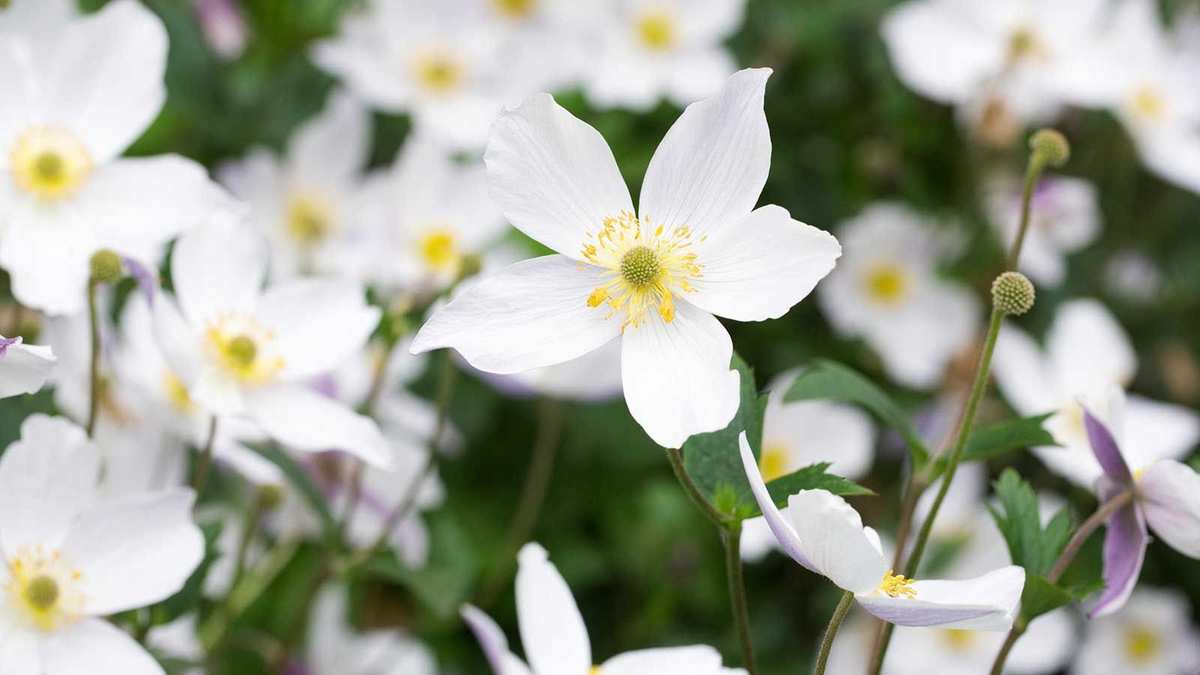
Though Scandinavia is far away, its landscapes can inspire your outdoor oasis. Selecting the right plants can help you achieve that unmistakable Nordic charm.
To capture the effortless beauty typical of Scandinavian gardens, focus on simplicity, texture, and hardy plants, advises a seasoned garden designer. Look for soft hues, a mix of structured and casual plantings, and resilient species that thrive even with minimal care.
Here are seven expert-recommended plants to create a Nordic-inspired atmosphere in your own garden. Whether you're aiming for a serene wellness corner or a complete backyard transformation, these selections deserve a spot on your list.
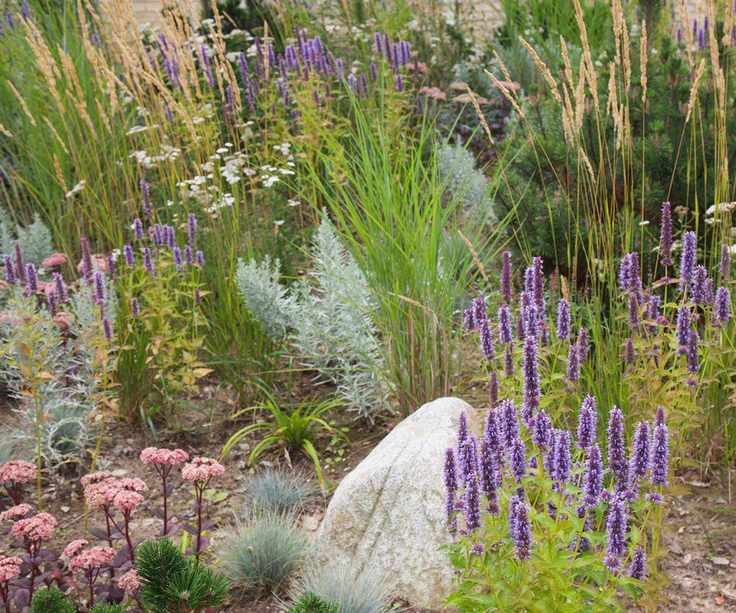
A naturalistic planting scheme from an experienced garden designer
1. Yarrow
The first plant to consider is Achillea millefolium, commonly known as common yarrow, which thrives in hardiness zones 3-9.
Yarrow is perfect for softening your garden's look, featuring feathery leaves and flat flower heads that add a wild charm without appearing untidy. It's incredibly robust—drought-resistant, low-maintenance, and great for attracting pollinators. Pair it with ornamental grasses for a breezy, organic vibe, use it in gravel gardens, or let it mingle with other perennials for a romantic touch.
Ensure it's planted in well-draining soil and receives ample sunlight. However, be cautious, as yarrow can be invasive in certain areas, so check local guidelines before planting.
Achillea millefolium 'Sunny Seduction' is available from Nature Hills.

2. Creeping Thyme
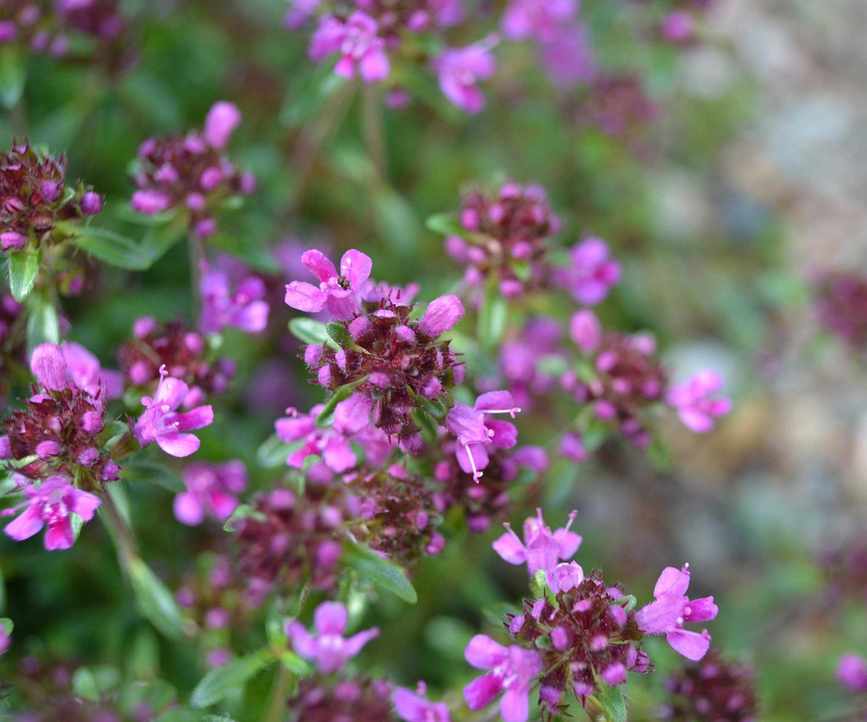
Enhance hardscapes with this fragrant ground cover
Another excellent choice is Thymus serpyllum, suitable for hardiness zones 4-9. This delightful ground cover is low-maintenance and produces a wonderful aroma. It flourishes in poor soil, requires minimal watering, and forms a natural carpet of tiny blossoms that attract bees.
Consider planting it between stepping stones for a fragrant walkway, letting it cascade over raised beds or rock gardens, or using it instead of grass in smaller areas for a sensory experience.
3. Birches
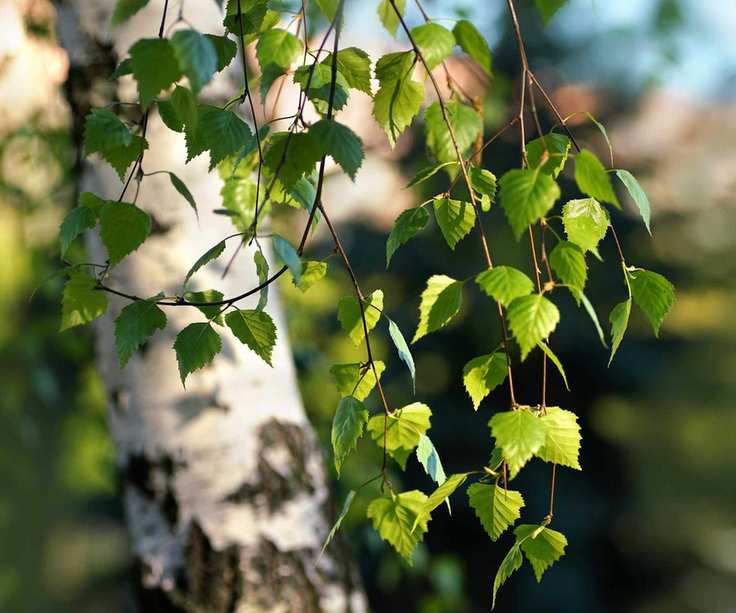
Birch trees add grace and elegance to your garden
The Betula genus, known as birch, includes deciduous trees and shrubs ideal for Nordic gardens, with many varieties thriving in the wild.
Swedish landscape designers admire birches for their slender, elegant forms and attractive bark that peels in layers, providing year-round interest. They can be planted alone or grouped to accentuate their striking white trunks.
Birches generally do well in hardiness zones 2-9 and prefer moist, well-drained soil. Make sure to prune during the dormant season. A variety of birch trees can be found at Nature Hills.

4. Water Avens
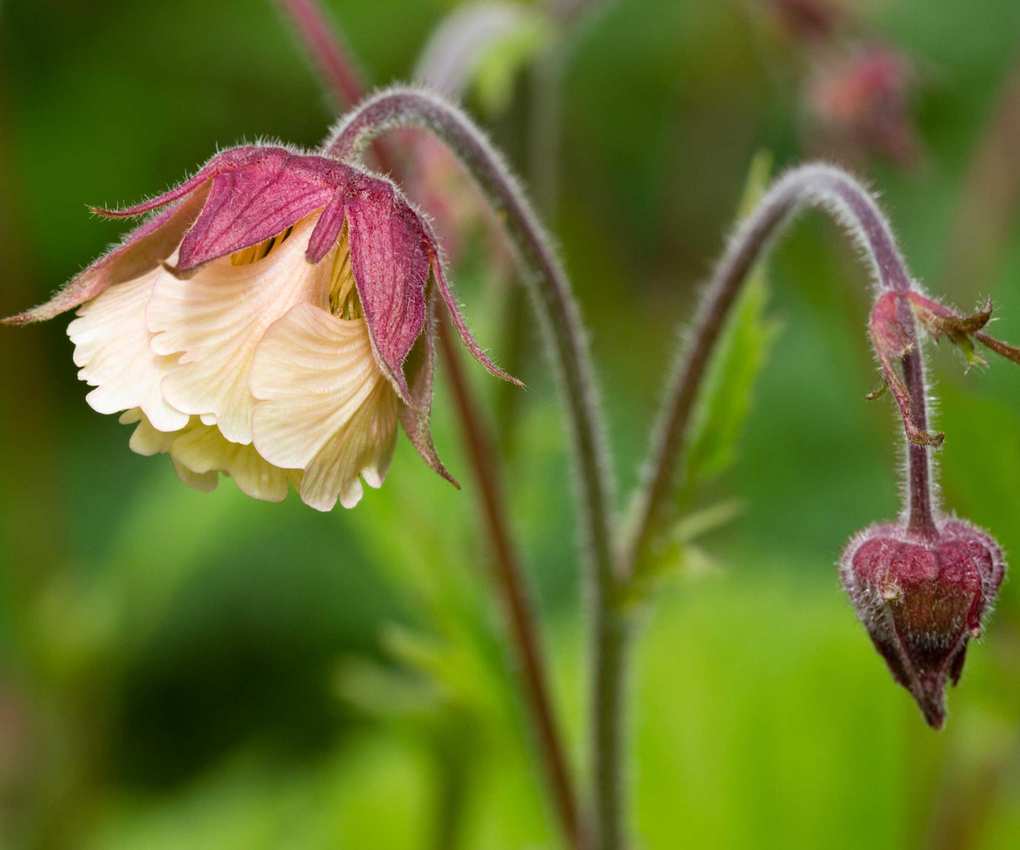
This charming perennial flourishes in shaded locations
Water avens (Geum rivale) is another fantastic option, thriving in hardiness zones 3-7. The flowers, which bloom in a lovely peach shade, are initially subtle but gradually reveal their beauty.
It's perfect for damp, shaded areas and can also thrive in sunnier spots. Consider planting near ponds or water features for a soft touch, or among ferns and shade-loving grasses to create a woodland atmosphere.
5. Anemones
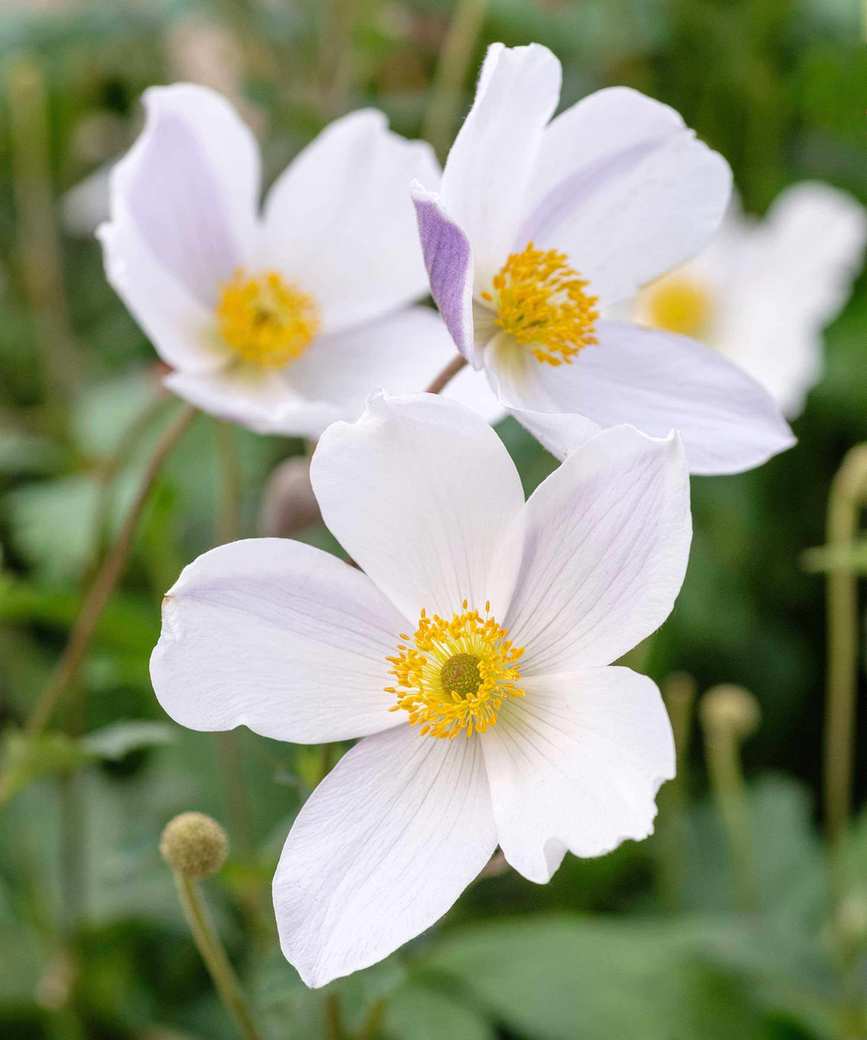
Anemone 'Wild Swan' blooms from spring through fall
Anemones exemplify 'Nordic simplicity' with their soft colors and delicate forms. Combining various types will yield flowers from spring to late autumn, supporting a diverse range of pollinators.
Depending on the species, they can be positioned in the front, middle, or back of borders. Examples include 'Wild Swan' available from Burpee and Anemone nemorosa, which carpets Nordic forest floors in spring.
Anemones are suited for hardiness zones 4-8 and thrive in partial shade with moist, well-drained soil. Like yarrow, some varieties may spread and could be invasive in certain regions.
6. Tufted Hair Grass
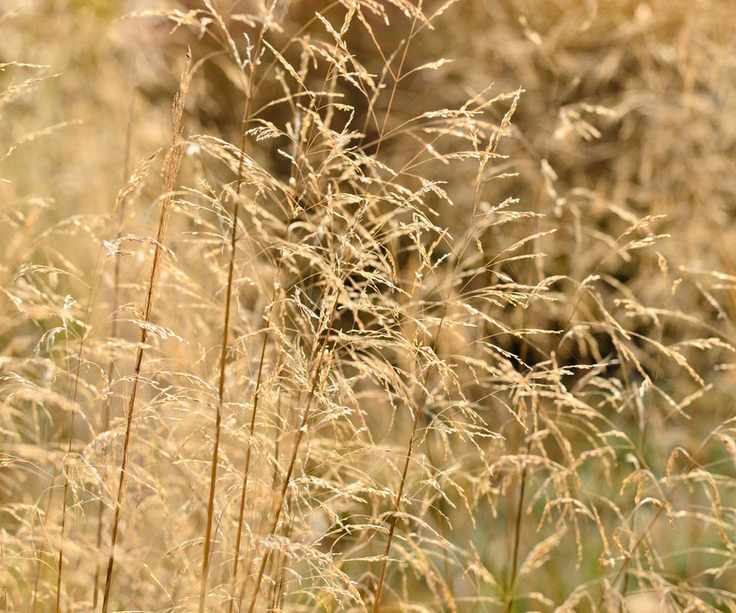
Ornamental grasses lend elegance and movement to your garden
For an ethereal effect, tufted hair grass (Deschampsia cespitosa) is essential. It forms soft mounds that catch the light beautifully, looking stunning in all seasons, especially with frost or sunlight.
Plant it in drifts for a meadow-like ambiance, combine it with wildflowers and perennials for contrast, or use it near paths to create movement.
Best suited for hardiness zones 4-9, it requires moist but well-drained soil and thrives in full sun to partial shade. Try Deschampsia cespitosa 'Northern Lights' from Nature Hills, a stunning variegated variety that displays pink hues in spring and fall.
Ornamental grasses are also suggested for a Scandi-style garden. They work well in masses for modern designs or as pauses in perennial arrangements, highlighting flowering plants.
7. Ferns
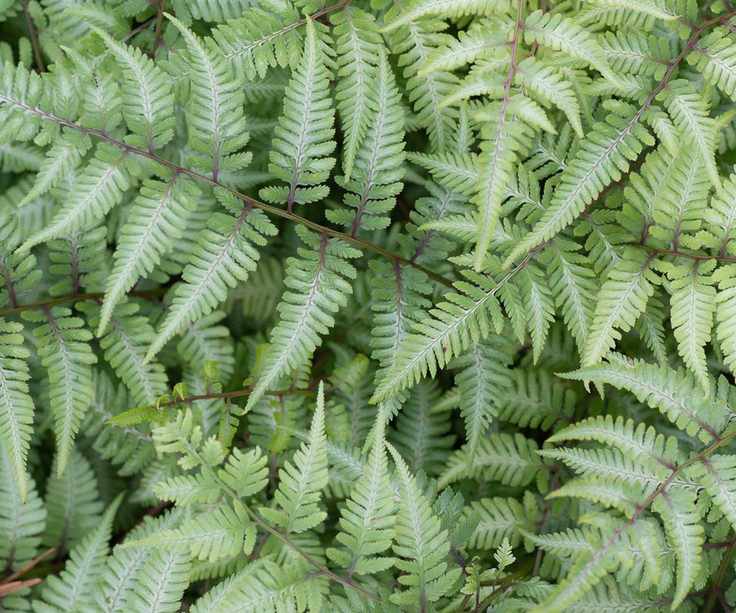
Japanese painted ferns boast striking colors
Ferns can bring the essence of the natural landscape into your garden. Their unique textures and vibrant greens evoke lush northern forests.
These plants thrive in conditions akin to woodland flora, requiring moisture and some shade. Different varieties have varying cold-hardiness. Many ferns are ideal for shaded gardens, which are increasingly important for the well-being of both people and wildlife.
Consider Polystichum braunii, Asplenium scolopendrium, or Athyrium niponicum (available from Nature Hills), known as the Japanese painted fern.
Combining Plants for a Scandi-Style Backyard
A Scandinavian garden focuses on naturalness, calmness, and a connection to nature. When selecting plants, aim for a blend of structure, soft textures, and wild beauty for balance.
Incorporating various heights will enhance the aesthetic. Also, consider a harmonious color scheme.
Creating a Scandinavian Vibe
Utilizing natural materials like gravel, wood, and stone can enhance this organic look. Emphasize materials that reveal their natural characteristics, such as rough-cut stones and heavy, textured wood.
The harmony between wild plantings and unrefined materials reflects the strength and beauty of nature, a core element of Scandinavian gardening.