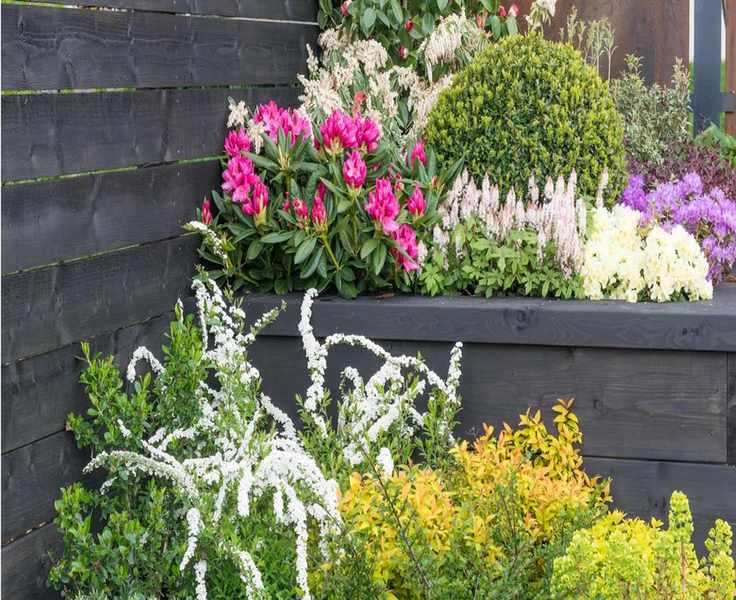
A vibrant flower bed can quickly lose its charm when bare spots disrupt the overall design. If you're dealing with gaps in your planting, filler plants can be the perfect solution to create a complete look.
No matter the flower bed concept you're aiming for, empty areas can be unavoidable in the early stages. Once your main flowers are in place and settling, it's time to incorporate additional plants to enrich the visual appeal.
Wondering where to begin? We consulted gardening specialists to identify the best filler plants to enhance your flower beds this spring and summer.
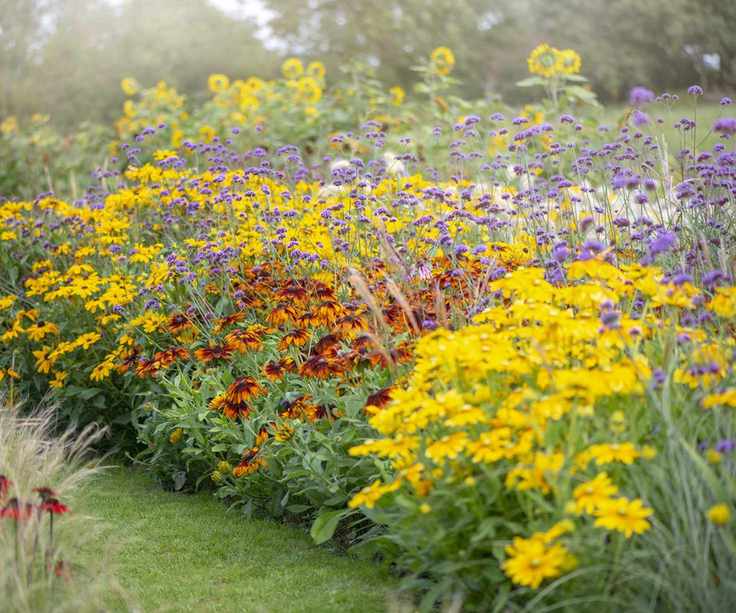
5 Beautiful Filler Plants for Flower Bed Gaps
When planting a flower bed, keep in mind the essential factors: color, height, and fullness. Achieving a lush appearance can be challenging, especially when starting with a new flower bed.
Fortunately, plenty of unique filler plants can add interest and color to your garden:
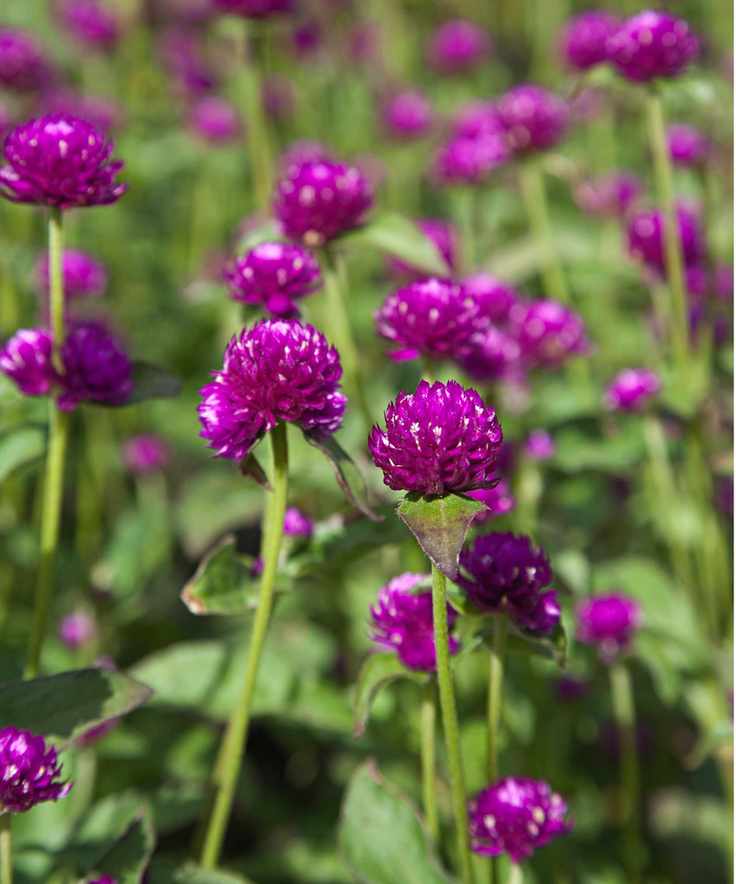
1. Gomphrena
- Hardiness: US hardiness zone 2 to zone 11
- Flowering time: Early summer to fall
- Best for: Spherical blooms
Gomphrena, also known as globe amaranth, features delightful pom-pom flowers in shades of pink, purple, orange, red, and white. You can cultivate them using these globe amaranth seeds from Amazon.
Garden designer Laura Janney states, "Gomphrena's gumball-shaped blooms add a whimsical touch to any garden. It's excellent for height and texture, quickly filling space. Shorter varieties can work as borders too." These flowers also make beautiful arrangements for drying indoors.
They thrive in various soil types, requiring well-draining conditions. Don't forget to deadhead for more blooms! To do this, use essential pruning tools, like these pruning shears from Amazon.

Laura is an award-winning landscape designer who aims to create spaces that nourish the soul. She shares her expertise through online courses.
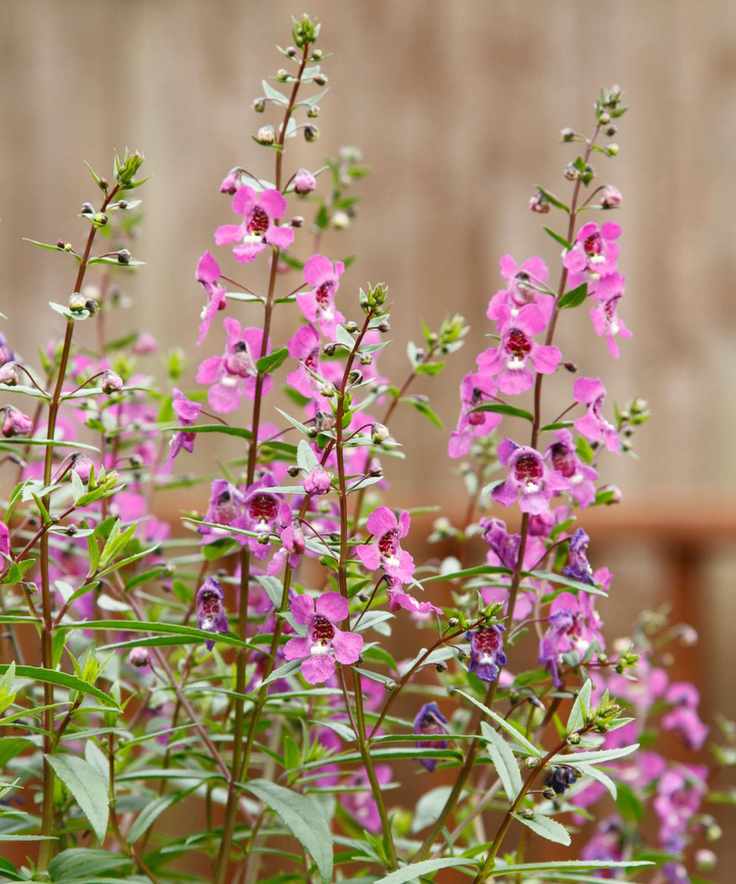
2. Angelonia
- Hardiness: US hardiness zone 9 to zone 11
- Flowering time: Late spring to early fall
- Best for: Colorful height
Angelonia offers spikes of delicate flowers, growing 12-24 inches tall and available in white, pink, purple, blue, and multiple combinations.
Laura describes it as a staple in gardens, bringing English cottage garden charm with its continuous summer blooms. Known as the 'Summer Snapdragon,' it's low-maintenance, heat-tolerant, and even deer-resistant.
Plant angelonia in sunny, well-draining soil, and keep deadheading for repeat blooms all summer. You can grow this angelonia seed mix from Walmart for a variety of colors.
3. Hardy Geranium
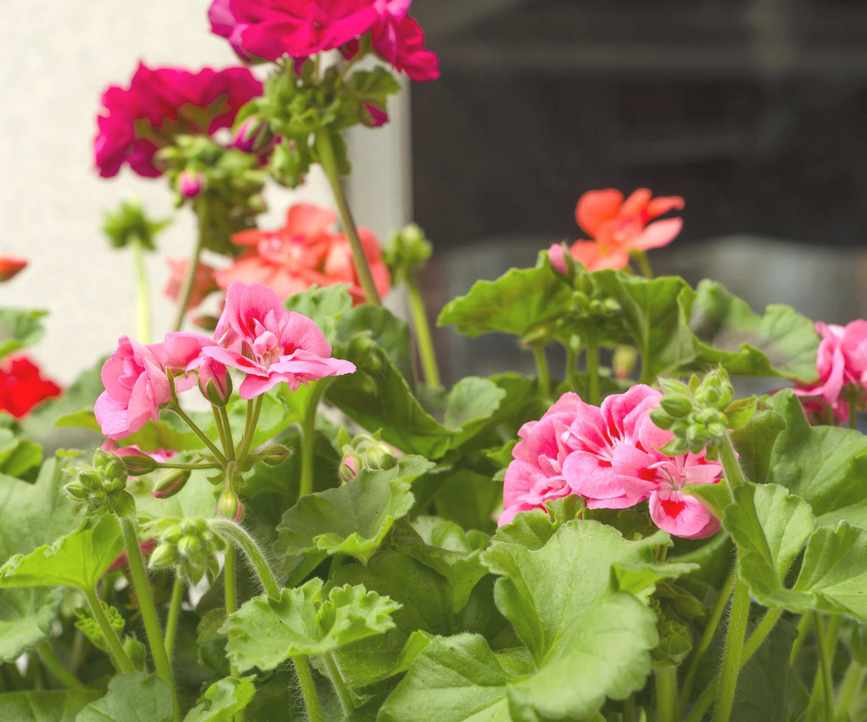
- Hardiness: US hardiness zone 4 to zone 8
- Flowering time: Late spring to early fall
- Best for: Clusters of blooms
No flower bed is complete without geraniums. They're a reliable filler choice, bringing vibrant colors and charming flowers.
Rachel Bull, a gardening editor, shares, "I always include geraniums in my flower beds. They grow in clusters, ideal for filling gaps, and their dense foliage adds coverage." Some hardy geraniums even have lovely scents, making them perfect for fragrant gardens.
Growing hardy geraniums is straightforward; they adapt well to various conditions and thrive in both sunny and partially shaded areas.
To maintain bloom quality, you can fertilize them in early spring using this all-purpose fertilizer from Amazon.
Check out geraniums available at Nature Hills.

Rachel is a gardening editor and floral designer with a deep passion for container gardening and wild planting.
4. Dusty Miller
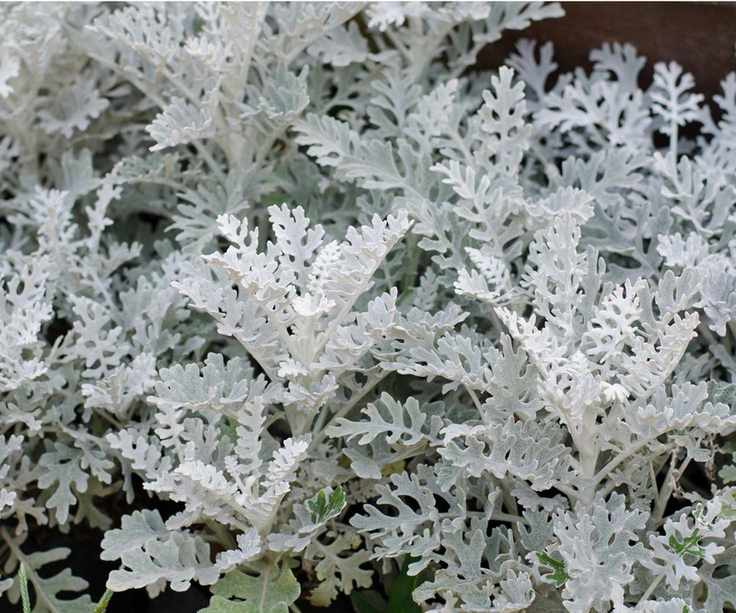
- Hardiness: US hardiness zone 7 to zone 10
- Flowering time: Mid-summer
- Best for: Unique foliage
To complement your existing flowers, consider filler plants like dusty miller, known for its distinctive foliage.
Rachel shares, "Dusty miller has an appealing dusty appearance. When placed among colorful blooms, it creates a striking display." These plants also produce delicate yellow flowers in mid-summer, thriving in sunny conditions.
You can find dusty miller starter plants at Walmart.
5. Lobelia

- Hardiness: US hardiness zone 9 to zone 11
- Flowering time: Spring to fall
- Best for: Dense coverage
For a quick fix to cover bare patches, lobelia is an excellent choice. Its small, vibrant blooms quickly fill in gaps with their spreading growth.
Lobelia is also a fantastic addition to flowering living walls, providing ample coverage. Available in blue, pink, white, and more, it enhances various planting schemes and attracts hummingbirds with its nectar-rich flowers.
Ensure lobelia remains consistently moist to prevent wilting leaves and flowers.
Discover lobelia plants at Nature Hills.
Best Time to Plant Bedding Plants
The ideal time to plant bedding plants is mid-spring to June, ensuring the risk of late frost has passed and temperatures are warm enough for roots to establish. Remember to water thoroughly after planting to help them settle in.
These are just a few filler plants to consider for your flower beds. Explore edimentals vs. bedding plants, or use them in a thriller, filler, spiller container arrangement for a stunning effect.