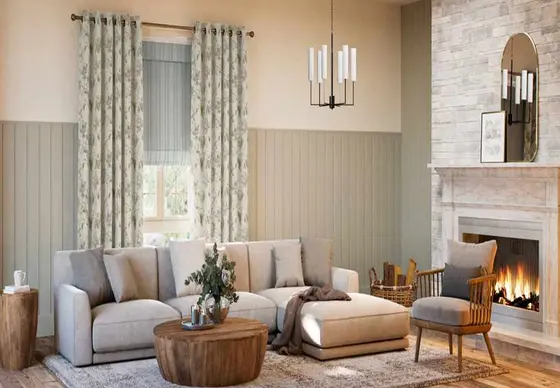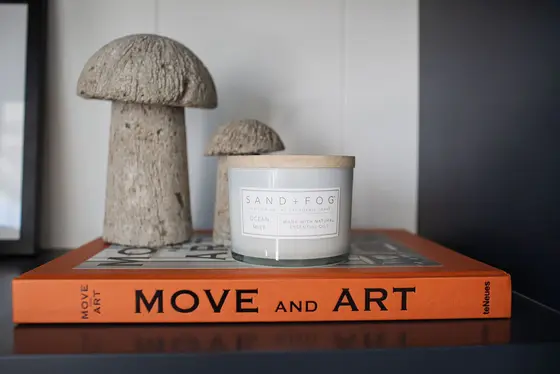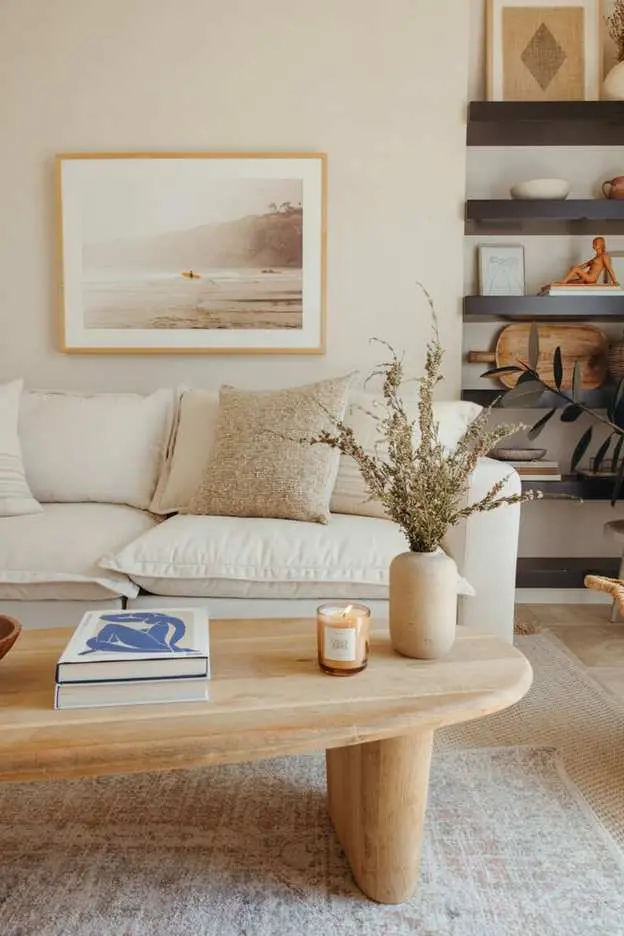
Stepping into a thoughtfully arranged space brings a unique sense of tranquility. It's not solely about looks; the energy in a room can deeply impact your well-being. Conversely, some environments may leave you feeling uneasy without any obvious reason. The atmosphere you inhabit plays a crucial role in your mood, making it essential to design your home with intention, including the principles of feng shui.
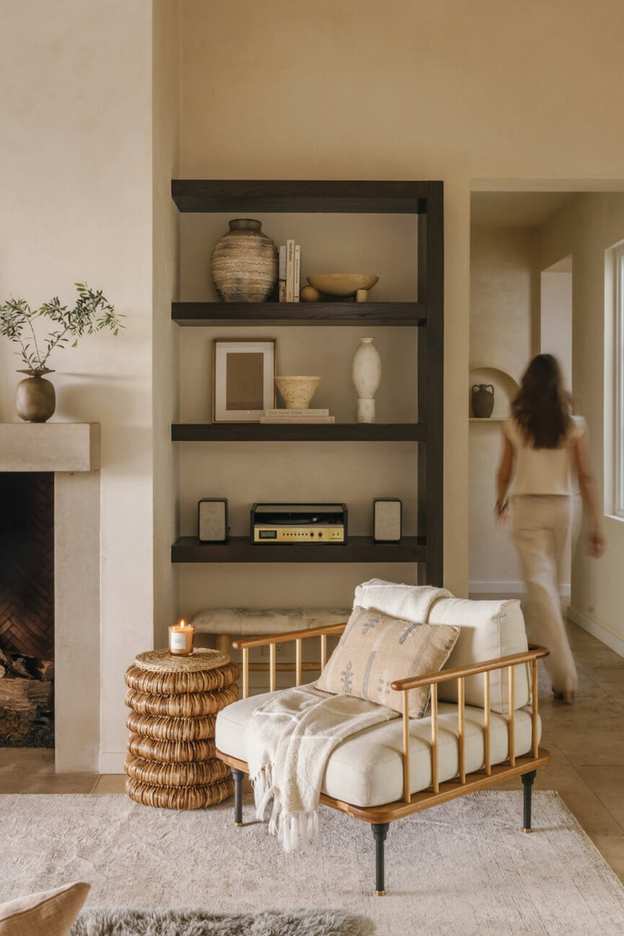
Feng Shui Interior Design: 6 Simple Tips for Harmonious Spaces
Feng shui is an ancient practice focused on arranging spaces to cultivate peace and balance. The environments we occupy affect our emotions and stress levels, even influencing our sleep. Who wouldn’t prefer a home that radiates joy? Feng shui is less about trendy decor and more about the flow of energy.
Fortunately, you can enhance your space's tranquility without a hefty budget. Whether your aim is to foster calm, ignite creativity, or build connections, your home can create the right atmosphere. These straightforward feng shui principles will help you achieve balance and beauty in your surroundings—starting now.
Refresh Your Entryway
Your front door significantly influences the energy entering your home. As the first area you encounter upon arrival, it also welcomes visitors. In feng shui, this space is known as the “mouth of chi,” the primary channel for positive energy. Keep your entryway clutter-free, well-lit, and inviting. Consider adding decorative touches like plants or artwork to create a pleasant first impression.
Declutter Your Space
Clutter obstructs energy flow in feng shui. Disorganized items can disrupt the calmness of an otherwise neat area, leading to stress. Identify clutter hotspots in your home and take the initiative to tidy up, particularly in frequently used spaces. Storing items out of sight in closets or drawers can also lighten your mental load.
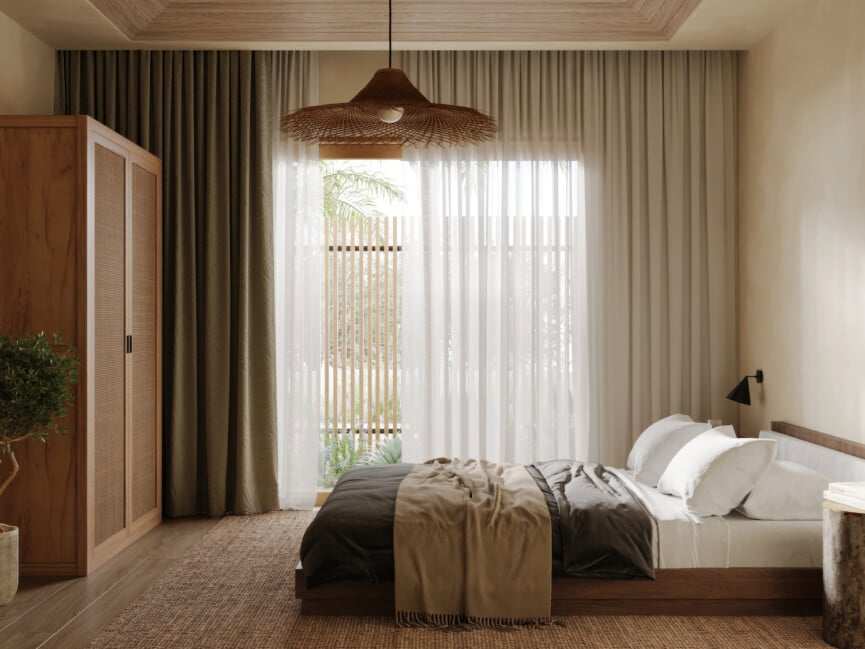
Incorporate the Five Elements
During a design class I attended, one powerful concept stuck with me: feng shui emphasizes balancing five natural elements—wood, fire, earth, metal, and water. Each element should be represented in a room to create a sense of equilibrium. Here’s how to include them:
- Wood: greenery, wooden furnishings, shades of green
- Fire: candles, fireplaces, warm hues
- Earth: clay, terracotta, earthy tones
- Metal: metallic accents, shades of white or gray
- Water: fountains, mirrors, deep blues
When these elements are thoughtfully arranged, they foster harmony and prevent the space from feeling stagnant. A fun way to experiment is to style a shelf featuring all five elements. If something feels off, assess which element might be missing!
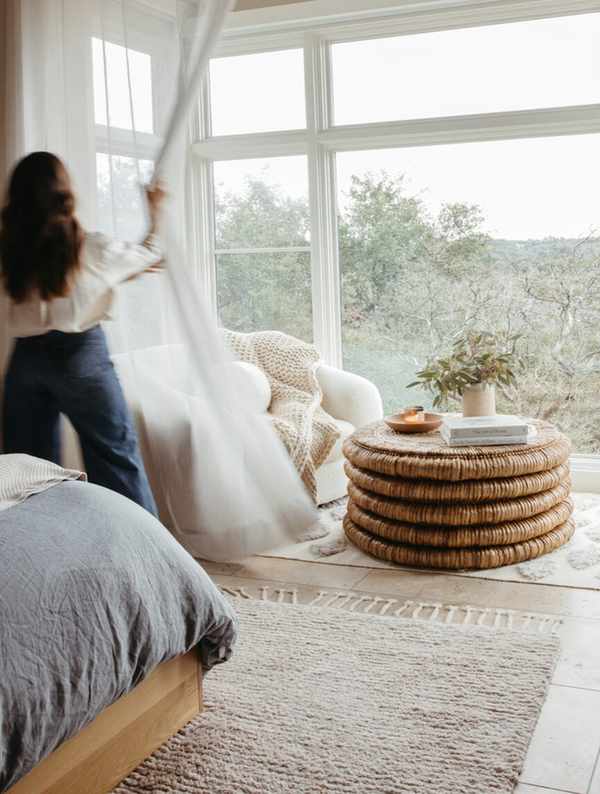
Invite Fresh Air and Light
Feng shui promotes the free flow of energy through fresh air and sunlight. Open your windows to let in natural light and consider adding plants—they purify the air! If natural light is limited, warm bulbs in lamps can create a cozy ambiance, mimicking the outside light and helping your home feel more connected to nature.
Position Mirrors Thoughtfully
Mirrors hold significant power in feng shui. They can amplify whatever they reflect, so ensure they showcase something beautiful. Avoid placing mirrors in cluttered areas (as they will reflect the chaos) or facing the bed (which can be unsettling). Instead, let them reflect uplifting views or art to enhance the positive energy in your space.
Optimize Your Layout
Feng shui is all about creating a smooth flow in your rooms. Paths should be clear, enabling easy movement without obstacles. This can be challenging in smaller areas—opt for appropriately sized furniture to avoid a cramped feeling that can generate tension.
Arranging key furniture pieces, like your living room sofa or bedroom bed, is vital.
Key Feng Shui Considerations:
- Position your bed so you can see the door while resting, ideally at an angle across the room. In feng shui, feet pointing directly at the door can be draining, so avoid having your bed directly in line with it. A headboard against a wall adds stability, promoting restful sleep.
- For your living room, arrange the sofa to face both the entrance and something pleasant, such as a window or artwork. This setup balances awareness and enjoyment, ensuring you can see who enters.
- If you work from home, position your desk to face the door, avoiding a wall. This setup symbolizes openness to new opportunities. If a wall is unavoidable, adding a vision board can provide inspiration.
Feng shui is about creating a home that complements your desired lifestyle. When your environment feels intentional and balanced, your home becomes a partner in your well-being.
This post was last updated on September 15, 2025, to include new insights.
30 Simple Delights to Add to Your June Calendar