Biennials are beloved garden plants, and summer is the ideal season to start planting them.
They're straightforward to cultivate and often bloom beautifully, filling the gap between the vibrant spring bulbs and the exuberance of summer flowers.
Seeds can be sown directly, making them a cost-effective option for adding summer brightness to your garden.
Defining Biennials
Plants are categorized based on their growth cycles.
An annual completes its life cycle—growing, flowering, seeding, and dying—in just one year; notable examples include marigolds, sweet peas, sunflowers, and various annual poppies, Spanish flag, and zinnias, which are among our top ten annual blooms.
Perennials are garden staples that return each year, like canna lilies, roses, and bulbous or tuberous plants that maintain color well into late summer and autumn.
Biennials have a two-year growth cycle. After sowing, they develop leaves and roots, go dormant in winter, then sprout again in spring to flower, seed, and die off in the fall.
Sown in trays or modules during summer, they can be planted in the garden by fall for a stunning display the following year. Alternatively, keep them in pots over winter and transplant them in spring.
Popular Biennial Flowers
Many cherished flowers in our gardens are biennials. They're simple to grow and generally low-maintenance.
Beautiful varieties include:
- Some types of black-eyed Susan, like Rudbeckia hirta 'Indian Summer', 'Moreno', and 'Cherokee Sunset'.
- Aquilegia
- California poppies
- Iceland poppies
- Honesty
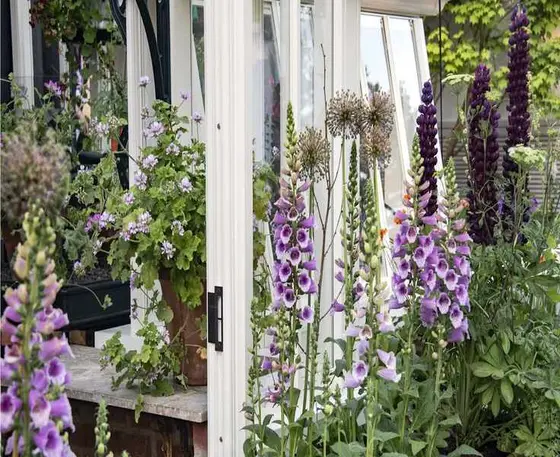
- Foxgloves
- Hollyhocks

Iceland poppies (Papaver nudicaule) are a popular biennial variety
Sowing Biennials
Biennials can be sown in pots or directly in garden soil.
Sowing in the Ground
- Start by preparing the soil, raking it to a fine texture and watering it.
- Sprinkle seeds evenly over the soil, then cover with a light layer of soil.
- Firm the soil gently with a rake.
- Label the area to prevent disturbance.
- Keep the soil moist during dry periods, but avoid waterlogging.
- Thin seedlings if they grow too closely together.

Sowing honesty seeds directly into the soil
Sowing in Pots
Sowing in seed trays or modules can reduce the risks of germination and growth.
Seedlings can remain protected from pests and harsh weather, and once they grow sufficiently, they can be moved into larger pots and kept in a greenhouse until spring planting.
- Fill a seed tray with fresh potting soil, like this Espoma Organic Seed Starter found on Amazon.
- Dampen the soil with tap water (avoid using rainwater).
- Evenly scatter biennial seeds over the soil surface.
- Cover them with a bit more potting soil or vermiculite from Amazon, and label accordingly.
- Cover with a lid to keep moisture, placing in a warm, light area.
- Once seedlings appear, remove the lid, thin overcrowded plants, and keep the compost damp.

Sowing hollyhock seeds into a potting tray
Potting Up Seedlings
Once seedlings have sprouted and developed their initial true leaves, they can be transferred to individual pots.
They require more space and nutrient-rich soil, but it shouldn't be too strong, as it may harm the developing roots.
For larger seedlings, a multipurpose potting mix works well; smaller seedlings may benefit from a blend diluted with seed-starting soil.
Potting up is manageable:
- Fill three pots with seedling soil and create a hole in each.
- Gently lift each root ball using a spoon or label, supporting it by a leaf.
- Place the root into the hole, firming the soil around it.
- Put the pots in a water tray to hydrate the soil.
- Keep seedlings in a sheltered spot, like a cold frame or unheated greenhouse, such as this Worth mini greenhouse available on Amazon.
- Maintain moisture but avoid saturation, planting biennials in the fall or overwintering in a greenhouse in colder climates.

Pot seedlings once they show their true leaves
Harvesting Biennial Seeds
One economical gardening practice is collecting seeds from your garden.
Seeds are generally ready for harvest around two months post-flowering. Avoid picking them while they're green, as they won't germinate. Look for color changes in the pods, indicating ripeness.
Harvest before the pods open, checking daily to ensure you don't miss them, and select seeds from healthy plants.
Collect on dry days to prevent rot or fungal issues. You can shake seeds into a container or let seed heads dry on paper in a warm place.
If pods don't open, gently crush them to release seeds.
Store seeds cool and dry in labeled containers.

Harvest aquilegia seeds when the seed heads are mature
Most biennials thrive when sown in soil or pots, with honesty being the exception.
Honesty seedlings establish deep roots early and are sensitive to transplanting. For indoor starts, transplant them outdoors as soon as possible for the best chance of survival.