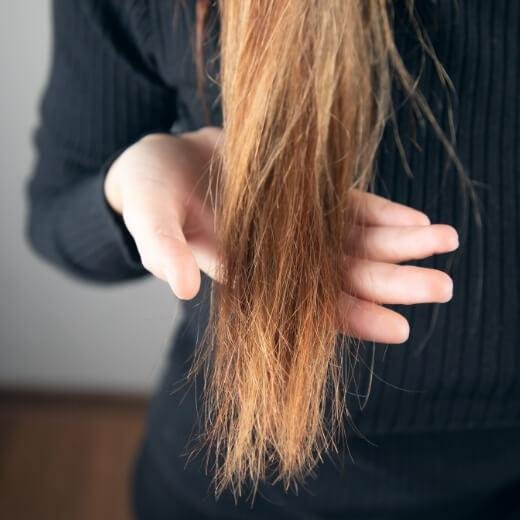
Frizz can be a frustrating issue for anyone aiming for beautiful hair. While weather can contribute, persistent frizz, brittleness, or breakage often signals underlying damage. Don't worry; it's common and usually stems from everyday habits you might not recognize as harmful. Let's explore typical causes of hair damage and, importantly, how to address them.
Typical Causes of Hair Damage
No one's hair is flawless; most experience some damage from various factors, often unnoticed. Here are frequent culprits behind hair deterioration and breakage.
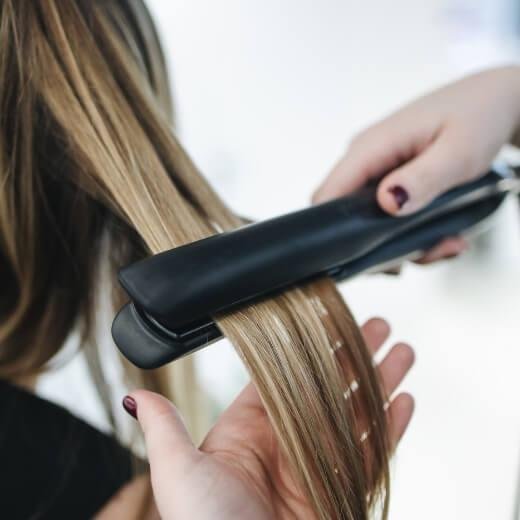
Heat Exposure
This is a well-known issue: heat can harm your hair, especially with frequent use. Think curling irons, straighteners, blow dryers, and hot rollers—stylish tools that can make you look fantastic but may cause long-term damage.
Poor Hair Care Practices
Everyday mistakes in hair care can accumulate over time. For example:
- Massaging shampoo into the entire length of your hair (focus on the scalp instead)
- Vigorously rubbing your hair with a towel after washing
- Brushing wet hair (it's more prone to breakage when damp)
These seemingly harmless habits can lead to significant damage if done repeatedly.
Excessive or Incorrect Treatments
While salon makeovers can be exciting, improper application or insufficient recovery time between treatments can severely damage hair. This includes chemical processes like bleaching, relaxers, and perms, as well as at-home box colors. Even non-chemical treatments like weaves and extensions can cause issues if not handled correctly. Enjoying vibrant colors and styles is possible, but prioritize professional guidance and appropriate aftercare.
Exposure to Other Chemicals
Besides hair treatments, other chemicals can also inflict damage, particularly with repeated exposure. Pool chemicals are a common example, alongside potent at-home products like strong hairspray.
Nutritional Deficiencies
Your body requires specific vitamins and minerals to produce healthy hair. A balanced diet ensures your hair receives essential nutrients for strength and resilience. Key nutrients include protein, biotin, vitamin D, omega-3 fatty acids, iron, and zinc.
Ways to Repair Hair Damage
Now that you're aware of potential causes, let's discuss solutions. Thankfully, reversing hair damage is often as simple as changing some habits.

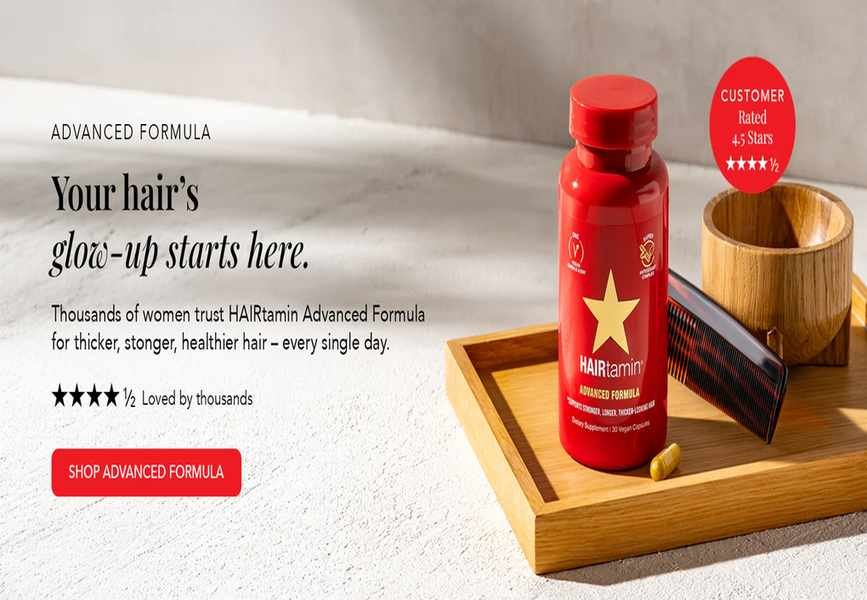
Consider a Hair Supplement
Supplements designed for hair health can be beneficial. They fall into two categories: nutritional supplements providing essential vitamins and minerals missing from your diet, and those like Nutrafol, which contain ingredients specifically aimed at enhancing hair growth and health.
Reevaluate Your Hair Care Routines
As noted earlier, some common practices can harm your hair, and you can adjust these today. Change how you apply shampoo and switch to patting your hair dry with a towel instead of rubbing it. Consult your hairstylist for advice on maintaining healthy hair treatments.
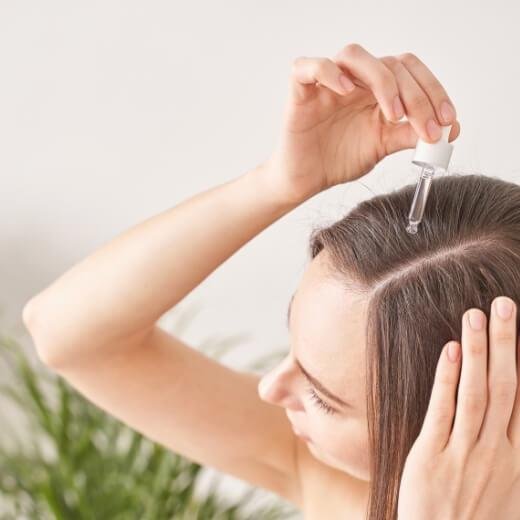
Utilize Restorative Products
Just like supplements, topical products can rejuvenate your hair. For instance, Olaplex No. 3 is a popular at-home treatment that restores vitality to damaged hair. Hair masks and specialized conditioners can also provide significant benefits.
Repairing hair damage may require time, but with the right modifications and products, it's achievable. You don't have to wait for damaged hair to grow out or opt for a drastic cut. Simple changes and new products might be all it takes to restore your hair's health and beauty.