
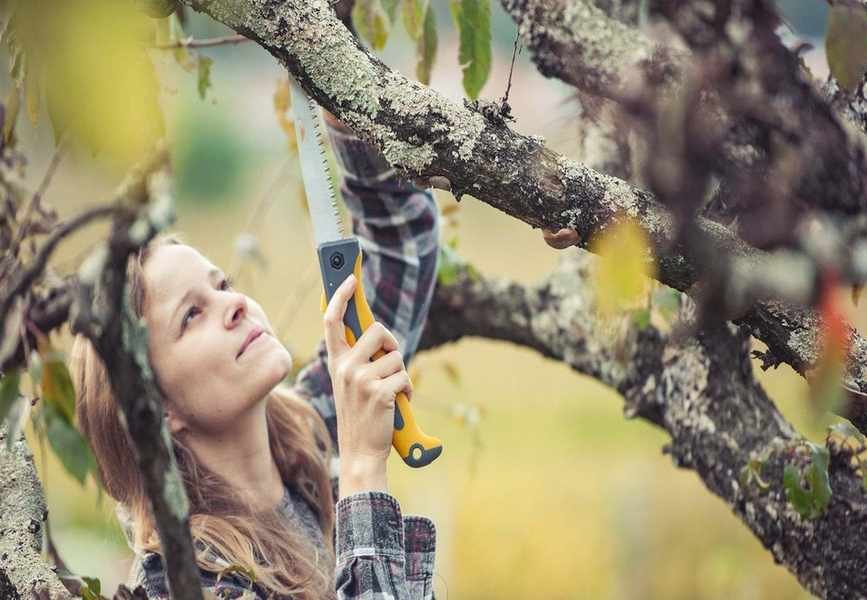
A pruning saw is an essential tool for any gardener, especially during the fall and early winter, which marks the peak of pruning season.
These lightweight saws excel at cutting through wood that is too thick for shears yet too thin for larger saws like bow saws or chainsaws.
I regularly use two pruning saws that are excellent for cutting away dead branches. Their narrow blades easily navigate tight spaces between trunks and branches.
If you're uncertain about how to use a pruning saw or why it's a necessary addition to your gardening toolkit, keep reading for important tips.
What is a Pruning Saw?
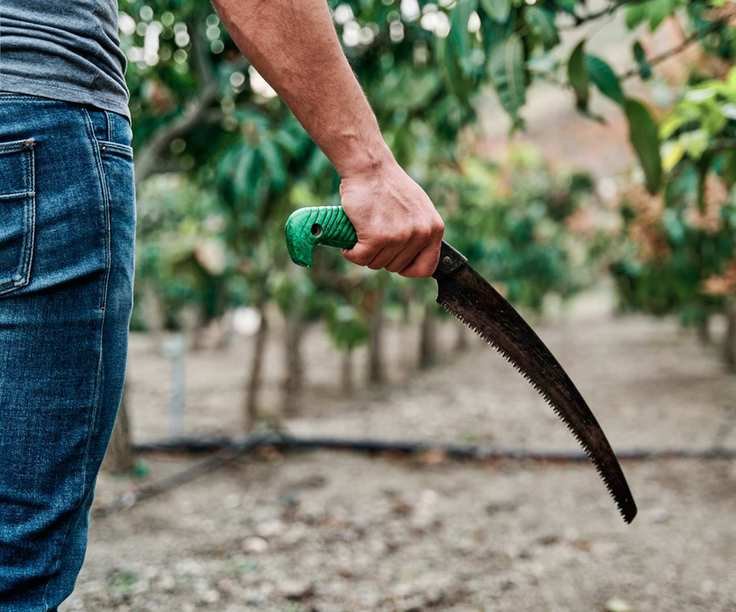
Pruning saws, also called saw pruners, feature a single blade meant for cutting wood approximately 2 inches in diameter.
While they're designed for one-handed use, they are better suited for tougher tasks compared to standard pruners and are lighter than bow saws or chainsaws.
These saws are budget-friendly and come with either straight or curved blades. Many can fold into the handle or include a safety holster. They feature comfortable grips and sharp, toothed blades for efficient cutting through wood and even hard plastics.
Typically, straight blades work best for branches at waist to shoulder height, while curved blades are more effective for cuts that are higher or lower.
As a rule of thumb, longer blades can handle thicker wood, although the blade's quality and sharpness play significant roles.
My favorites include a Fiskars SW75, which features a retractable long blade, and a compact Wilkinson Sword folding pruning saw that's perfect for slipping into pockets.
Two Main Uses for Pruning Saws
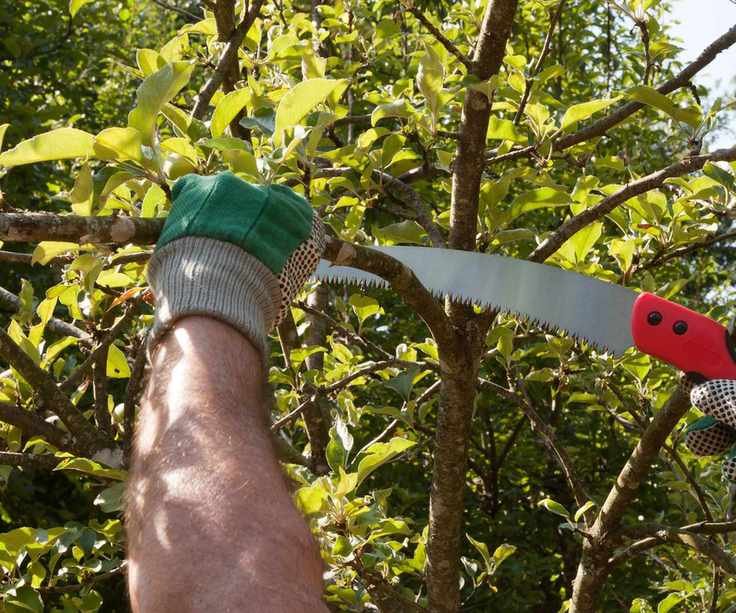
Your pruning saw is most effective for two primary tasks: cutting horizontal branches and trimming vertical branches.
To remove or shorten a branch, always begin at the top. Start by placing the saw blade against the wood and pulling it towards you in a steady motion while applying downward pressure. This creates a groove for easier cutting.
Once the groove is established, saw back and forth, cutting deeper each time. Apply pressure on both the push and pull strokes to prevent clogging.
If the saw becomes stuck, gently press down on the branch's outer end to open the pruning groove for better blade movement.
Never cut branches flush against the trunk; instead, leave a small section to form a protective collar during healing.
While pruning, follow the one-third pruning rule to minimize damage to your plants.
Trimming vertical branches can be trickier, but pruning saws are ideal for this task thanks to their design, which allows for precise cuts in tight areas.
Start by positioning the blade on the upper side of the branch, slightly away from the trunk, and pull it towards you. Push through the created groove and repeat until you cut through.
Safe Usage of Pruning Saws
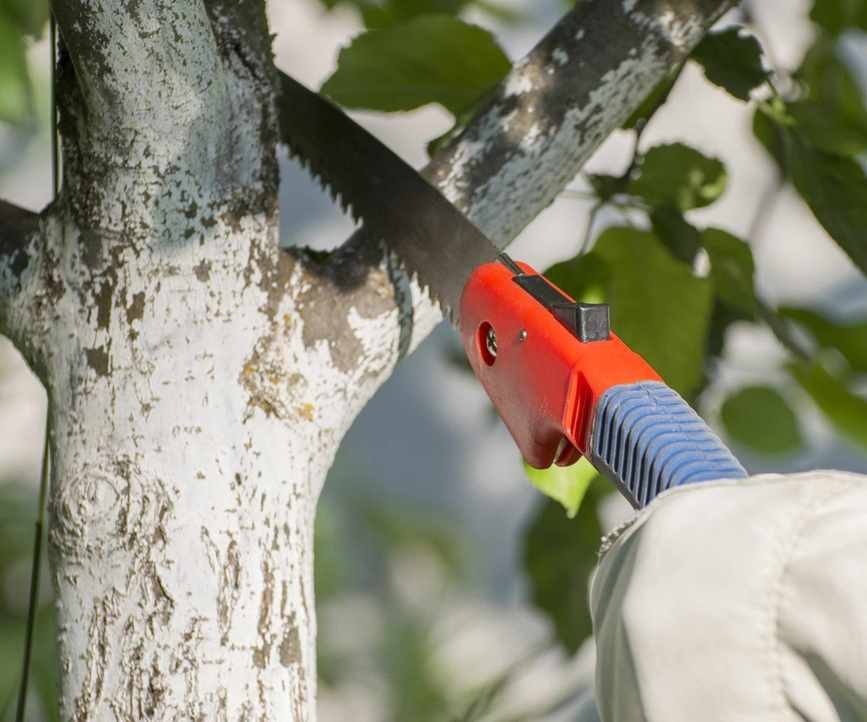
Keep these recommendations in mind to ensure safe handling of your pruning saw:
- Check the blade's sharpness and cleanliness before use; clogged teeth can hinder performance.
- Rusty tools can harm both plants and yourself. If you find rust, refer to our guide on cleaning pruning shears to maintain your tools.
- Wear protective gear, including durable gloves, goggles, and a hard hat when working with high or hard-to-reach branches.
- When possible, cut from above for better leverage and safety, especially with larger branches.
- If using a ladder, ensure it's stable and secured.
- After use, clean and oil the blades, then fold and store them safely, away from children's reach.
- If a pruning task seems too large or risky, consider hiring a qualified professional.
Explore Pruning Saws
Fiskars Large Handsaw
This saw features a non-slip handle for a secure grip while cutting and includes a clip for easy attachment to a belt.
ARS Pruning Folding Turbocut Saw
Crafted from hard chrome-plated steel, this blade offers superior toughness and rust resistance while folding into the handle for safe storage.
Silky Professional SUGOI Saw
Equipped with a precision-ground blade and four cutting angles, this saw delivers fast and smooth cutting performance.
FAQs
Which Pruning Saw is Right for Me?
Consider these factors when selecting the ideal pruning saw:
Comfort: Most pruning saws are lightweight and designed for one-handed use with ergonomic handles for a comfortable grip.
Blade Quality: Look for high-quality carbon steel blades with sharp teeth. Many models offer replacement blades or come with a guarantee.
Storage: If space is limited, choose a folding saw or one that retracts into the handle for convenient storage.
Once your pruning tasks are complete for the season, it's essential to know how to store your garden tools properly for winter to keep them in great shape for spring.


