

If you grew up in the U.S., the catchy Got Milk? ads likely made an impression. As a child of the 90s, I drank my fair share of milk, believing it was the best source of calcium. Today, we know better. Many plant-based foods also provide calcium. While the iconic Got Milk? campaign touted dairy as essential, research shows non-dairy options can be just as beneficial. Unsure if you're meeting your calcium needs? We've compiled a list of the top calcium supplements for women.

What Is Calcium?
Calcium is a crucial mineral, the most abundant mineral in our bodies. It's vital for various bodily functions, including bone health. Because our bodies don't produce it, we must obtain calcium from food or supplements. Like vitamin D, calcium is essential for developing and maintaining strong bones.
Calcium works closely with vitamin D, which aids in its absorption. Adequate levels of both nutrients are important for overall health. In addition to supporting bones, calcium plays a role in numerous metabolic processes, linking it to the skeletal system.

Why Calcium Is Important
Calcium is essential for developing and sustaining bone structure and function. It also supports cardiovascular health, muscle function, and nervous system signaling. From birth, we acquire calcium through diet or supplements, with 99% stored in our bones, acting as a reservoir for when our bodies require it.
Calcium is vital for many organs, and research indicates that it, along with vitamin D, may offer additional health benefits, such as reducing risks of certain cancers, diabetes, and hypertension. Maintaining adequate calcium intake is crucial, and supplements can be beneficial when dietary sources are insufficient.

3 Facts About Calcium
- Most calcium in our bodies—99%—is in our bones, but it also strengthens teeth. Calcium compounds protect enamel from erosion, decay, and sensitivity.
- We lose calcium daily through skin, hair, nails, sweat, urine, and feces, making it essential to replenish through diet or supplements.
- Calcium is abundant; the average human contains about 1 kg, but it's also the fifth most prevalent element in the earth's crust, primarily found as calcium carbonate.
How Much Calcium Do You Need?
Research indicates that many Americans, including children, adolescents, and adults—especially women over 50—do not get enough calcium. Adults aged 19-50 should aim for 1,000 mg daily, while those over 51 need at least 1,200 mg. The upper limit for adults aged 19-50 is 2,500 mg. Most calcium supplements provide at least 1,000 mg, but consult your physician before altering your supplement regimen.

Risks of Excess Calcium
Can you have too much calcium? Yes, unlike vitamin B12. While essential for bone and muscle function, excess calcium can lead to issues such as constipation, kidney stones, and cognitive impairments. Consult with your doctor to determine the right dosage when selecting a calcium supplement.
Consequences of Low Calcium Intake
If you don't consume enough calcium (and vitamin D), your body will draw calcium from bones, leading to weakened bone density. This can increase the risk of osteoporosis. Low calcium intake can also result in conditions like osteopenia and hypocalcemia. Since bone density peaks around age 35, it's crucial to build calcium stores early. Children who lack sufficient calcium may not achieve their optimal height.

Calcium Deficiency Symptoms
In early stages, calcium deficiency may not present noticeable symptoms. As it progresses, however, you might experience disorders like memory loss, muscle cramps, tingling sensations, brittle nails, and increased bone fragility.
Testing for Low Calcium
If you suspect a calcium deficiency or want to get tested, your doctor will analyze your blood calcium levels, including total calcium, albumin, and ionized calcium. If levels are low, you can boost calcium through food and supplements.
9 Calcium-Rich Foods
Looking to enhance your diet with calcium? You don't need to go for superfoods. Just include a range of plant and animal-based foods to naturally boost your calcium intake. Here are some top sources:
- Collard greens: An 8-oz serving provides 360 mg of calcium. Try them cooked with ghee or coconut oil.
- Kale: An 8-oz serving gives you 180 mg of calcium. Add it to smoothies or massage with olive oil for a tasty salad.
- Soybeans: One cup has 175 mg of calcium. Great in stir-fries or steamed with a sprinkle of sea salt.
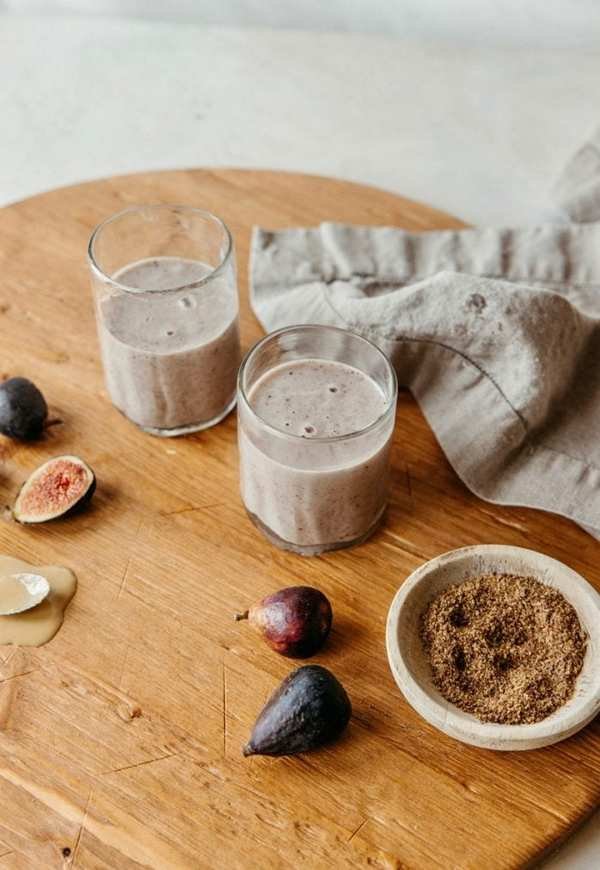
- Figs: Two dried figs offer 65 mg of calcium—perfect as a quick snack.
- Sardines: A 3-oz serving contains 325 mg of calcium. Enjoy them on toast or in pasta dishes.
- Ricotta cheese: A 4-oz serving has 335 mg of calcium. Delicious in desserts or lasagna.
- Plain yogurt: A 6-oz serving provides 310 mg of calcium and is versatile for breakfast or as a sour cream substitute.
- Poppy seeds: One tablespoon (9 grams) packs 126 mg of calcium. Consider baking them into lemon poppy seed bread.
- White beans: One cup contains about 180 mg of calcium, perfect tossed with garlic and olive oil.

Should You Take a Calcium Supplement?
Consult your doctor, but if your diet lacks sufficient calcium, a supplement may be necessary. We've rounded up the top calcium supplements for women in 2021.
Choosing the Right Calcium Supplement
Key ingredients to look for in a calcium supplement include:
Vitamin K2: This nutrient helps ensure calcium is absorbed into bones instead of arteries. Opt for a clinically supported version of vitamin K2.
Vitamin D3: Essential for calcium absorption and proper mineral deposition in bones.
Calcium Hydroxyapatite: This form of calcium is easily absorbable and constitutes bone structure, unlike calcium citrate or carbonate.
Cissus Quadrangularis: An herbal supplement used traditionally in Africa and Asia for bone health.

Top Calcium Supplements for Women
1MD Nutrition OsteoMD
This formula combines four essential nutrients for strong bones, featuring Calzbone® and MenaQ7™, two patented components for optimal support.
Thorne Basic Bone Nutrients
This supplement features four researched nutrients essential for bone health, including optimally-absorbed vitamin D3 without preservatives or lactose.
Essential Elements Bone Boost
This supplement contains clinically recommended amounts of calcium hydroxyapatite, vitamin D3, and K2, enhancing bioavailability for better calcium absorption.
New Chapter Bone Strength Take Care
This organic supplement includes vitamin D3 and K2, promoting bone, joint, and heart health while minimizing osteoporosis risk.
New Chapter Bone Strength Take Care
AlgaeCal AlgaeCal Plus
This supplement provides all 13 essential minerals needed for bone health, including magnesium and zinc, along with vitamins D3, K2, and C for better absorption.
Pure Synergy Bone Renewal
This unique three-part formula includes plant-based nutrients and trace minerals, supporting mobility and bone density without synthetic ingredients.
Pure Encapsulations Calcium (Citrate)
This supplement is free from common allergens and additives, supporting bone and colon health with highly bioavailable calcium from trusted sources.
Pure Encapsulations Calcium (Citrate)
Garden of Life Dr. Formulated Stronger Bones
This supplement enhances calcium absorption and reduces osteoporosis risk, featuring ESC® Organic Eggshell Calcium for optimal bioavailability.
Garden of Life Dr. Formulated Stronger Bones
30 Simple Delights to Add to Your June Calendar


