Move over, misconceptions. Plant-based protein is now a reality, not just a fad. Forget the myths about protein shortages—it's entirely feasible to obtain ample protein from a plant-based diet. With a rich variety of grains, legumes, fruits, and vegetables, thriving on plants is just a shopping trip away. As we head into 2024, let's dispel nutrition myths and equip you with the knowledge to flourish on a vegetarian or vegan diet. We'll cover abundant eating, the best plant-based protein sources, effective combinations to maximize nutrition, and delicious recipes to try.
Is Protein Necessary?
Absolutely. Protein is essential for life, serving as the foundation for growth, repair, and maintenance. It is a vital component of everything from tissues to hormones. In simpler terms, protein is crucial for nearly every bodily function, making it an indispensable nutrient—one of the three macronutrients we require (alongside carbs and fats). It's not just for athletes; everyone, from children to seniors, needs protein.
More Than Just Muscle Fuel
Protein's significance goes beyond muscle maintenance. It bolsters the immune system, aids digestion, and enhances metabolism. Sufficient protein intake promotes healthy skin, hair, and nails—things we all appreciate. Additionally, it helps maintain energy levels and satiety, contributing to blood sugar control and hormonal balance. Ultimately, protein is a multifaceted asset for our health.
Understanding Protein: The Role of Amino Acids
So, what constitutes protein? Amino acids are the building blocks of proteins. Upon digestion, proteins break down into these small organic molecules. Our bodies can produce some amino acids, but there are nine essential ones we must acquire through our diet: histidine, isoleucine, leucine, lysine, methionine, phenylalanine, threonine, tryptophan, and valine.
Do Plant Foods Offer All Essential Amino Acids?
Many plant-based proteins, like beans, lentils, and certain fruits, may not be complete proteins, but they're close. Certain plant foods, such as soy products, quinoa, amaranth, Ezekiel bread, spirulina, nutritional yeast, hemp seeds, and chia seeds, do contain all nine essential amino acids. In contrast, animal proteins like chicken, beef, fish, and dairy usually provide all essential amino acids and are classified as complete proteins.
Animal vs. Plant Protein
Determining if one type is better isn't straightforward; context matters. Your specific dietary goals, preferences, and health factors influence the choice. It's essential to consider your overall dietary patterns to align with your health and lifestyle objectives. Here are some points to ponder:
Nutritional Content
Animal protein sources are typically complete, containing all essential amino acids for human health. Therefore, consuming animal products may offer a simpler way to meet these nutritional needs.
Bioavailability
Animal proteins are generally absorbed and utilized more readily by the body. That said, with proper cooking methods and food pairings, plant foods can also deliver similar benefits.
Health Aspects
Plant-based diets are well-known for promoting heart health due to their lower saturated fat and cholesterol levels. They also tend to be richer in dietary fiber, antioxidants, and phytochemicals, offering numerous health advantages.
Ethical and Environmental Considerations
Generally, plant-based diets have a smaller environmental impact. Additionally, opting for plant proteins addresses concerns surrounding animal welfare.
Can You Meet Your Protein Needs on a Vegan Diet?
Absolutely! With a diverse array of foods, it's possible to fulfill your protein requirements. If you're strictly vegetarian or vegan, focus on incorporating a variety of plant foods (aim for 30+ different plants weekly) to ensure a balanced intake of essential amino acids. You might also want to consider a vitamin B12 supplement. If uncertain, consult a plant-focused healthcare professional to avoid potential nutrient deficiencies.
Combining Plant Foods for Complete Proteins
To create meals with complete proteins, it's essential to combine various plant sources effectively. Here are some classic pairings:
- Legumes and grains. Mix legumes (beans, lentils, chickpeas) with grains (rice, quinoa, wheat) for a complete protein profile—think rice and beans or a quinoa-lentil dish.
- Legumes with nuts/seeds. Pairing legumes with nuts or seeds ensures a balanced amino acid profile. For example, enjoy hummus with whole-grain bread or a salad with beans and sunflower seeds.
- Grains and nuts/seeds. Whole grains combined with nuts or seeds deliver a complete amino acid profile. Add peanut butter or sliced almonds to oatmeal.
- Tofu or tempeh with grains. Stir-fry tofu with quinoa or toss a bowl of whole grains with tempeh.
- Smoothies packed with nutrients. Create nutrient-rich smoothies by blending greens, seeds, nut butter, and plant-based protein powder into your favorite fruit smoothie.
Top Vegan Protein Sources
For a varied diet, here are some excellent vegan protein options, each providing about 8-10 grams of protein:
- Tree nuts (almonds, Brazil nuts, cashews, hazelnuts, macadamia nuts, pecans, pistachios, walnuts, etc.): 1/4 cup
- Nut butters: 2 tablespoons
- Seeds (pumpkin seeds, sunflower seeds, etc.): 3 tablespoons
- Hemp seeds: 2 tablespoons
- Tofu: 1/2 cup
- Tempeh: 1/3 cup
- Lentils: 1/2 cup, cooked
- Beans (black, pinto, etc.): 1/2 cup, cooked
- Chickpeas: 3/4 cup, cooked
- Nutritional yeast: 3 tablespoons
- Spirulina: 2 tablespoons
- Amaranth: 1 cup, cooked
- Quinoa: 1 cup, cooked
Choose Minimally-Processed Plant Foods
While meat alternatives are common, many are loaded with unhealthy oils, binders, sodium, and a long list of additives. Instead, prioritize minimally-processed plant foods like legumes, grains, nuts, and vegetables. These options are generally better for digestion than processed vegan meat or dairy substitutes. Whenever possible, embrace the benefits of whole plant nutrition while steering clear of heavily processed choices.
6 Delicious Savory Plant-Based Dishes
Looking for Meatless Monday ideas? Here are six tried-and-true, plant-forward recipes that prove you won't miss meat:
1. Cumin Chickpea Salad With Mint Chutney
This vibrant chickpea salad bursts with flavor, featuring ghee, sea salt, black pepper, garam masala, and ground cumin seeds.
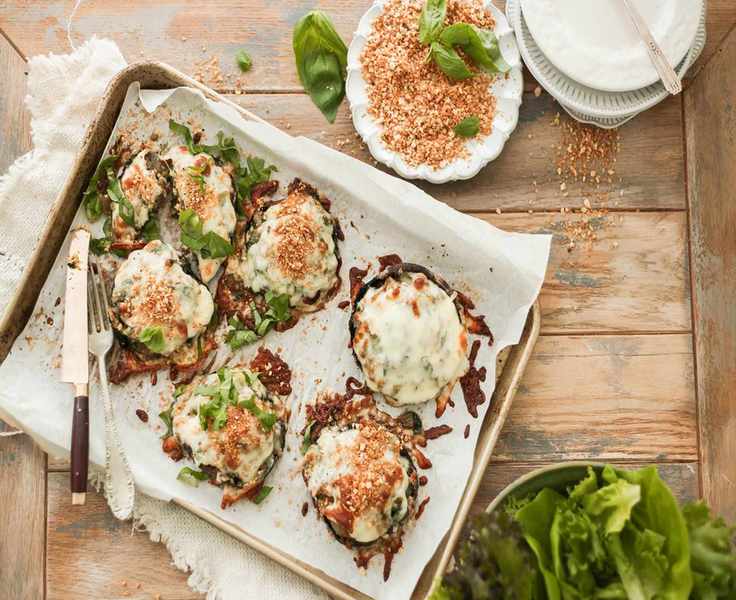
2. Caramelized Onion and Spinach Stuffed Portobello Mushrooms
These delectable stuffed mushrooms blend comfort food with high protein. Even the most discerning meat-eaters will enjoy them. Caramelized onions and a sprinkle of parmesan and mozzarella elevate these veggies.
3. Vegan Flatbread With Roasted Carrot and Red Pepper Hummus
Clear out your fridge while enjoying this delightful flatbread that's creamy, crunchy, and satisfying.
4. Kitchari
This traditional dish combines grains and beans for a complete protein source, infused with warming spices for nourishing goodness.
5. Shiitake Kale Pappardelle
This high-protein, pasta-rich vegetarian dish is bound to become a weeknight favorite. Greens and grains never tasted better.
6. Sweet Potato Falafel Veggie Burgers
Panko breadcrumbs provide structure and texture to these veggie-packed falafel burgers, creating a satisfying and enjoyable dinner option.
Feeling inspired? We have even more plant-based protein meal ideas to satisfy every craving.