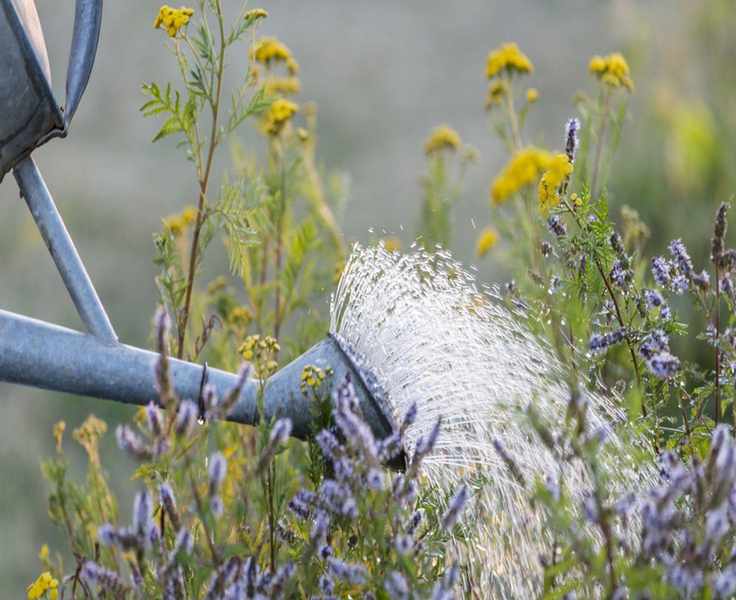
Creating plant fertilizer from weeds is a fun and quick weekend activity. Most gardens are filled with weeds that can be a free and nutrient-dense resource for gardeners.
In recent years, many gardeners have started to embrace weeds, recognizing their value for biodiversity and the ecosystem. If you're planning to pull up dandelions and nettles this weekend, consider turning them into homemade fertilizer instead!
The leaves, roots, and flowers of weeds can be transformed into fertilizers that enhance the growth of your garden. Below are two easy recipes I've personally tested that can significantly enrich your soil this season. Give homemade organic fertilizer a try this weekend!
Crafting Plant Fertilizer with Weeds
Weeds are a natural treasure trove of nutrients, often found in abundance in gardens. Nettles typically thrive under hedges, while dandelions pop up in lawns. It's time to put these free resources to good use by making your own fertilizer!
1. Making Nettle Fertilizer

Avoid the common mistake of discarding nettles during spring and summer. Instead, consider making nettle tea, which can serve as a great fertilizer for your garden.
Nettles are rich in nutrients and can significantly benefit your crops. They contain high levels of nitrogen, iron, and potassium, making them particularly useful for leafy vegetables. I've utilized nettle feed on crops like kale, chard, and spinach. The nitrogen promotes lush leaf growth, perfect for summer salads.
Since nettles sting, it's wise to wear gloves when handling them. Gather fresh nettle shoots and chop them into small pieces, no larger than 3 inches.
Put the chopped nettles in a large bucket and fill it with water to cover them completely. I recommend placing a stone on top to keep them submerged. After four weeks, your nettle fertilizer will be ready. When using it, dilute one part nettle feed with ten parts water, and store it covered when not in use.
This nettle solution can also act as a foliar spray to ward off pests like aphids and mites. For more details on pest control, dilute the nettle mixture in a spray bottle, again using a 1:10 ratio, and apply it to affected crops.
Organic plant fertilizer with a 4-4-4 NPK provides essential nutrients for high yields and vibrant foliage. This organic fertilizer contains no synthetic chemicals and is great for organic gardening.
2. Making Dandelion Fertilizer

If you're wondering how to manage dandelions, think about using them as fertilizer. Dandelions are not just weeds; they have lovely yellow flowers and can be used to create a nutritious plant food.
Rich in potassium, dandelion fertilizer is ideal for fruiting crops like melons, strawberries, and tomatoes. Potassium aids in root development and enhances flower and fruit production.
To make dandelion fertilizer, collect the flowers, leaves, and roots, and place them in a large bucket filled with water. Cover the bucket and let it sit for 3 to 4 weeks in a shaded area. Stir the mixture weekly, but be prepared for the smell!
After 3 to 4 weeks, strain the mixture using a mesh cloth, saving the liquid and discarding the plant matter to prevent spreading seeds. To use it, dilute one part dandelion solution with ten parts water and apply it around the base of your crops. You can also use it as a foliar spray, but avoid spraying directly on fruits that are close to harvest.
FAQs
Which weed fertilizers are best for flowering and fruiting crops?
Dandelion fertilizer is packed with potassium, making it an excellent choice for flowering and fruiting plants like strawberries and tomatoes. You might also explore how to make comfrey fertilizer, which is rich in nitrogen, phosphorus, and potassium, beneficial for plants like peppers and cucumbers.
Producing fertilizer from weeds is a sustainable and effective way to nurture your garden. This organic approach utilizes common garden weeds found in most yards. Additionally, consider exploring natural methods for weed control that won't harm the environment.