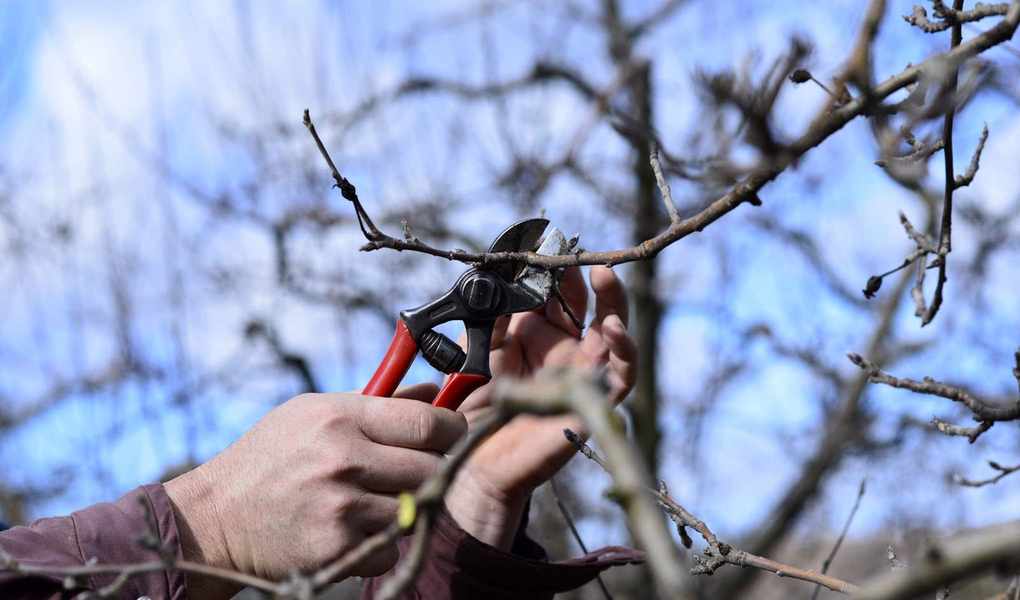

Roses, like all plants, can be vulnerable to various diseases and pests. These popular flowering shrubs can suffer from common ailments that may threaten their vibrant blooms.
Diseases such as black spot, mildew, rust, canker, and botrytis can inflict significant damage. Recognizing early signs is crucial; swift action often serves as the most effective defense for your cherished roses.
If you're already cultivating roses or considering adding them to your garden, it's important to understand the symptoms to watch for and the measures to take when these diseases strike.
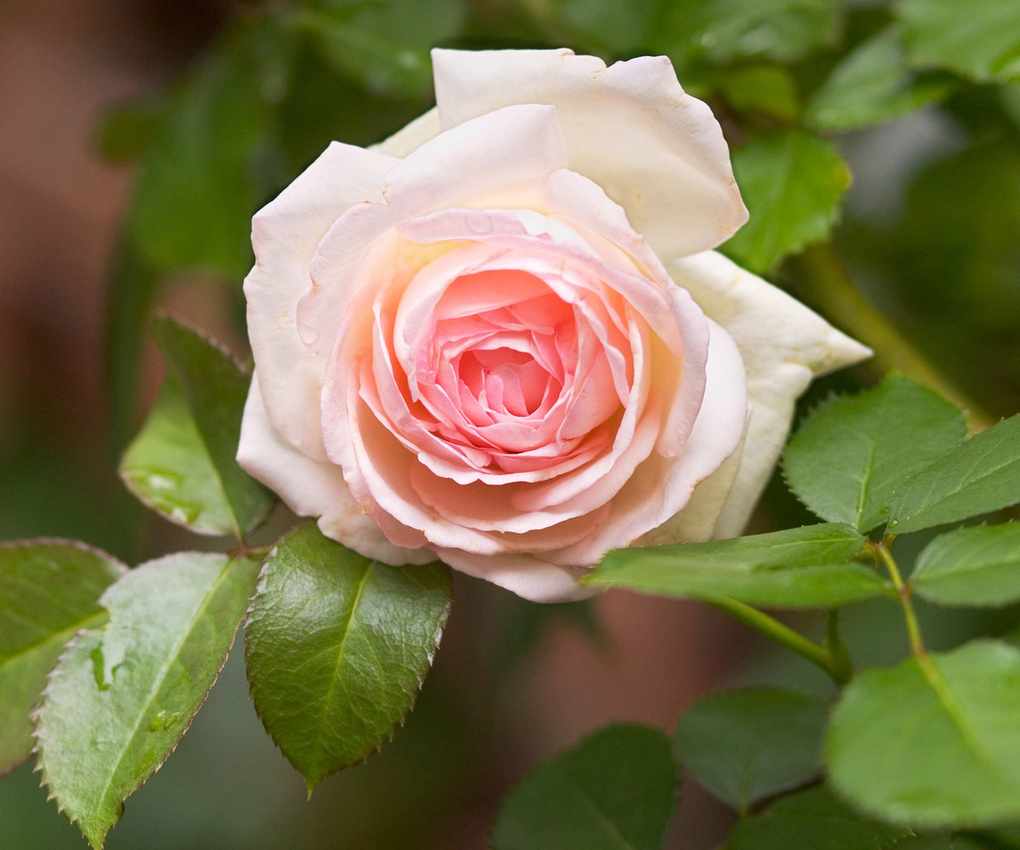
Over 150 rose species exist worldwide
Identifying Initial Signs of Rose Diseases
Numerous diseases can affect rose bushes, making vigilance essential. Symptoms generally first appear on the leaves or stems of your roses.
Regular checks and taking 'prompt action at the first sign of trouble' are highly recommended by gardening experts. This proactive approach helps tackle many prevalent rose diseases.
Common indicators of rose diseases include leaf discoloration, spotting, wilting, unusual growth patterns, and mold or fungal presence. Severe cases may result in leaf drop or defoliation.
Consulting with local garden centers or professionals can yield tailored advice for effectively managing pests and diseases. By remaining observant and proactive, rose lovers can maintain the beauty and health of their beloved plants.
We'll explore seven widespread rose diseases, highlighting symptoms to look for and potential remedies. This information could inspire your rose garden design or assist in landscaping with roses.

1. Black Spot
Black spot is a common fungal disease caused by Diplocarpon rosae. It manifests as circular black spots on leaves, starting small and expanding to about half an inch across, often surrounded by yellowing. This disease can lead to defoliation and weaken the plants, increasing susceptibility to other pests and diseases.
Typically seen in spring and fall when conditions are damp, black spot can spread through overhead watering and splashing. Fungal spores can also transfer via gardening tools, making it essential to sanitize tools after pruning.
Pruning infected foliage is effective for prevention. Any affected leaves should be discarded rather than composted. An example involves a client's garden where black spot thrived due to overwatering and insufficient sunlight. After adjusting the watering routine and pruning, the roses recovered within a month.
While there are black spot-resistant rose varieties, complete immunity is not guaranteed due to the fungus's ability to mutate. Chemical treatments, such as BioAdvanced Disease Control for roses, are available, along with organic options like Bonide Rose Rx.

2. Mildew
Roses can suffer from two types of mildew: powdery and downy. Powdery mildew, caused by Sphaerotheca pannosa var. Rosae, appears as a white, powdery coating on leaves and stems. It can cause distortion and leaf drop, thriving in temperatures around 70 to 80°F.
Downy mildew is less common and prefers cooler, damp conditions, presenting as dark purple or brown lesions on leaves and stems.
Some rose varieties are resistant or moderately resistant to powdery mildew, and fungicides can address these issues. Improving air circulation and watering at the base rather than on the leaves are effective prevention strategies.
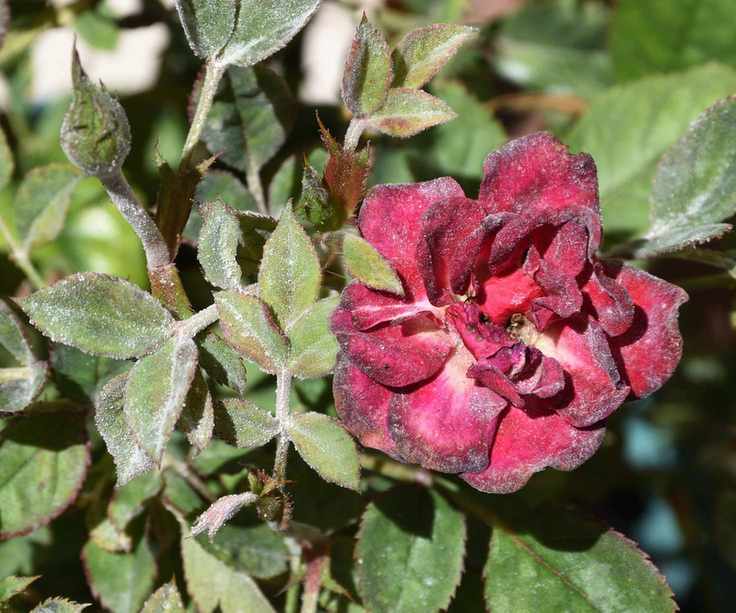
Powdery mildew manifests as a white film on roses
3. Canker
Cankers appear as discolored, dead areas on rose stems, often in shades of brown, black, or grey, caused by fungi entering through wounds from pruning or environmental stress.
To minimize spread, ensure tools are clean and sharp before use and disinfect when switching between plants. Prune infected areas well below the canker and dispose of the cuttings properly.

Cankers need prompt removal from rose stems
4. Rust
Rust is another fungal disease causing orange spots on leaves, typically starting underneath before spreading. The spots transition from orange to brown and eventually black, leading to yellowing and leaf drop.
Regular monitoring allows for early removal of infected leaves. Avoid wetting foliage and clear any fallen leaves to reduce fungal spread.
Effective water management is crucial; watering the soil instead of the foliage can help reduce diseases. There are rust-resistant rose varieties and fungicides available, like Garden Safe Fungicide.

5. Mosaic Virus
Rose mosaic virus, a non-fungal disease, manifests in the spring, causing discolored, distorted leaves and reduced plant vigor. Unfortunately, there's no treatment for infected roses; they must be removed and disposed of properly.

Mosaic virus leads to yellow markings on rose foliage
6. Botrytis
Botrytis is another fungal issue that causes browning flowers and can prevent buds from opening. It thrives in hot, humid conditions, so avoid overhead watering and deadhead regularly to eliminate spent blooms that can harbor the fungus.
Be cautious with fertilizer, as excessive nitrogen can lead to new growth that is more vulnerable to botrytis. Remove and discard any affected blooms.

Botrytis can stop rose buds from blooming
7. Rose Rosette
Rose rosette disease, caused by a virus, leads to abnormal growth in stems, leaves, and flowers. It spreads via tiny mites that can be carried by wind, animals, or tools. The initial host is often an invasive rose species, and these mites then infect other roses.
Signs of rose rosette disease include bright red growth that doesn't green up and clusters of shoots emerging from a single point on the plant. Unfortunately, there's no cure. Infected plants should be removed immediately.
To prevent this disease, select resistant varieties and ensure good maintenance of existing roses. Proper spacing, health, and pruning can help mitigate the risk of rose rosette disease.
Roses are beloved by gardeners, who often seek out the best fragrant or best climbing roses. While admired, they can be challenging to care for, given the variety of potential pests and diseases.
Staying alert and observant allows you to catch issues early, such as yellowing leaves. This proactive approach often leads to straightforward solutions for keeping your roses thriving.