
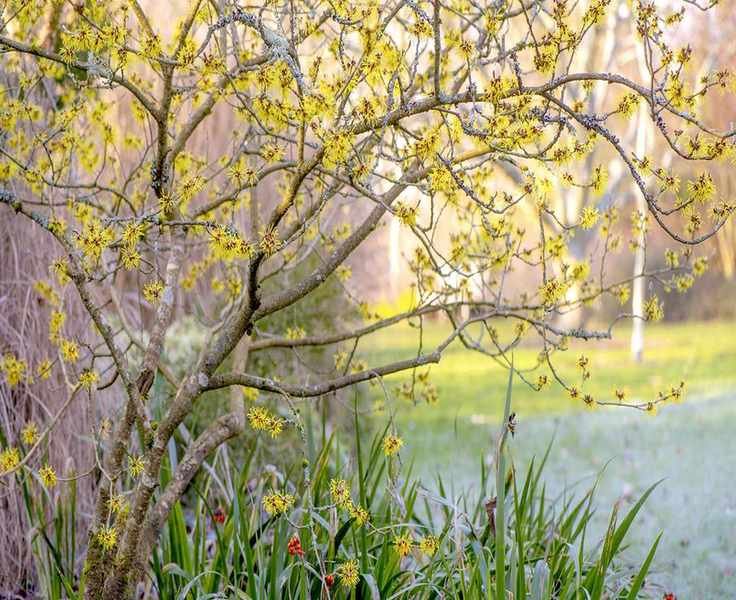
Knowing how to properly prune witch hazel is essential if you're looking to control the size of this fragrant winter shrub.
If you've selected a compact, slow-growing variety like Hamamelis 'Angelly', which typically reaches around 8 feet tall, you might not need to trim it at all unless it interferes with adjacent plants.
When pruning is necessary, it's crucial to do it correctly to maintain the plant's stunning branch structure.
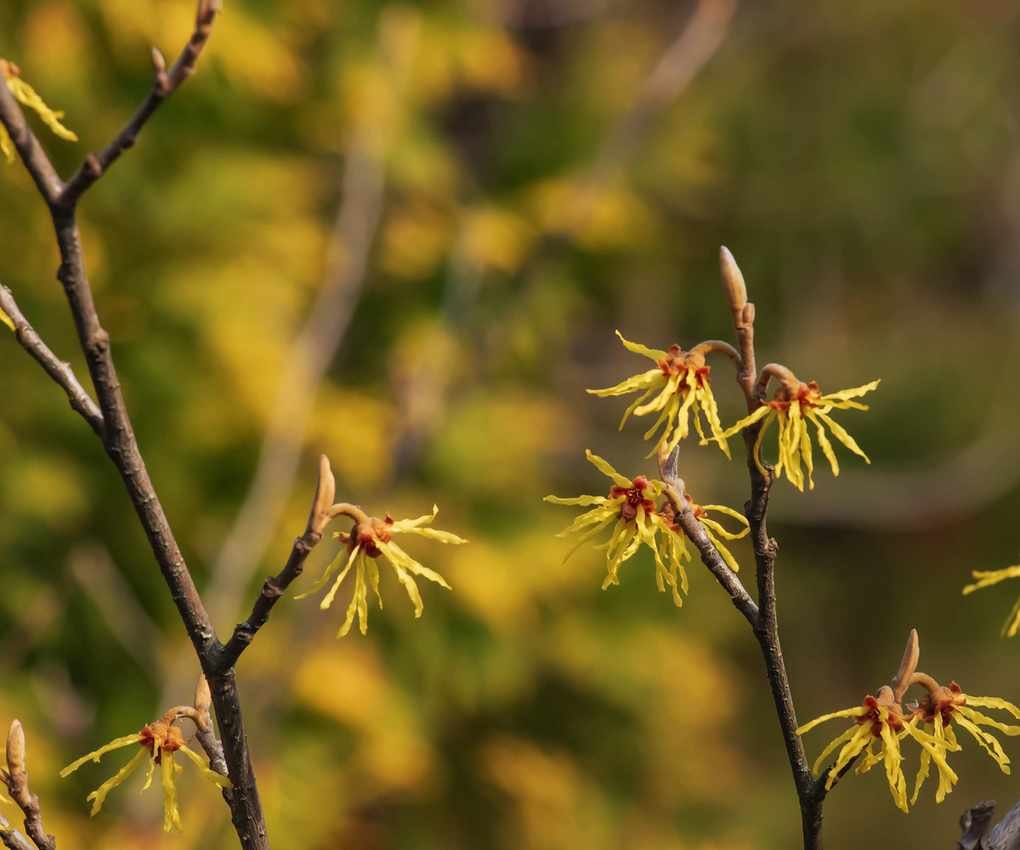
Steps to Prune Witch Hazel
Unlike some plants that require frequent pruning, witch hazel usually thrives without much intervention, allowing it to grow in its natural form.
Wait until the plant has completed its second flowering season before trimming last year's growth back to two buds from the main stem with well-maintained pruning shears. This encourages the formation of new flower buds.
For witch hazel, pruning is primarily needed for removing any diseased growth or broken branches. Being a slow-growing shrub, it is well-suited for container gardening, so it's best to avoid excessive cutting.
When to Trim Witch Hazel
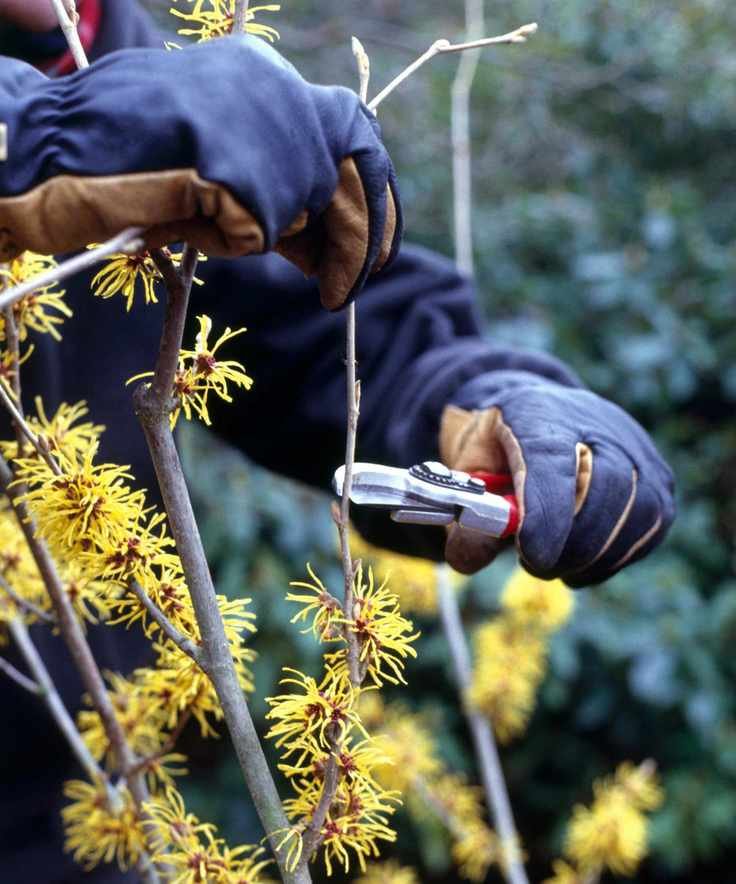
Eliminate dead, damaged, or overlapping branches
Only trim damaged shoots back to healthy growth when necessary. If you notice two branches rubbing against each other, it's advisable to remove one, using sharp and clean loppers or pruning shears.
The graceful shape of a mature witch hazel is one of its main attractions, making it wise to allow it to grow freely. Some varieties may eventually develop into small trees, providing opportunities for beautiful landscaping around them with shade-loving perennials and spring-flowering bulbs planted below.
If your witch hazel is growing alongside another shrub and they start to crowd each other, think carefully before deciding which one to trim back. While most shrubs can handle thoughtful pruning to manage their size, few can match the attractive branching structure of witch hazel. Generally, it's better to restrict the other shrub instead.
Shop for Witch Hazel Plants
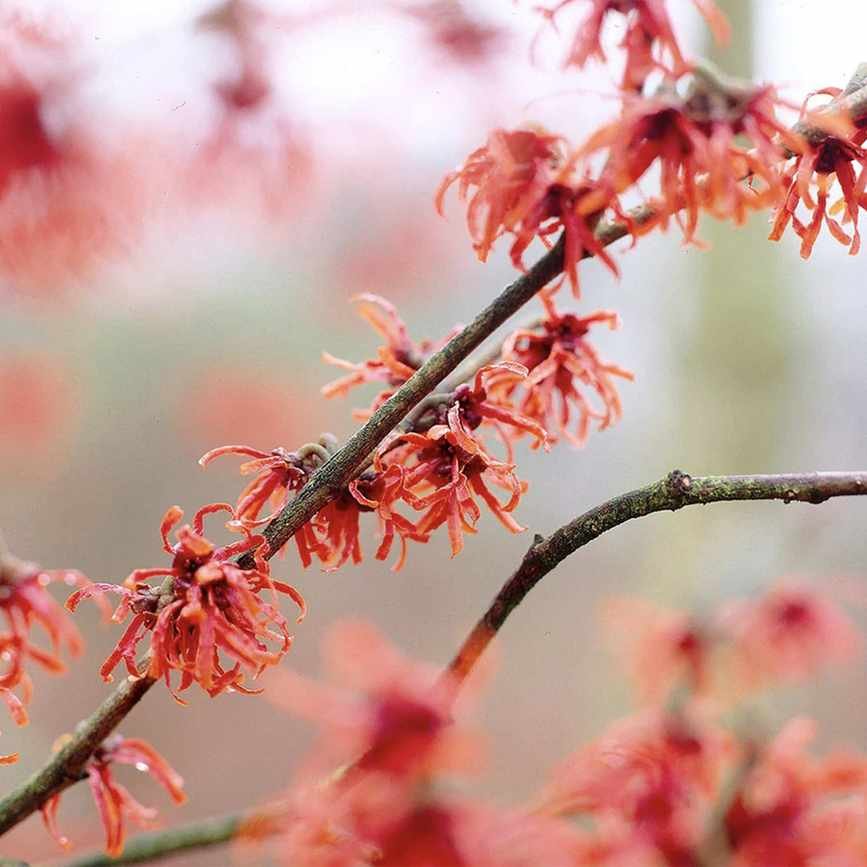
Diane Witch Hazel Shrub
Hamamelis x intermedia 'Diane' boasts striking reddish flowers.
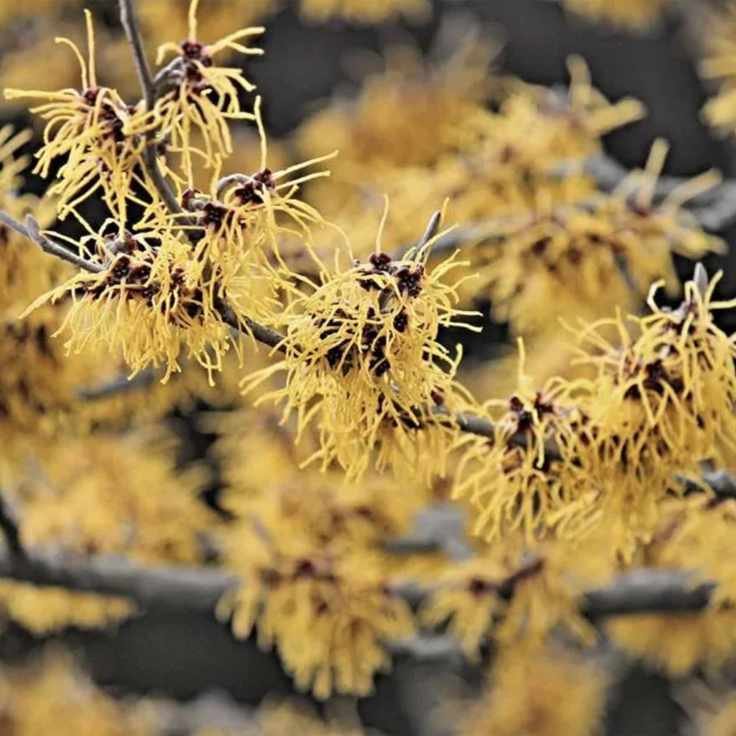
Common Witch-hazel
Hamamelis virginiana is a native US variety. Its yellow flowers may be smaller than those of Japanese types, but they emit a lovely sweet fragrance.
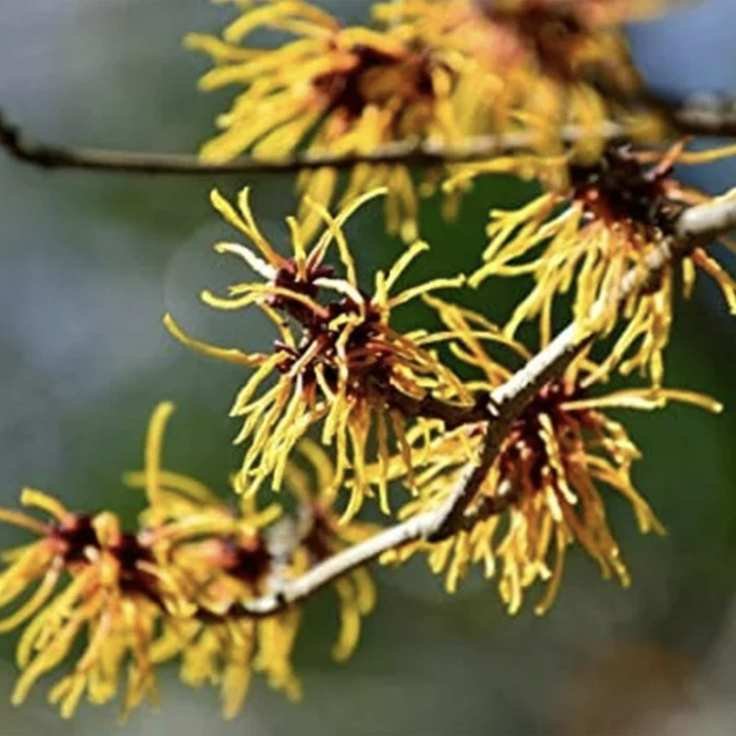
2 Witch Hazel Trees/Shrubs
A great deal on two shrubs, though they arrive only 8 inches tall, so patience is key as they grow.
How to Propagate Witch Hazel
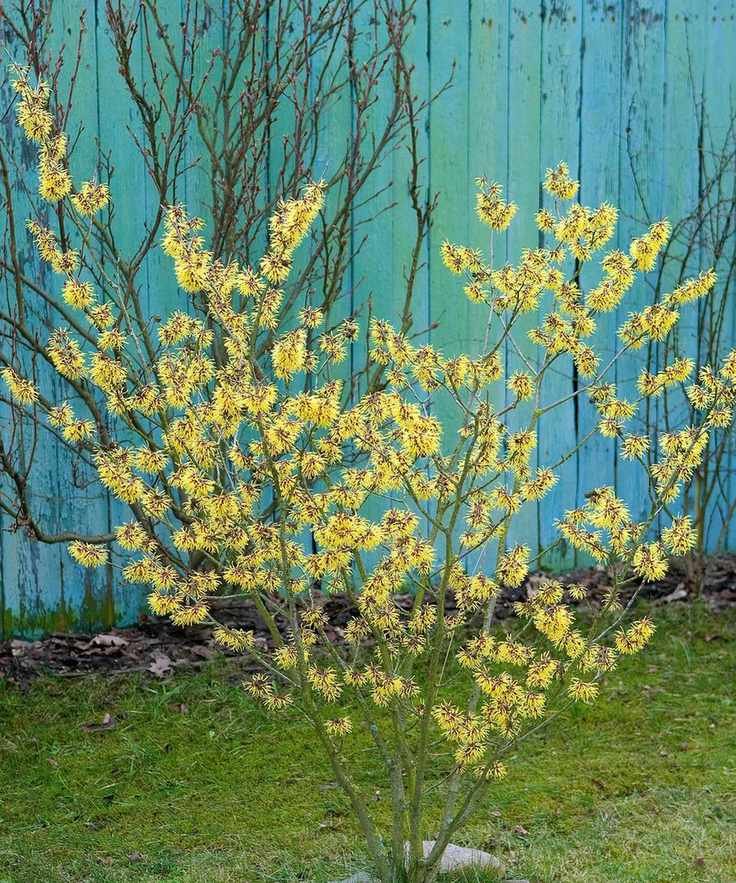
Remove suckers emerging from the base of a grafted witch hazel
If you do prune some stems from your witch hazel, you might consider propagation. However, be aware that these plants are not the easiest to propagate. You can try taking cuttings in spring, but even experienced propagators report low success rates.
In nurseries, witch hazels are typically propagated through grafting. This involves joining a piece of the desired variety to a rootstock from a different species that grows quickly from seed and produces smaller blooms. Often, a wild American species serves as the rootstock.
Occasionally, as the plant flourishes, a shoot may unexpectedly sprout from below ground at the base of the stems. These suckers, arising from the rootstock, can grow vigorously and shoot straight up through the plant. They do not represent the named variety that produces those stunning flowers, so it's best to remove them as close to the base as possible to prevent them from taking over.
Overall, grafting witch hazel demands skill and is labor-intensive, which contributes to these plants typically being priced higher than most other shrubs.
FAQs
Can I prune witch hazel if it's getting too large?
The graceful growth of a mature witch hazel is one of its highlights, so letting it grow is often the best approach. Some varieties may eventually grow into small trees suitable for compact gardens, allowing you to plant shade-loving perennials and spring-flowering plants beneath its branches.
Witch hazel is just one of many winter plants for pots and borders that can add scent and structure to your garden.


