Keeping your flower pots clean is a straightforward task that every gardener should prioritize, as it plays a crucial role in maintaining the health of your plants. However, this often-overlooked chore can lead to the spread of diseases if neglected.
Not only does cleaning flower pots help combat pests and diseases, but it also revitalizes their appearance. Therefore, it's wise to add pot cleaning to your list of end-of-summer gardening tasks. After a season of exposure to the elements, flower pots of all materials can become grimy and faded, and many may not have seen a proper cleaning in years.
As a gardening enthusiast, I have accumulated numerous flower pots, modules, and seed trays over time. Having worked professionally in various gardens, I've witnessed potting sheds overflowing with plastic pots. Fortunately, those gardens practiced effective methods, continuously cleaning and reusing plastic pots and trays until they eventually wore out.
Reusing pots is always a more sustainable choice, but it's essential to know how to clean them properly to avoid potential issues in your container garden later on.
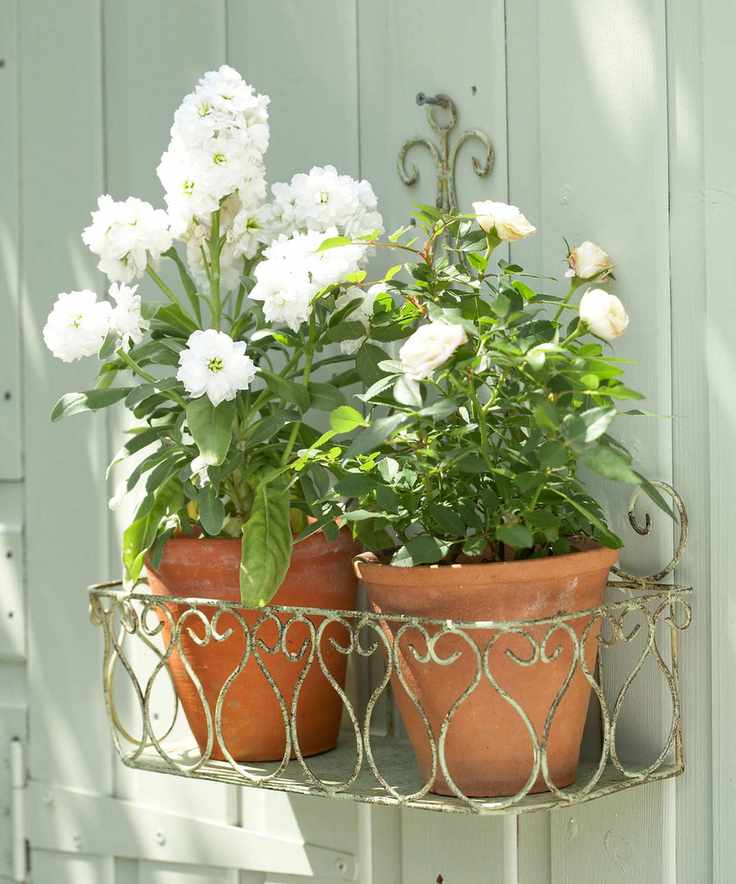
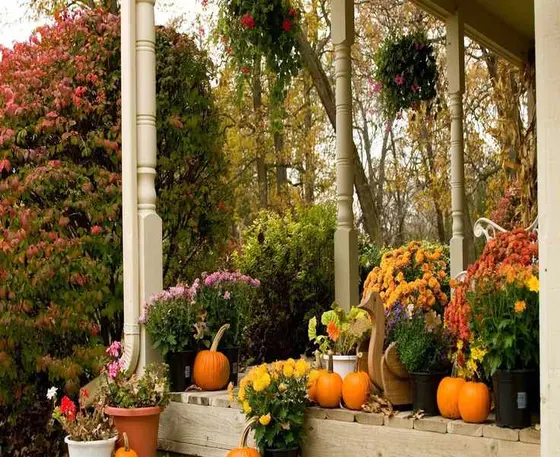
Some flower pots serve as temporary displays, while others are permanent fixtures.
Why Cleaning Flower Pots is Essential
If you're planning to reuse flower pots or outdoor containers, there are specific precautions to consider. Old soil can harbor bacteria, viruses, and fungi that may affect the health of your future plants. Thoroughly cleaning and sterilizing the pots is vital to prevent potential harm to new seedlings.
Diana from The Gardening Talk emphasizes that pots can 'become breeding grounds for pests and diseases' and insists it's crucial to 'regularly clean and sanitize' them to keep plants healthy and limit any pest outbreaks.
'Cleaning flower pots is a fundamental aspect of plant care and maintenance,' she notes. 'It not only keeps your pots looking tidy but also helps prevent the spread of diseases and pests. Container-grown plants are more vulnerable to these issues since they have limited access to natural resources compared to plants in the ground.'
'By routinely cleaning your flower pots, you can reduce the buildup of harmful bacteria and fungi that could lead to plant diseases. You can also eliminate persistent pests, such as aphids or spider mites, that can rapidly multiply and infest your plants.'
Fungus gnats and certain mealybug species may also survive in any soil left in pots, while the RHS warns that pots can become 'breeding grounds for pests and diseases, especially baby slugs.'
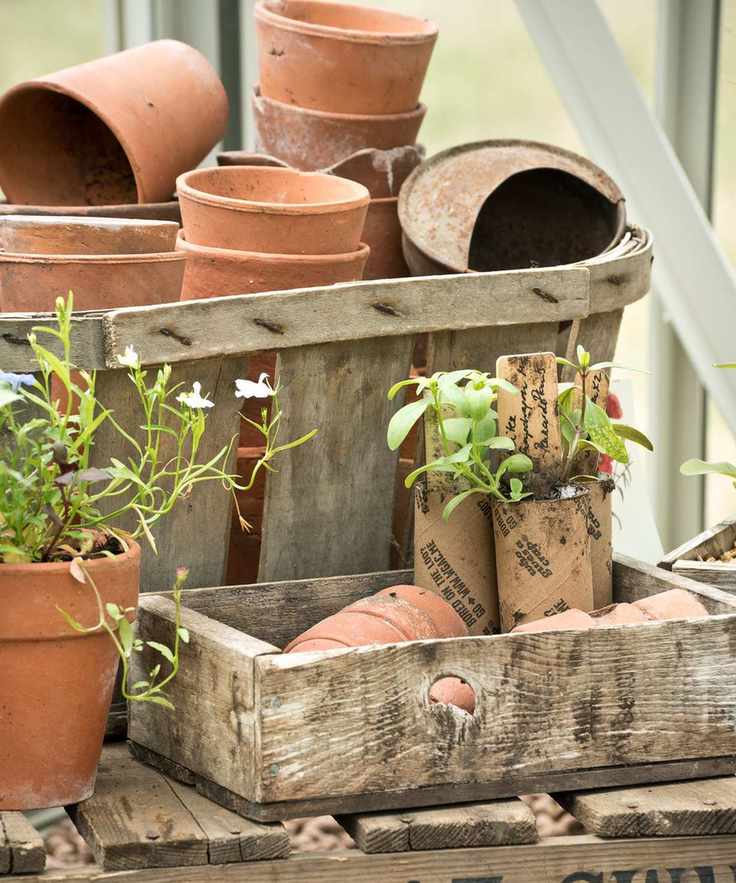
Flower pots can be reused for propagation tasks.
Steps for Cleaning Flower Pots to Eliminate Dirt and Pests
- Completely empty the flower pots, ensuring all soil is removed.
- Use a stiff brush to scrub the inside of the pot, removing any lingering debris. A heavy-duty outdoor brush from Amazon is ideal for this job.
- Prepare a diluted bleach solution by mixing one part bleach with ten parts water, then soak your pots in the solution.
- Allow the pots to soak for thirty minutes, then discard the solution and rinse the pots thoroughly using a hose or outdoor faucet.
- Let the pots air dry outside in the sun rather than wiping them down with towels or cloths.
- Store your cleaned and sterilized pots separately from dirty ones to avoid contamination.
If you prefer not to use a bleach solution, an environmentally friendly alternative is to mix equal parts vinegar and water. Soak the flower pots in this solution for up to thirty minutes before rinsing and allowing them to air dry.

Soak flower pots for thirty minutes and let them air dry.
How to Remove White Mineral Deposits from Clay or Terracotta Pots
You may find a white 'crust' buildup on your terracotta or clay pots. This residue consists of minerals and salts from fertilizers and tap water.
This buildup can occur both inside and outside of pots, and Vladan Nikolic, founder of MrHouseplant, warns that this crust is 'not just an aesthetic concern' and can impact a plant's health.
'Over time, the accumulated minerals and salts can burn roots and alter the soil's pH, blocking the absorption of essential nutrients,' he adds.
This buildup must be thoroughly cleaned to ensure the vitality of the plants placed in these pots. To help slow the formation of this crust, consider watering your plants with rainwater instead of tap water.
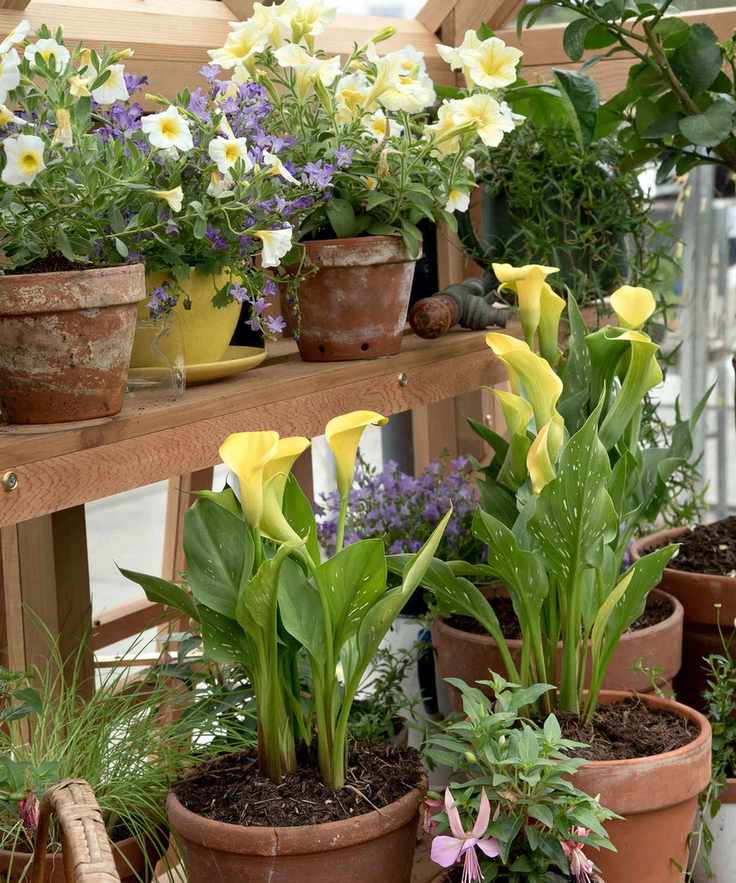
Terracotta pots can last for many years with proper maintenance.
Environmental Benefits of Cleaning and Recycling Your Flower Pots
The gardening industry heavily relies on plastic, which contributes significantly to the global plastic pollution crisis. A staggering number of plastic pots and trays end up in landfills each year, with some estimates suggesting they can take up to 500 years to decompose.
While many people are shifting away from a throwaway culture, the volume of pots being discarded remains alarmingly high. Though there are now various alternatives to plastic pots available, such as coir flower pots (available on Amazon), the best approach for those already cluttering your garage or shed storage is to continue using them for as long as possible rather than replacing them.
Mohammed Bhula from The Botanical Archive states, 'Reusing flower pots is crucial for protecting our environment. A vast number of pots end up in landfills annually, and plastic pots can take decades to decompose. To contribute positively, we recommend cleaning and reusing plant pots whenever feasible.'
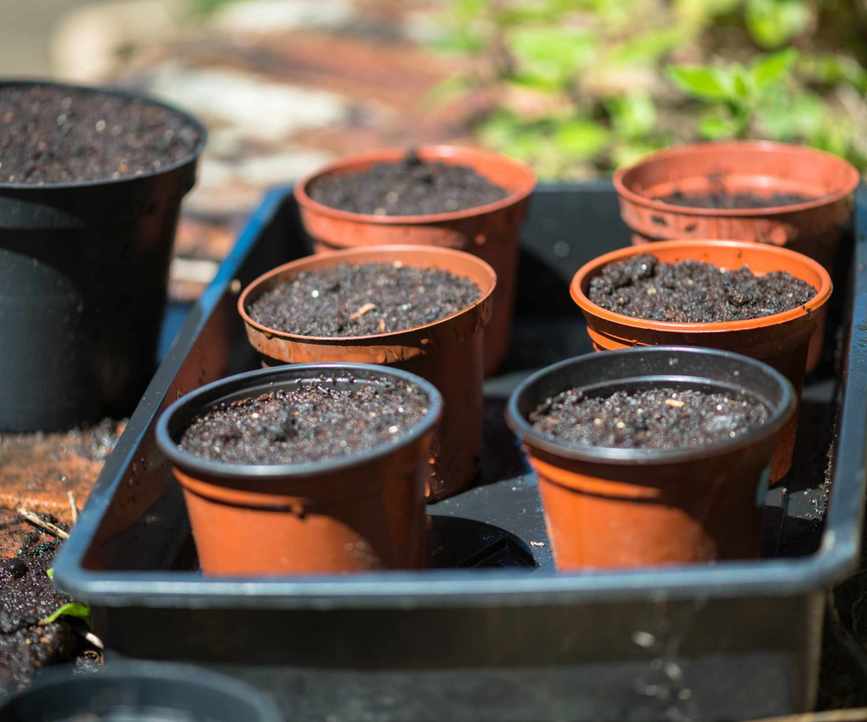
With the right care, pots can be reused year after year for sowing seeds and nurturing seedlings.