
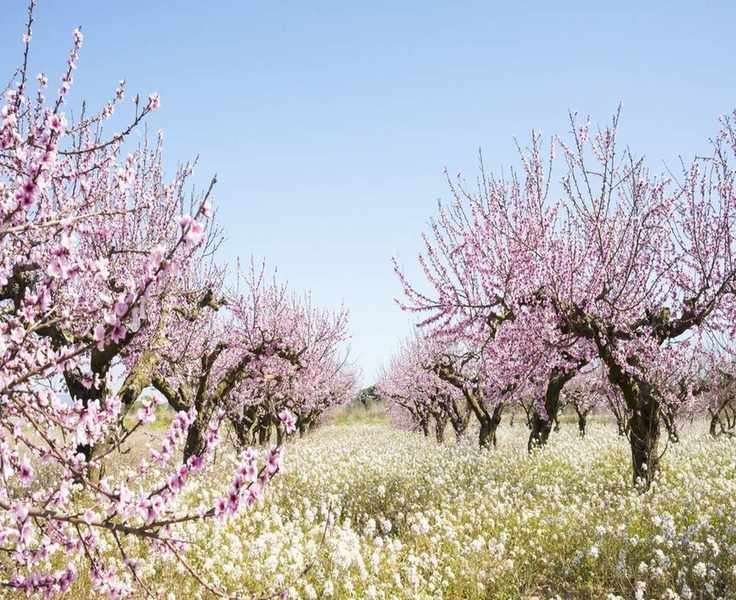
The flowering almond is set to showcase its stunning blossoms soon. Each year, the trees, Prunus dulcis, transform California's landscape into a breathtaking display of white and pink flowers.
While one might assume that grapes or avocados lead California's agricultural exports, almonds take the crown, covering over one million acres of farmland, as reported by the US Department of Agriculture.
Beyond their economic significance, the almond blossoms have gained popularity, drawing both residents and tourists who wish to experience this natural beauty firsthand, affectionately dubbed 'valley snow'.
Let's explore when and where to catch the almond blossom this year.
Best Locations for Almond Tree Blossoms
Each year, the almond trees' blossoms grace the California countryside, captivating everyone who sees them.
Almond Blossom Season Timing
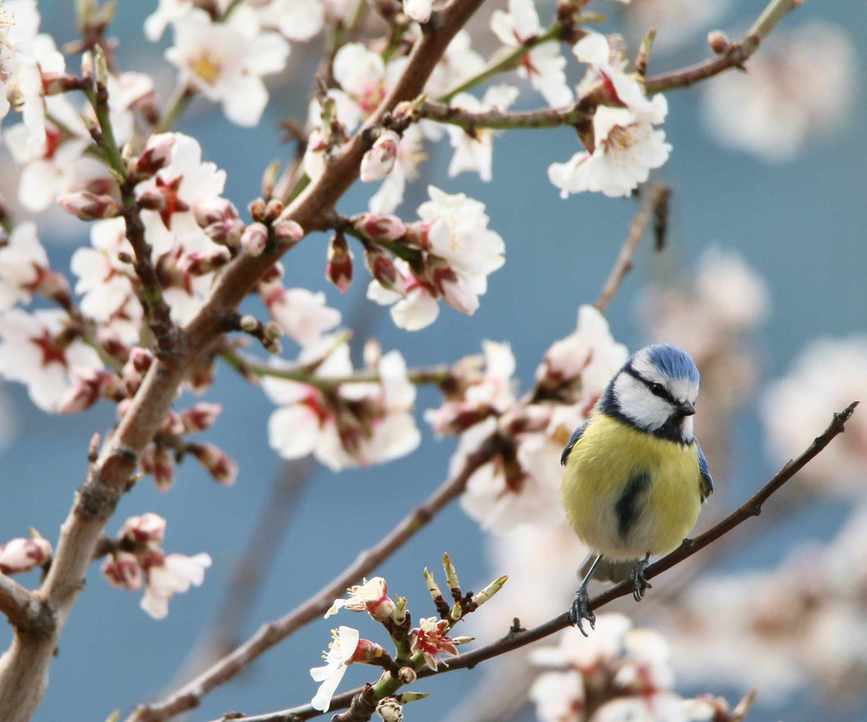
The almond blossom season generally peaks from mid-February to mid-March. During this period, the trees burst into bloom with beautiful white and pink flowers.
Almond flowers develop on growth from the previous year, meaning that while they bloom now, buds start forming at the end of summer the year before.
To catch the blossoms at their finest, it's wise to check online a few days prior to your visit. Many believe the last week of February and the first week of March is the prime time, but this can vary due to weather conditions.
Monitoring social media from California's almond orchards can provide updates on the blooming schedule.
Top Viewing Spots for Almond Blossom
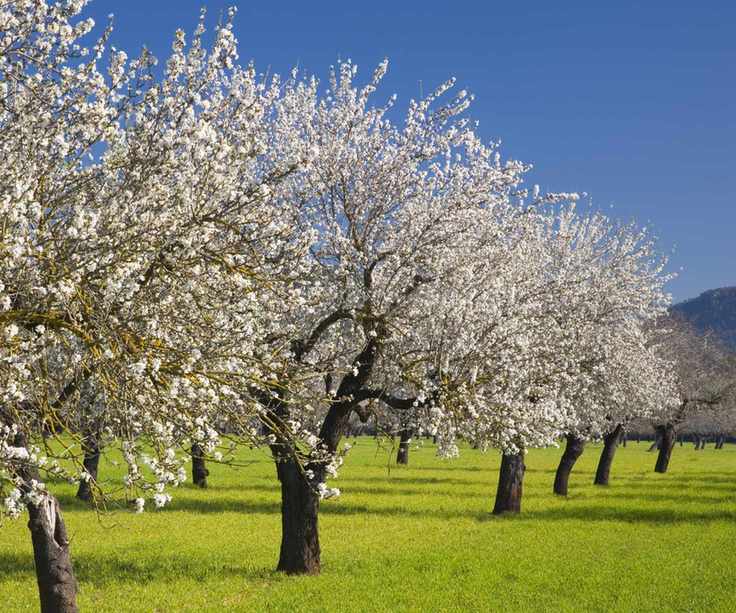
With its hot, dry summers and cool, wet winters, California's Central Valley is perfect for almond trees. 'Almond trees flourish in US hardiness zones 7 - 9 and thrive in regions with long, hot, and dry Mediterranean summers,' explains Fern Berg, an expert in trees and founder of Tree Vitalize.
Almond trees require a cold winter to 'break dormancy,' signaling the start of blooming. As temperatures drop, the trees recognize winter's arrival, leading to their iconic blooms in late winter.
Many prime locations for viewing these blossoms can be found in California's Central Valley. Modesto boasts over 100,000 acres of almond orchards creating a picturesque landscape. Other notable spots include Durham, situated to the north, and Dixon, just a short drive from Sacramento.
Visitors should confirm access to almond orchards before visiting. It's advisable to reach out to the orchards for guidance and visiting protocols.

Fern Berg
Fern has cultivated over 100 types of native and exotic fruit, nut, and ornamental trees. She also maintains a large vegetable garden and several flower gardens while nurturing a diverse collection of indoor plants. Her focus includes biodynamic farming and sustainable food production.
Almond Tree Care
While not a fruit-bearing variety, the Prunus glandulosa 'Rosea Plea' is a charming dwarf almond that suits even the smallest yards. Its vibrant pink blooms can enhance any springtime garden.
Common Questions
Do cherry trees bloom alongside almond trees?
Both almond and cherry trees belong to the Prunus genus in the Rosaceae family. Almond trees typically bloom in February and early March, recognized as the first fruit trees to flower. In contrast, cherry trees tend to blossom later, often in late March to early April. Bloom times can vary across US hardiness zones.
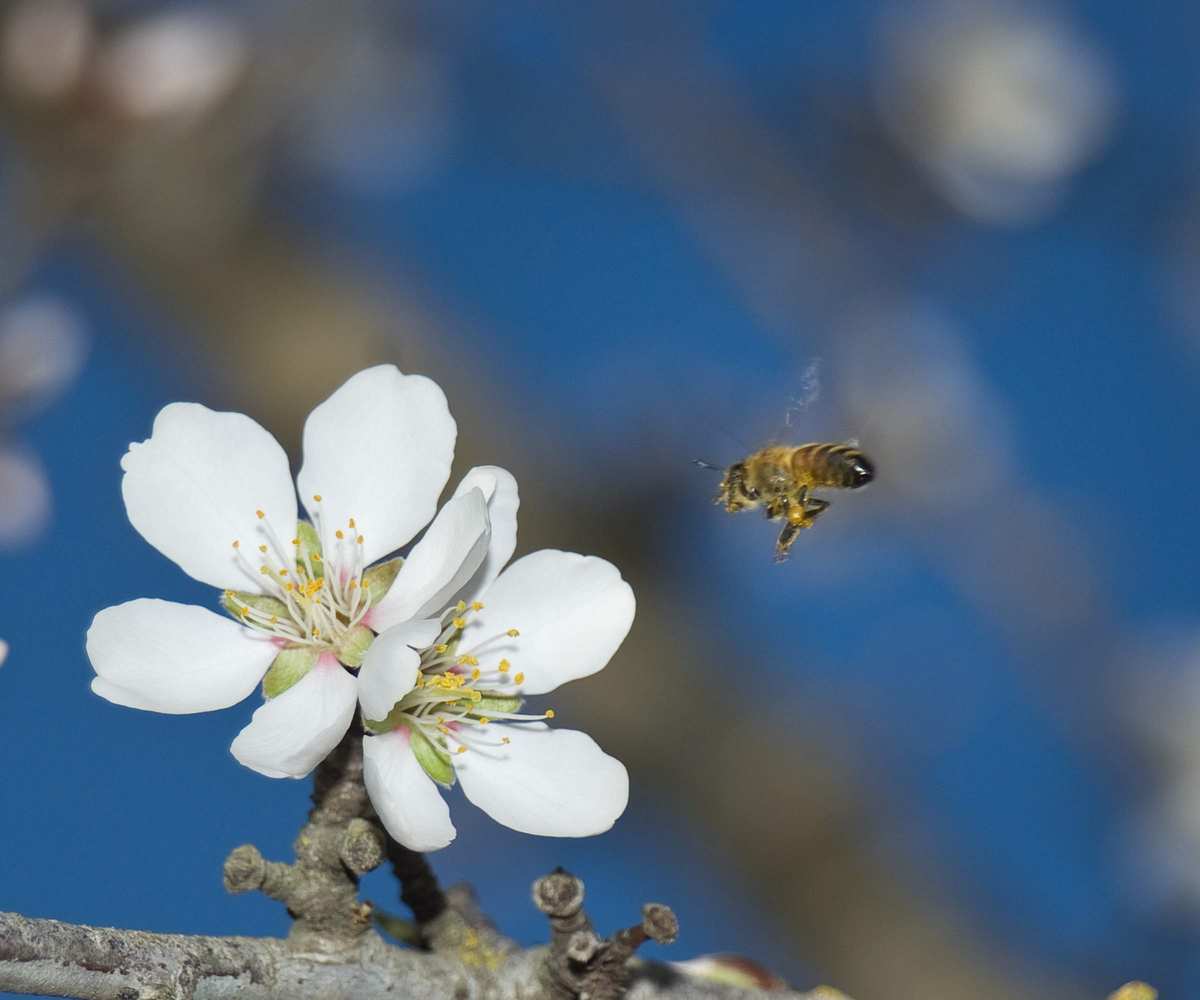
Almond blossoms transform California's landscape into a stunning display of pink and white in late winter, an event that truly impresses. Consider trying to grow your own almond tree for beautiful blooms in your garden, attracting early pollinators like bees and other insects on sunny days.