April 29 celebrates National Peace Rose Day, honoring the distinguished 'Peace' rose, a symbol of hope and unity. This rose is a joy to cultivate, known for being low-maintenance.
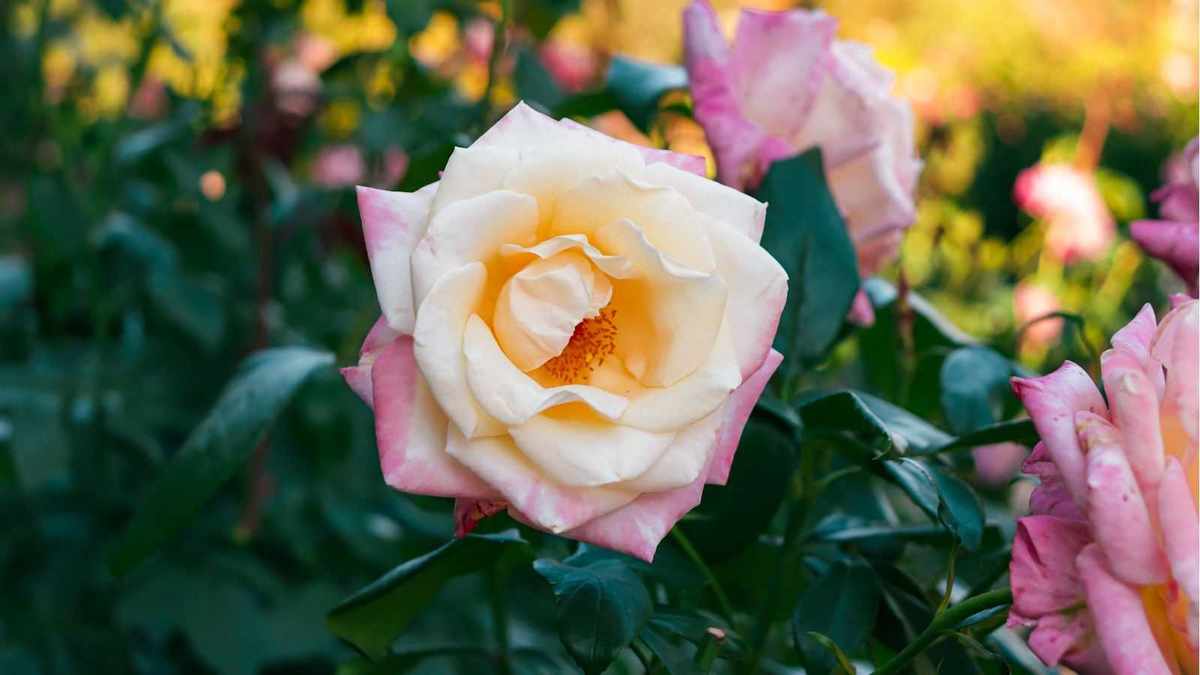
Featuring large double blooms in soft yellow and pink, this hybrid tea rose was first cultivated in the 1930s and is often linked to the end of World War II. Its enchanting fragrance attracts pollinators and offers 6" blooms that grace gardens from early summer through fall.
While rose care may seem daunting, the 'Peace' rose, available as a bare root from Walmart, is disease-resistant and thrives in USDA zones 5-9. Here's why this rose is a fantastic choice for both beginners and seasoned gardeners alike.
About the 'Peace' Rose
This bare root 'Peace' rose typically reaches a height of 4-6 feet, producing stunning pink-yellow blooms that continue into fall.
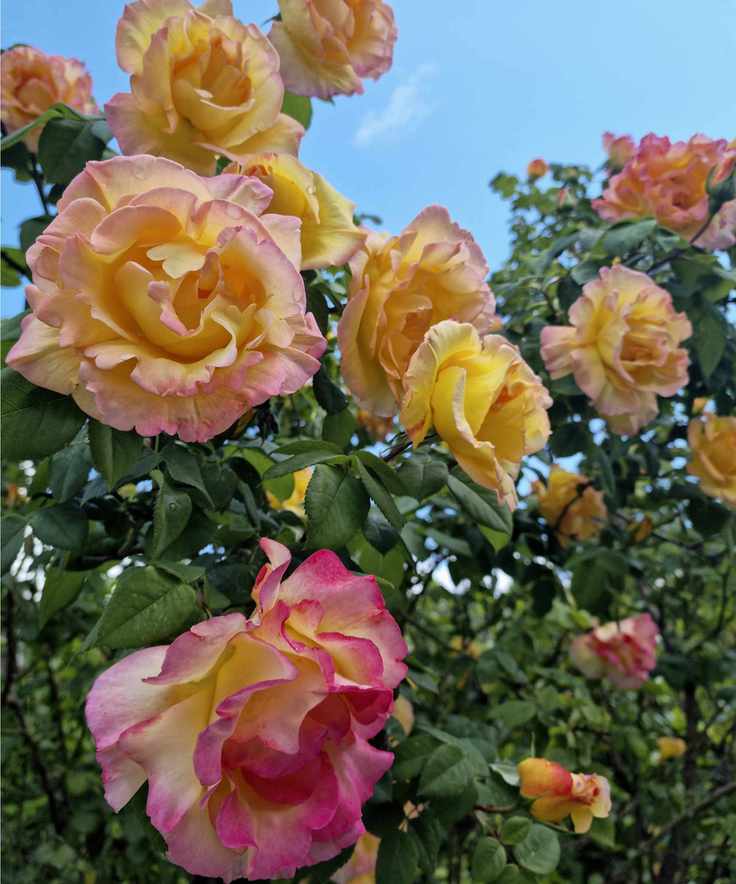
As one of the most cherished hybrid tea roses, the 'Peace' rose was named to commemorate the end of World War II, as explained by Kelly Funk, an expert from a renowned nursery.
Cultivated by French breeder Francis Meilland, originally named 'Madame A. Meilland', the 'Peace' rose came to signify hope and peace following the war.
Its introduction to the American market by Conard-Pyle in 1945 coincided with significant historical events, including the Fall of Berlin, and it was even gifted to delegates at the inaugural United Nations conference.
Today, it symbolizes beauty, light, hope, and peace in gardens.
For optimal growth, knowing how to nurture it is crucial. Here are essential tips:
Growing the 'Peace' Rose
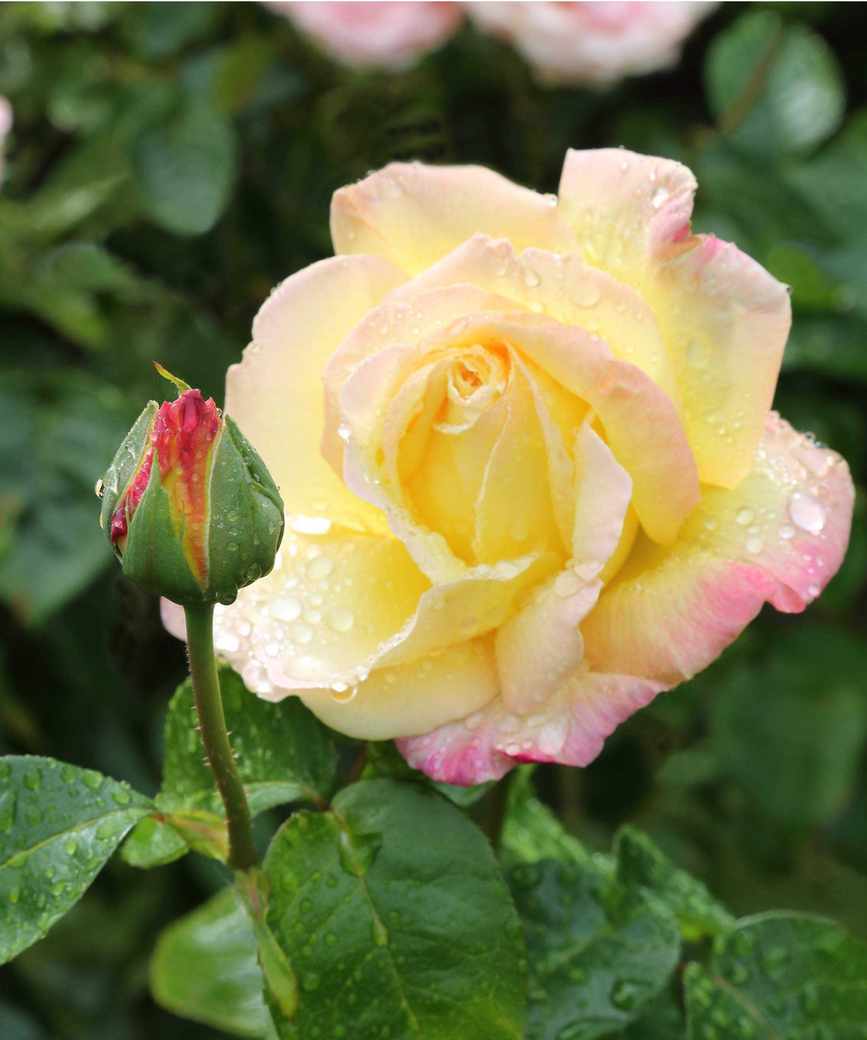
Like all roses, avoid common growing mistakes such as improper pruning, neglecting deadheading, or poor placement.
- Growth habit: The 'Peace' rose grows bushy and upright, typically reaching 4-6 feet tall and 3-4 feet wide, making it an excellent focal point for borders. As it matures, the colors intensify. Strong stems support its magnificent blooms, perfect for cut flower arrangements, according to Kelly.
- Location: These blooms flourish in full sun and well-drained soil, requiring 6-8 hours of sunlight daily. Although adaptable, they prefer nutrient-rich, loamy soil. Check your soil quality with a soil test kit from Amazon.
- Water: Prevent your 'Peace' rose from drying out completely to avoid wilting and bud loss. Water deeply but infrequently, providing 1-2 inches per week directly at the base. Keeping foliage dry helps prevent diseases like black spot.
- Fertilization: This hybrid tea rose is a heavy feeder. Use a liquid fertilizer (available on Amazon) monthly from spring to summer, or opt for a slow-release granular fertilizer (from Burpee) in early spring. Adding organic compost can also enhance soil quality.
- Pruning: Prune annually in early spring, typically from late February to mid-April, to promote new growth. Remove dead or crowded branches, and remember to wear thorn-proof gloves (from Amazon) for safety. Light deadheading should occur throughout summer for more blooms, using sharp tools for clean cuts (consider these bypass shears from Amazon).
Essential Rose Care
Thorn-proof gloves ensure protection while pruning roses.
This organic slow-release fertilizer supports roses for up to three months, encouraging vibrant blooms.
These gardening scissors are designed for precise pruning of roses with their smaller blade.
Can You Grow 'Peace' Rose in Pots?
Yes, you can cultivate this rose in a pot. Choose a large container, such as this 18" terracotta pot from Amazon. Ensure it has drainage, is filled with well-draining soil, and receives sunlight for optimal blooming.