Roses are cherished for their stunning blooms and delightful fragrance, but many gardeners make mistakes that can hinder their growth. From planting to ongoing care, awareness of these pitfalls is crucial.
When planning your rose garden, selecting the right variety for your space is key. Be mindful of common mistakes related to watering and pruning to help your roses flourish.
If nurtured correctly, your roses will reward you with a spectacular display of flowers and scent. Here are six frequent rose-growing blunders to avoid for optimal results.
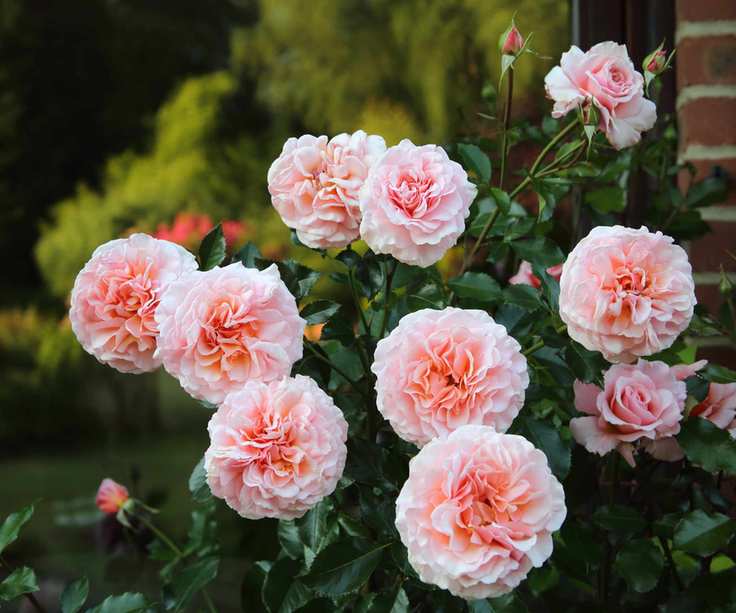
Roses can enhance a variety of landscaping designs
1. Insufficient Sunlight
Roses thrive in direct sunlight, requiring at least six hours of sun daily for optimal performance. While some varieties tolerate shade, most need bright conditions to grow strong and produce blooms. Insufficient sunlight can lead to weak growth and increased vulnerability to diseases.

Roses require ample sunlight for healthy growth
2. Incorrect Planting Location
The selection of a rose variety influences where it should be planted. Research your chosen types to ensure they are suited for the space you have. Avoid cramming climbing roses into a small area; they won't thrive. Consider wind exposure as well, as windy spots can lead to unstable growth or even breakage. Provide each rose with two to three feet of space to flourish, and if relocation is necessary, do so carefully to avoid damage.

Ensure roses have sufficient space and minimal competition
3. Inadequate Pruning
Pruning is essential for maintaining healthy roses. Knowing the specific type of rose you have will guide when and how to prune effectively. Failing to adhere to proper techniques can severely impact your plants. For instance, climbing roses require different pruning schedules than shrub roses, so tailor your approach accordingly.
To maintain plant health, always clean your tools and sharpen shears before pruning. Rough cuts on stems can lead to pest and disease issues.
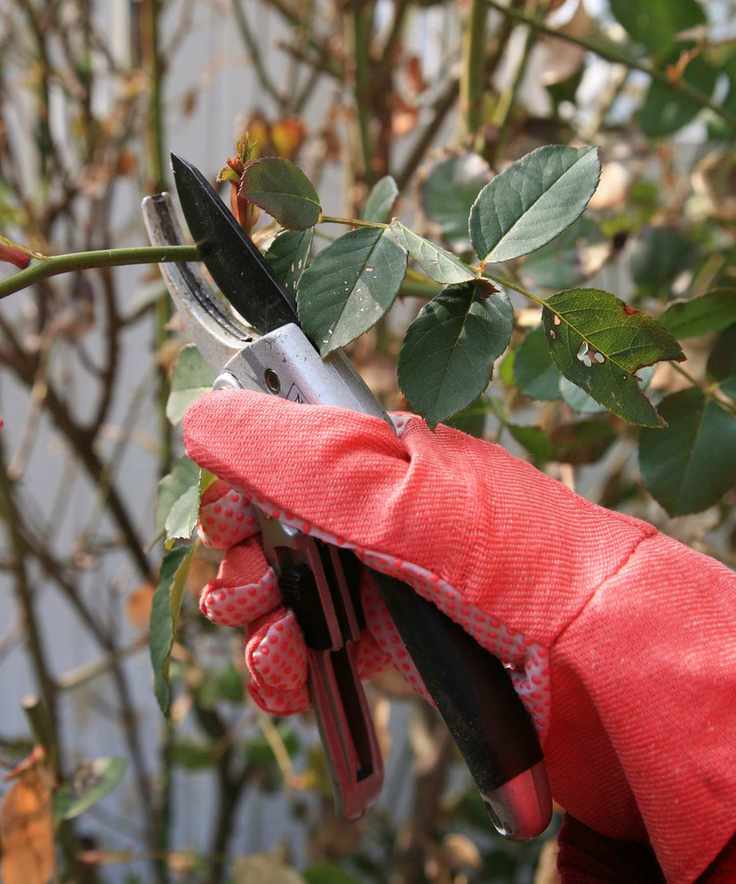
Understand the correct timing and methods for pruning
4. Forgetting to Deadhead
Deadheading is a simple yet crucial summer task for roses. Experts note that removing spent blooms encourages new flowers and helps shape the plant. Regularly take time to deadhead throughout the summer, whether it's snipping off individual flowers or entire clusters.
Neglecting this task not only deprives you of additional blooms but can also lead to unsightly spent flowers that harbor fungal diseases like black spot and mildew.
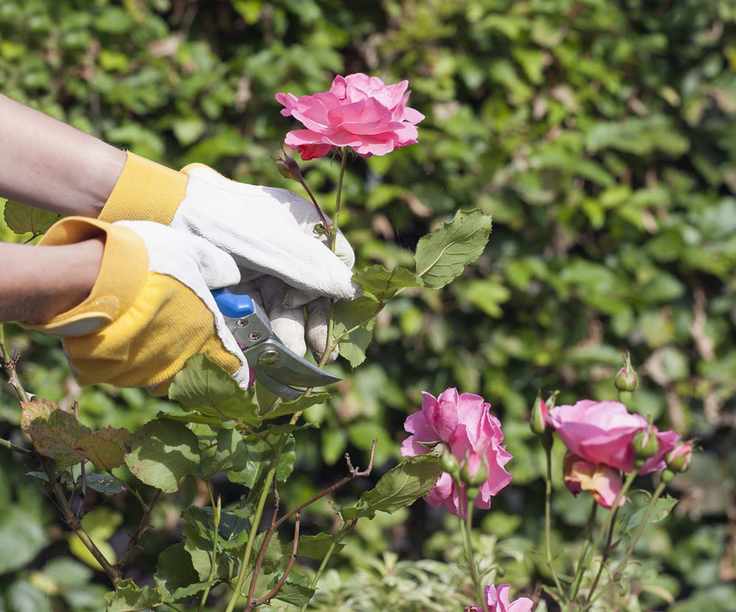
Regular deadheading is beneficial for blooming
5. Ignoring Soil Quality
Knowing when to plant roses is only part of the equation; ensuring your soil is suitable is equally important. Understanding your soil type will help create conditions that are well-draining and nutrient-rich.
Experts suggest enriching soil with organic matter, such as aged manure or compost, for robust growth. Consider applying mulch to regulate temperature, retain moisture, and suppress weeds.
Regular feeding is beneficial during the growing season, but be cautious not to fertilize newly planted roses until they're established. Aim to fertilize every 2-4 weeks, avoiding late summer applications.

Annual mulching supports rose health
6. Overwatering
Overwatering is a common mistake affecting roses and other plants in flower beds. Correct watering practices are vital for rose health, as excess water can lead to root rot.
Water roses deeply and allow the soil to dry out between watering sessions. Even in hot weather, assess moisture levels before adding more water. A soil moisture meter can assist in determining when to water.
When watering, focus on the base of the plant to avoid wetting foliage, which can lead to diseases like powdery mildew.
Growing roses comes with numerous rewards. If you're designing a rose garden, there's a vast array of fragrant varieties to choose from. With a bit of planning and attention to these common mistakes, your roses can thrive and provide beautiful blooms year after year.