Applying the right tomato fertilizer is key to nurturing robust plants and enjoying a plentiful harvest throughout the summer.
Tomatoes are nutrient-hungry plants that need consistent watering and feeding during their growth phase. Understanding the necessary nutrients at various stages is vital for successful cultivation.
To grow tomatoes effectively, a regular regimen of watering and fertilizing is crucial. As I discovered during my gardening career, getting this balance right leads to an impressive yield of flavorful tomatoes. Here’s a guide on when and how to fertilize your tomatoes, along with recommended fertilizers.

Utilizing tomato fertilizer is essential for successful growth
Advantages of Fertilizing Tomatoes
Tomatoes thrive on fertilizer, which is essential for producing abundant fruit. This is particularly critical when growing tomatoes in containers, where soil nutrients are limited. Even when planted in the ground or indoors, regular feeding is necessary.
A nutrient deficiency can lead to stunted growth, yellowing leaves, or poor fruit yield. During harvest time, you may notice fewer flowers and smaller fruits, indicating a lack of essential nutrients. Insufficient calcium can also cause blossom end rot.
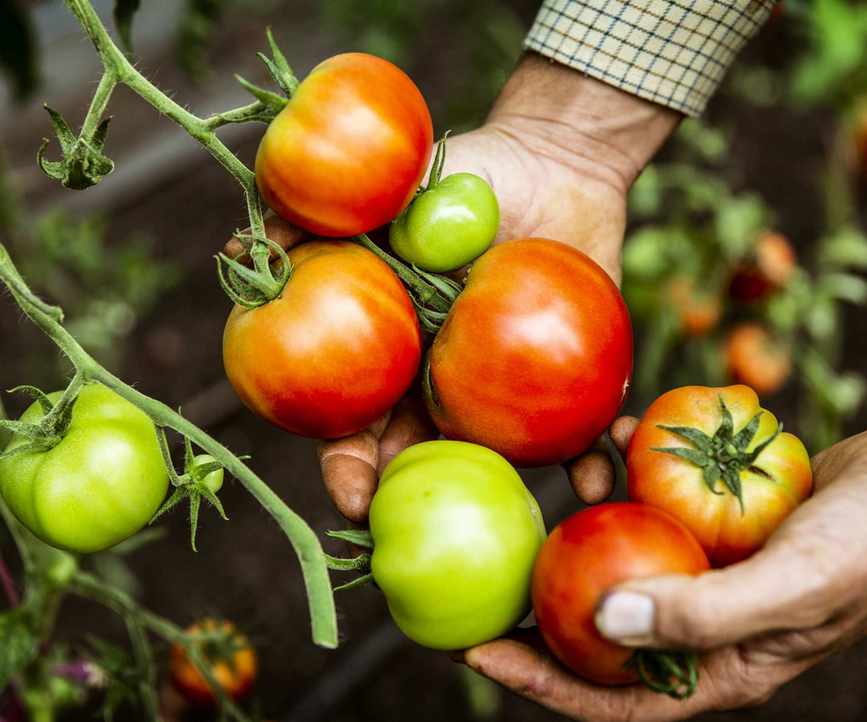
Nourishing plants helps fruits reach ripeness
Timing for Fertilizing Tomatoes
Tomato plants don’t need fertilizer in their early growth stages, from sowing seeds to potting on seedlings.
There are two critical periods for fertilizing: at planting time and just before fruiting begins. A slow-release fertilizer can be applied during planting or shortly afterward, followed by a more regular feeding schedule to support growth and fruit ripening.
Garden expert Christine Walkden emphasizes that regardless of your growing method, tomatoes benefit greatly from consistent summer fertilization. She recommends using a liquid tomato fertilizer once the first flower cluster forms, adhering to the manufacturer’s guidelines for frequency.
Feed your tomatoes every week or two during flowering and fruiting, continuing until the last tomatoes are nearly ripe.

Techniques for Fertilizing Tomatoes
When planting tomatoes, place fertilizer at the bottom of the planting hole, whether it’s homemade compost, well-rotted manure, or a slow-release option. Ensure that fertilizer doesn’t come into direct contact with plant roots.
During the flowering and fruiting phases, you can use granular or liquid fertilizers. Granular feed should be sprinkled around the plants without touching the stems, and it must be well-watered after application.
Liquid fertilizers should be diluted with water and applied at the soil base when watering. Avoid soaking the leaves to prevent potential damage.
Always follow the manufacturer’s recommended rates when using fertilizers. Over-fertilizing can harm roots and disrupt nutrient balance, potentially harming the plant.
Graham Rice, a gardening expert, notes that less feeding and watering can actually enhance tomato flavor. He suggests that while we can’t control the weather, we can influence flavor through proper plant care.
“Flavor is influenced by three factors: the varieties we select, our growing methods, and the weather. While we can't change the weather, we can manage the other two,” he states.
He cautions that excessive watering and fertilizing can detract from flavor. Provide enough, but not too much. This may yield fewer tomatoes, but the taste will improve.
Before applying any fertilizer, water the plants well. Doing so the day before can help the plants absorb nutrients more effectively.

Choosing the Best Fertilizer for Tomatoes
Tomatoes require three primary nutrients: nitrogen, phosphorus, and potassium, collectively known as NPK. The NPK ratio is displayed as three numbers on fertilizer packages, like 10-10-10. Quality tomato fertilizers also include micronutrients crucial for plant health.
Emily Jones, a seasoned tomato grower, suggests that the ideal fertilizer for tomatoes is a well-balanced option, providing calcium and magnesium in addition to NPK.
She advises that both slow-release and liquid fertilizers are effective. Organic options like compost, fish emulsion, and bone meal are also beneficial. Tailor your choice according to the specific needs of your plants and soil, adhering to application guidelines.
During planting, opt for a balanced fertilizer with equal NPK values, such as 10-10-10 or 20-20-20. An example is the Expert Gardener All Purpose Plant Fertilizer available at Walmart.
As the plants begin to flower, switch to a fertilizer higher in phosphorus and potassium to promote flower production and fruit ripening. Increased potassium levels also enhance disease resistance and stress tolerance. A recommended option is Jack's Classic 12-15-30 Tomato Feed available at Amazon.

Common Questions
Can I Create My Own Tomato Fertilizer?
There are several methods to make your own tomato fertilizer. Options include using homemade compost, adding wood ash for potassium, or employing Epsom salt. A popular choice is a liquid comfrey fertilizer known for its potassium content, ideal for boosting flowers and fruits.
Is Miracle-Gro Effective for Tomatoes?
Miracle-Gro offers specialized tomato fertilizers tailored to support healthy plants and fruit production. Options include both granular and liquid forms, such as the 10-5-15 granular Miracle-Gro Shake 'N Feed Tomato, Fruit & Vegetable Plant Food available at Amazon or the Miracle-Gro LiquaFeed Tomato, Fruits & Vegetables Plant Food available at Walmart.
Is Blood and Bone Fertilizer Good for Tomatoes?
Blood and bone, a by-product of the meat industry, is a common fertilizer suitable for various plants, including tomatoes. It’s rich in nitrogen and high in phosphorus, making it beneficial for preventing blossom end rot. Check out Hi-Yield Bone & Blood Meal available at Nature Hills for an example.
Do Tomatoes Appreciate Manure?
Tomatoes flourish in nutrient-rich soil and can benefit from well-rotted manure or compost before planting. Manure releases nutrients slowly, but should be used sparingly and mixed into the soil to avoid excessive nitrogen that could hinder fruit production. Fresh manure can harm plant roots, so ensure it is well-composted before use.
For an optimal tomato harvest, never underestimate the importance of fertilization. Most feeding can be done while watering, making it manageable, and the reward of delicious homegrown tomatoes makes it worthwhile.