Butternut squash is a favored winter squash that's easy to cultivate and yields plentiful fruits. With proper care, each plant can produce numerous tasty squashes.
Having cultivated butternut squash for years, I've enjoyed growing them for restaurants and sharing them with visitors. Today, I continue to grow them at home for various recipes.
If you're interested in growing butternut squash, this guide provides all the essentials, from seed sowing to harvesting and curing.
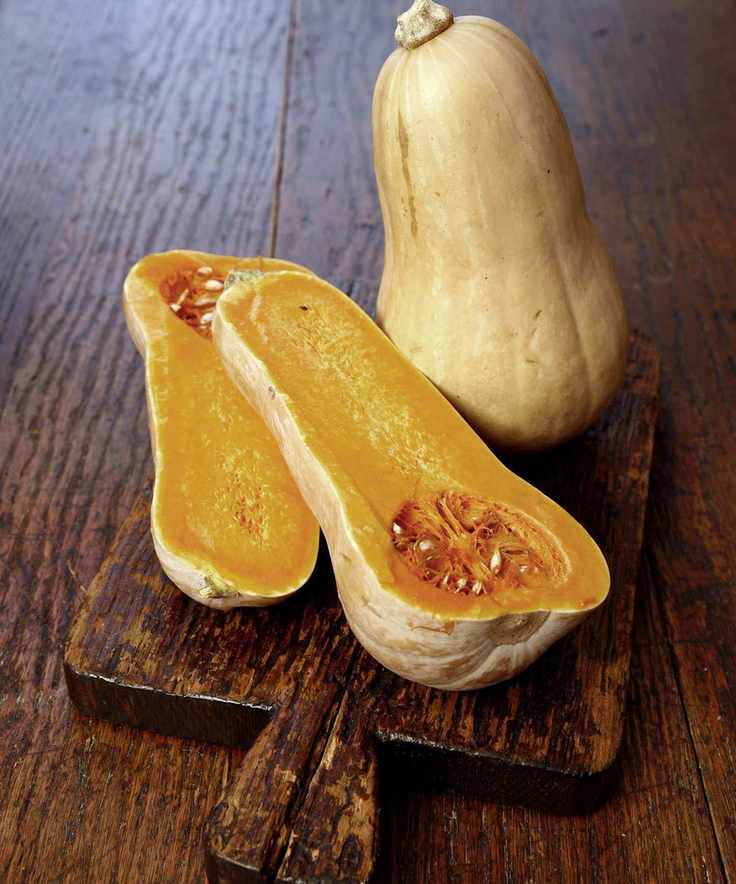
Each butternut squash plant can yield up to six fruits
What is butternut squash?
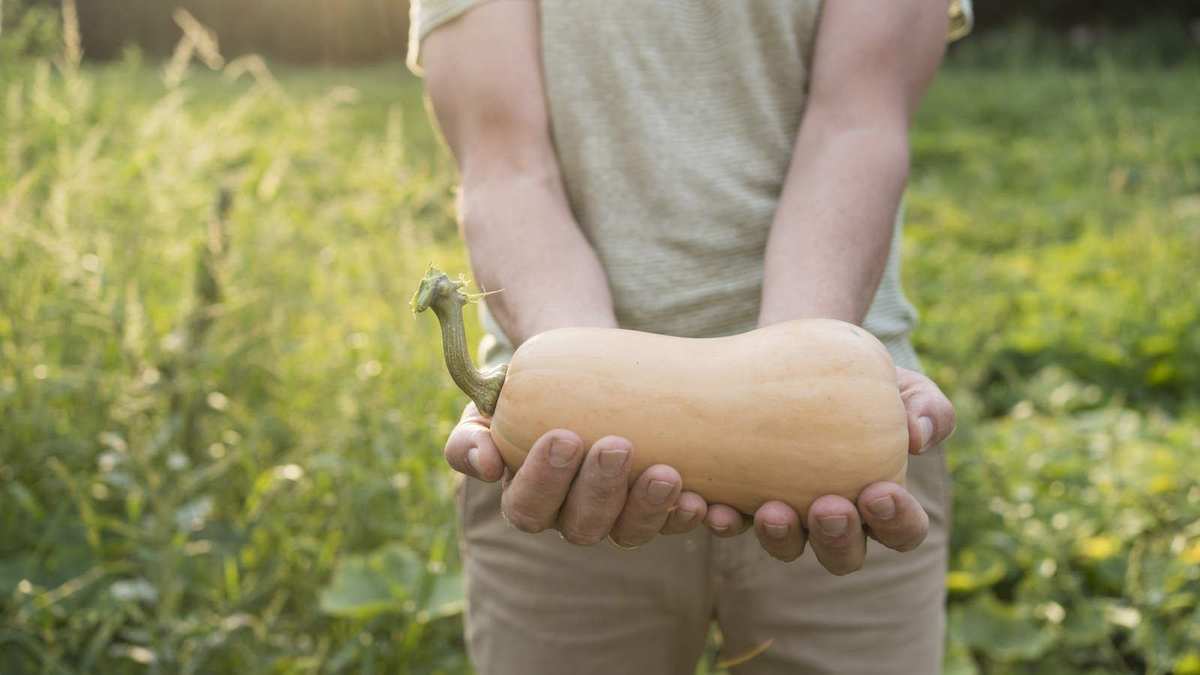
This unique winter squash features a bulbous end and lengthy neck, with ripe skin that turns a light yellow, revealing sweet, orange flesh when cooked.
It's versatile in the kitchen, perfect for roasting, making soups, curries, or lasagna.
Growing butternut squash from seeds

Plant butternut squash seeds on their edges
Butternut squash is easy to grow from seed, whether indoors or outdoors, depending on climate and available space.
Starting seeds indoors can be beneficial, especially in cooler areas where spring soils warm slowly. This method allows for better control of growing conditions.
Butternut squash seeds are large and manageable. Start indoors in April using pots filled with quality soil, planting two seeds per pot about an inch deep, ensuring they lie on their sides to avoid rot from excess moisture.
Maintain soil moisture without over-watering, keeping temperatures between 65-70°F for optimal germination. A greenhouse or warm windowsill works best. Thin seedlings to one strong plant per pot.
Once seedlings are ready, transplant them outdoors in late May after hardening off, once frost risks have passed.
Alternatively, you can sow seeds outdoors after the last frost, once soil temperatures reach 65°F. Prepare the planting site and sow seeds an inch deep, 12 inches apart, ensuring adequate moisture and spacing for growth.
SHOP BUTTERNUT SQUASH SEEDS
Waltham Butternut Squash Seeds: A winning variety with improved uniformity and higher yields.
Big Chief Butternut Squash Seeds: This hybrid produces larger fruits and matures in about 110 days.
Pilgrim Butternut Squash Seeds: A hybrid that thrives in diverse growing conditions.
Where and how to plant butternut squash
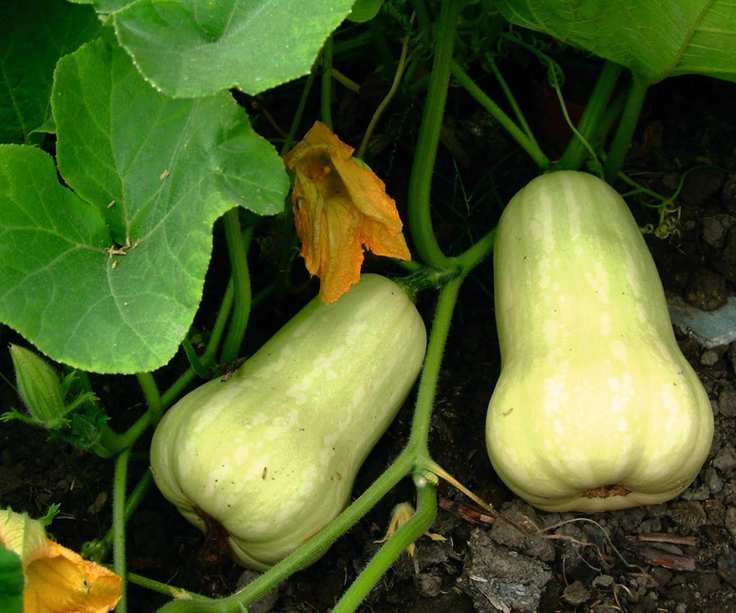
Choose a sunny location for optimal fruit ripening
Choosing the right location is crucial. Butternut squash thrives in sunny spots, requiring 6-8 hours of sunlight daily.
These plants prefer fertile, well-draining soil. Enrich the soil with organic matter like compost or well-rotted manure for a good start.
They can spread up to 15 feet, requiring ample space. Plant them 3-5 feet apart and consider using 18-inch high mounds for better drainage.
Essential care tips for growing butternut squash
While butternut squash is simple to care for, pay attention to these key areas.
Watering
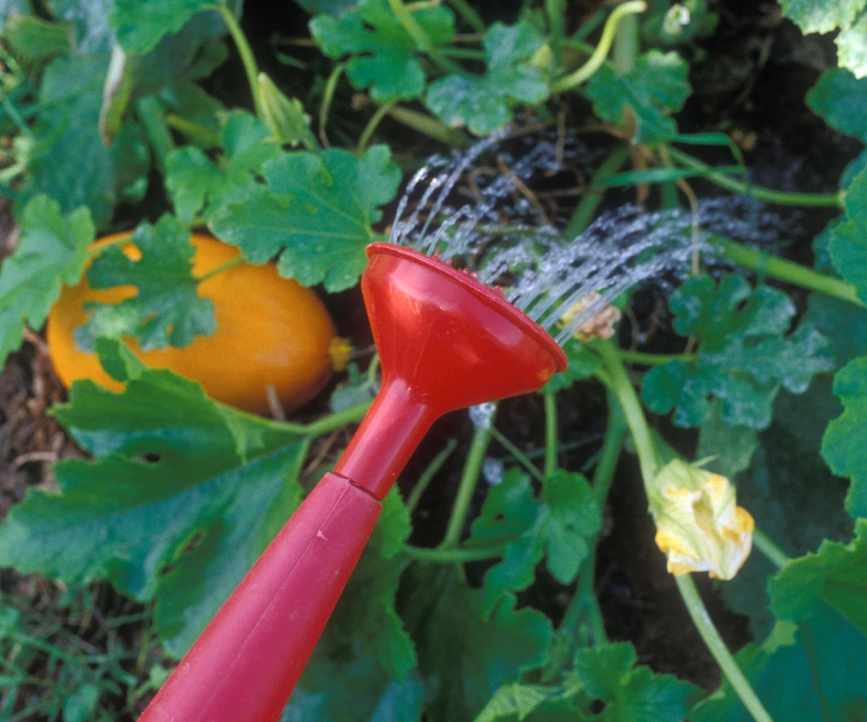
Regular watering is essential, especially during dry spells
Butternut squash needs consistent watering throughout its growth. Since the plants can sprawl, use markers to help locate watering spots.
Ensure the soil remains consistently moist, providing at least an inch of water weekly. Mulching helps retain moisture and suppress weeds.
Water at the base of the plant to avoid wetting the leaves, which can increase the risk of fungal diseases. Deeper, less frequent watering is preferable to shallow, frequent watering.
Feeding
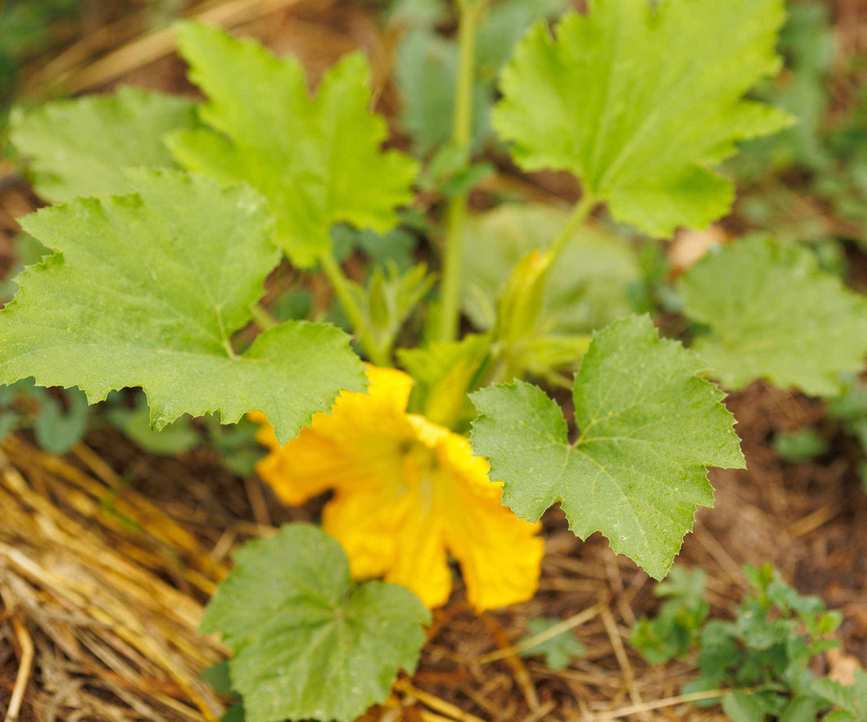
Butternut squash plants produce vibrant yellow flowers
Butternut squash is a hungry plant that requires regular feeding throughout the growing season.
Begin with nutrient-rich soil and slow-release fertilizer at planting. As flowering begins, switch to liquid feed every two to three weeks to support fruit development. High-potassium fertilizers like tomato fertilizers or homemade comfrey fertilizers work well.
SHOP FERTILIZERS FOR BUTTERNUT SQUASH
Osmocote Smart-Release Plant Food: A balanced fertilizer for strong roots and robust growth.
Organic Chicken Manure Fertilizer: An organic option with an NPK of 5-3-2, ready to use.
Tomato Plant Food: Miracle-Gro Water Soluble Tomato Plant Food for bigger yields.
Pests
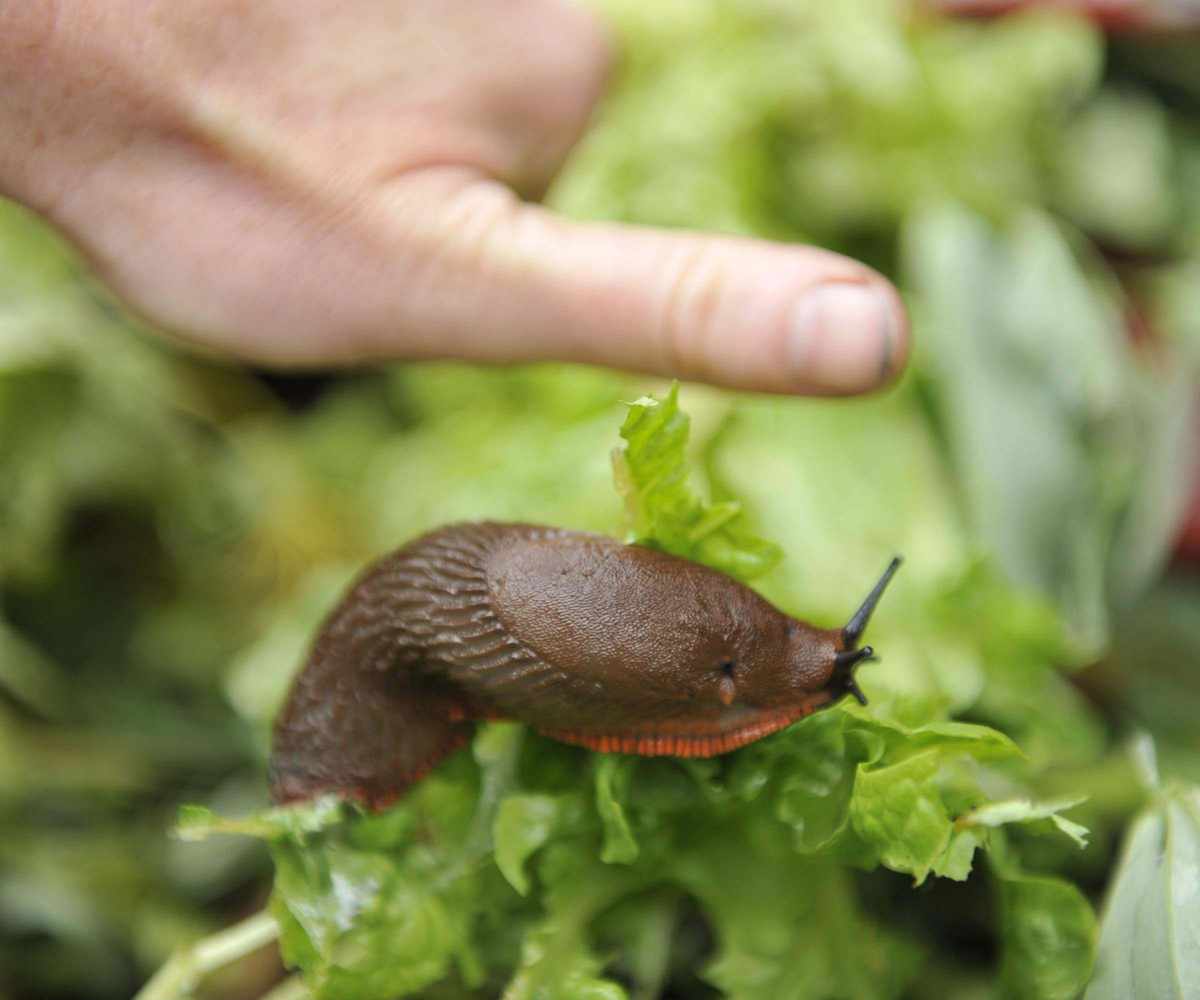
Slugs can harm young butternut squash plants
Monitor for pests like slugs and snails, which can damage young plants. Use methods such as planting repellent plants or employing natural solutions like nematodes and copper tape.
Squash bugs can also pose a threat. They sap the plants, causing wilting. Remove visible eggs and treat affected areas with warm soapy water or insecticidal soap.
Harvest
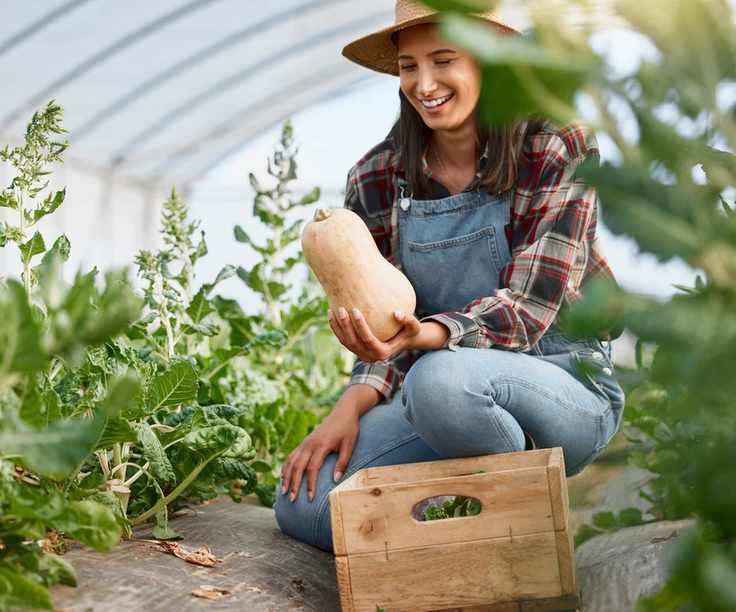
Handle butternut squash carefully during harvest
Harvest butternut squash in fall, typically September to October. They need to ripen fully on the vine before frost hits.
Indicators of ripeness include a light yellow skin and hard texture. Cut the squash from the vine, leaving 3-4 inches of stem attached, avoiding picking it up by the stem to prevent damage.
Store harvested squash in a warm, dry area for 1-2 weeks to cure, enhancing its storage life of up to six months.
Growing butternut squash in pots
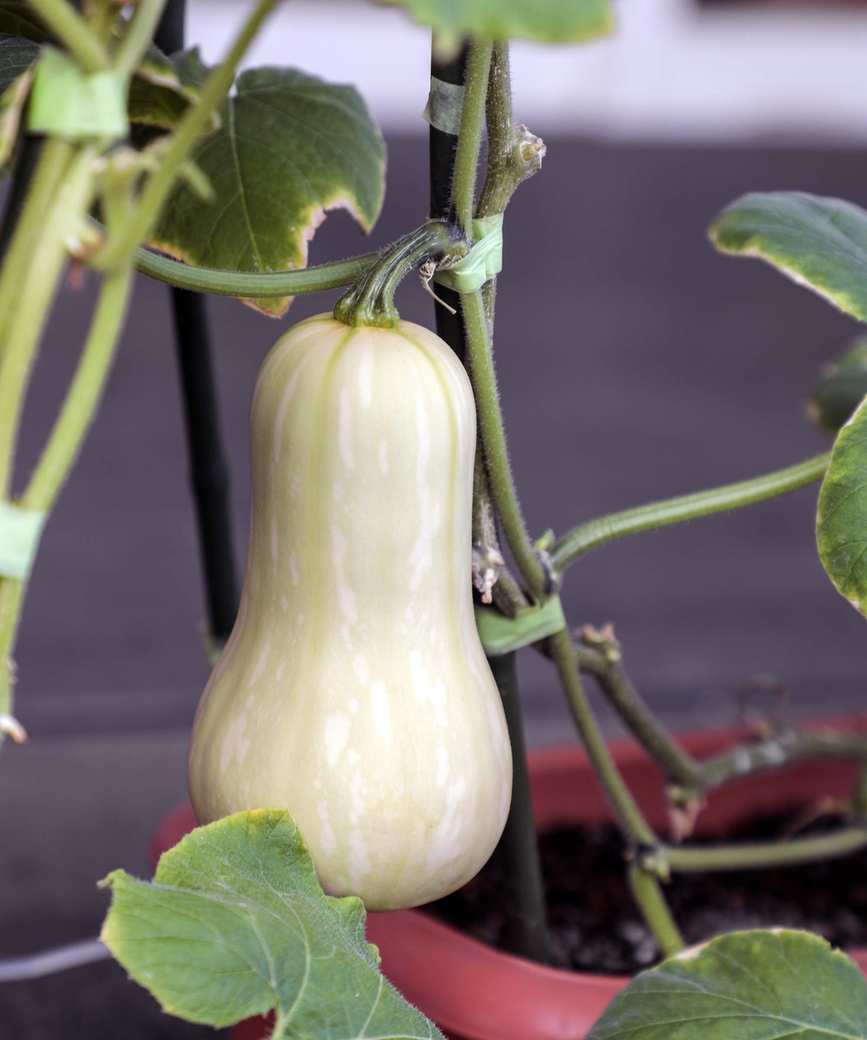
Vertical growing in pots can save space
Butternut squash can be grown in containers with compact bush varieties like Butterbush squash, which are more suited for pot cultivation.
Select a large container, at least 20 inches wide and 12 inches deep, ensuring it has drainage holes and quality potting soil. Regular watering and feeding are crucial; use slow-release fertilizer at planting and switch to liquid feed as flowering begins.
FAQs
How long does it take to grow butternut squash?
Typically, butternut squash takes about 3-4 months from sowing seeds to harvesting ripe fruits. Starting seeds indoors can be advantageous in cooler climates, ensuring healthy plants ready for the garden after frost.
How many butternut squash can you get from a plant?
You can expect 4-6 sizable fruits per plant, depending on variety, weather, and care.
While butternut squash is a winter variety harvested in fall and often stored, summer squash varieties like zucchini and patty pan are best enjoyed fresh from the vine during midsummer.