
Swiss chard is a remarkable addition to any vegetable garden and deserves a spot in your kitchen garden too. This easy-to-grow plant offers impressive yields and can provide harvests for nearly the entire year.
Not only is Swiss chard productive, but it also adds visual appeal to your garden. With its tall stems and vibrant colors—ranging from red and yellow to pink and white—this vegetable stands out beautifully. Varieties like 'Bright Lights' showcase a spectrum of colors that enhance any garden.
After years of growing Swiss chard, I've learned that timing is essential for maximizing your harvest. For a steady supply of leaves, consider planting Swiss chard twice annually.
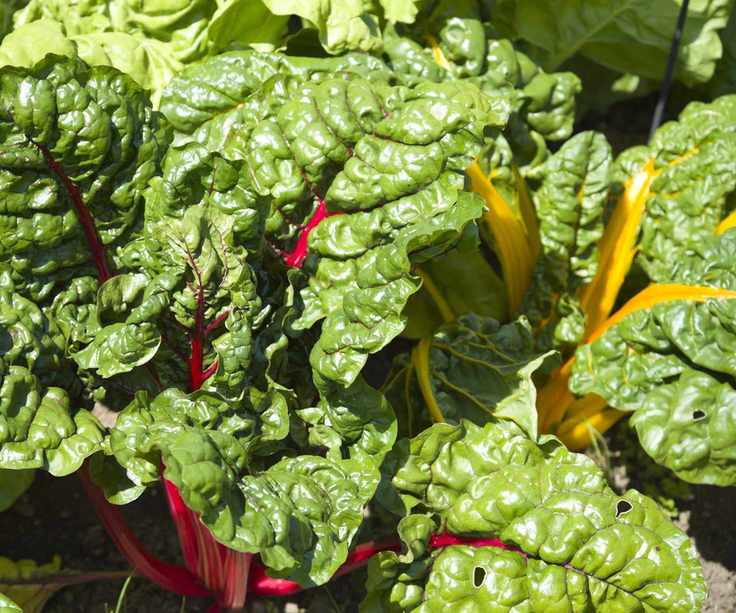
Swiss chard can be harvested repeatedly as a cut-and-come-again crop
Ideal Locations for Swiss Chard
Swiss chard thrives in sunny areas and is straightforward to maintain. While it prefers full sun, it can also grow well in shaded spots. This adaptable vegetable can flourish in traditional garden beds, raised beds, or containers, making it a perfect choice for small vegetable gardens.
Let's explore the best times to plant Swiss chard for your kitchen garden.
Timing for Planting Swiss Chard Seeds
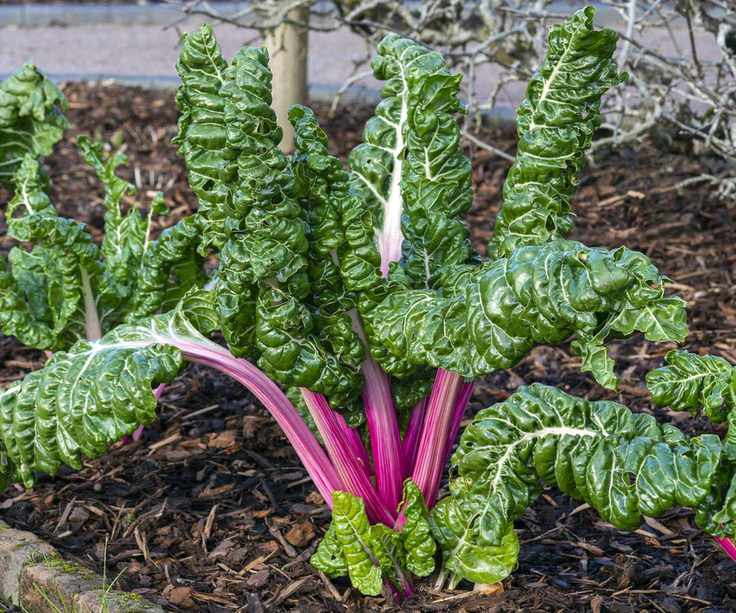
Swiss chard is available in a variety of beautiful hues
You can plant Swiss chard seeds during two main timeframes. By planning your seed-sowing schedule effectively, you can ensure a continual harvest.
The first opportunity to sow Swiss chard seeds outdoors is mid-to-late spring, once the soil temperature hits at least 50°F. If your region experiences colder weather, consider starting seeds indoors earlier in the season for young plants ready to transplant after frost danger passes.
Spring-sown chard will yield harvests from summer through fall and can be picked even in winter, thanks to its hardiness as an easy vegetable to cultivate.
A second sowing can occur in mid-to-late summer, either directly in the garden or indoors in a cold greenhouse or cold frame. This planting will provide spring harvests, taking over from the earlier plants.
Swiss Chard Seed Options
Swiss Chard 'Bright Lights'
This striking seed mix boasts stems in gold, pink, and crimson, along with a few plants in white and pink stripes, orange, scarlet, purple, green, and white.
Swiss Chard 'Pink Lipstick'
Named for its vivid pink stems and veins, Pink Lipstick Swiss Chard adds a pop of color to your garden and brightens your meals.
Swiss Chard 'Fordhook Giant'
An heirloom favorite, Fordhook Giant Swiss Chard produces lush green leaves and stems, making it ideal for raised beds or container gardening.
Planting Swiss Chard Plants
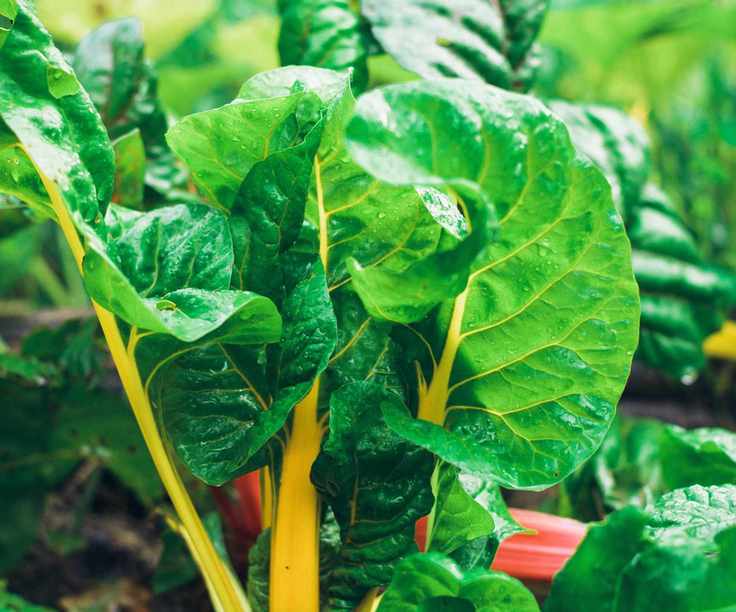
Start Swiss chard seeds indoors in spring to get ahead
You can purchase Swiss chard plants from garden centers to establish in your backyard. Typically available in spring, these plants should be placed outdoors once frost risks are over in your area and your US hardiness zone.
If you're transplanting seedlings started indoors, ensure they have a strong root system before moving them outdoors. Once they are robust enough, plant them after the last frost.
Planting Swiss chard undercover in late summer or early fall can also be advantageous. It's a wonderful vegetable to grow in a greenhouse during fall, allowing for an earlier spring crop when garden harvests are scarce.
After planting, consider applying mulch around Swiss chard to conserve soil moisture and minimize weed competition.
Spacing Swiss Chard Plants
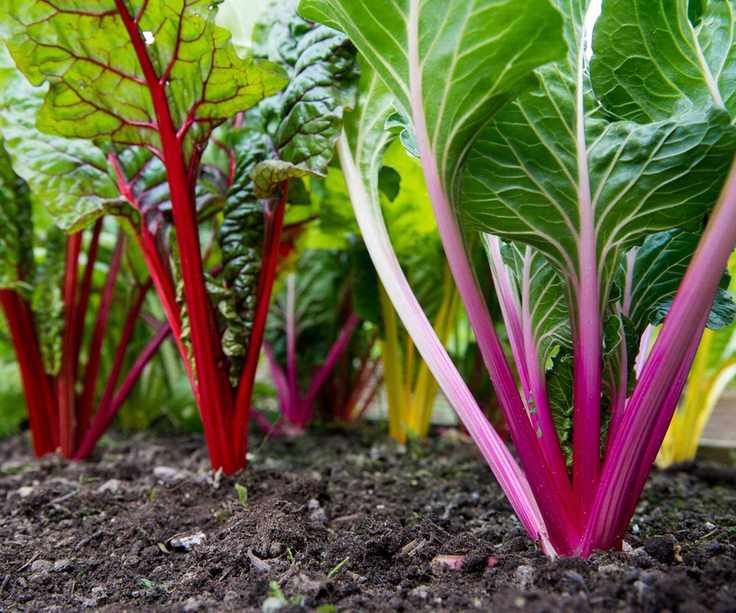
Plant Swiss chard after frost risks have passed
Swiss chard seeds should be planted an inch deep, spaced four inches apart. If planting in rows, keep them 18 inches apart. As seedlings grow, thin them to maintain 18 inches of space between plants. You can use the thinned seedlings in salads.
Leave approximately 18 inches between plants to allow them to grow to their full size. Crowding can hinder growth, decrease yield, and increase the risk of fungal diseases.
Ensure there's enough space around the plants for safe harvesting without damaging others.
Companion Planting Insights
Best Companion Plants for Swiss Chard
Companion planting can boost the growth of Swiss chard and help deter pests. Pairing alliums like garlic, onions, or leeks with chard is beneficial, as their strong scents repel many pests. Additionally, planting marigolds effectively keeps bugs away from chard, including nematodes.
Companion Plants to Avoid with Swiss Chard
While some plants pair well with chard, others should be avoided. Steer clear of spinach, beets, potatoes, corn, and cucumbers.
Swiss chard is an excellent choice for a container garden. Plant one in a pot that is at least 12 inches wide and 8 inches deep for a bountiful harvest. You can either sow seeds directly into the pot or transplant young plants.