When I welcomed my first child in March 2020, little did I know that the world was changing drastically. As we stepped inside with our newborn, everything felt different. The community support I had hoped for vanished, leaving me to navigate recovery alone. I relied on convenience for meals and neglected my own health. This guide serves as a resource for nurturing yourself or a new mom in your life.
Alongside nutritional guidance, you’ll find freezer-friendly recipes, helpful supplements, and lifestyle tips for a vibrant postpartum journey.
Understanding the Postpartum Period
The postpartum phase, also known as the puerperium, follows childbirth and lasts around six weeks, but it can vary. This time is marked by the uterus returning to its pre-pregnancy size and involves three stages: the acute phase (6-12 hours post-delivery), the subacute phase (six weeks), and the delayed phase (up to six months). It’s a vital time for healing and bonding with your baby.

Common Misunderstandings
Postpartum is often misunderstood and overlooked. Many new parents mistakenly believe the period ends after six weeks, but recovery can extend for a year or more. Hormonal and emotional adjustments require time, and understanding this can help set realistic expectations for the transition into motherhood.
A Time for Healing
In those early weeks, you’re not just bonding with your baby; you’re also discovering your new role as a mother. The physical, mental, and emotional shifts can be overwhelming, especially for first-time moms. As a Certified Nutrition Consultant focusing on postpartum nutrition, I’m dedicated to supporting women during this delicate period. It’s essential to prioritize healing and rest.

Hormonal Changes After Birth
During pregnancy, levels of estrogen and progesterone rise significantly. After childbirth, these hormones drop sharply, allowing breastfeeding hormones like prolactin and oxytocin to take over. While oxytocin helps with bonding and uterine contractions, this hormonal shift can lead to emotional turbulence.
The Baby Blues
These hormonal changes affect emotional stability, leading to the “baby blues,” characterized by feelings of sadness and overwhelm. While these feelings may last a few days to two weeks, they can persist longer. If accompanied by anxiety or inability to perform daily tasks, seek help for potential postpartum depression.

Physical Changes After Childbirth
Postpartum hormonal fluctuations can lead to various physical changes. Low estrogen levels can cause hot flashes, pelvic floor issues, vaginal dryness, and hair loss (telogen effluvium), although normal hair growth typically resumes within 6-15 months. Supporting your body through these changes is essential.

Supporting a Healthy Recovery
Before diving into nutrition specifics, let’s explore lifestyle habits that can enhance recovery.
Prioritize Rest
Rest is crucial during this time. Nap whenever possible and seek help from friends and family. Sleep deprivation can lead to increased sugar cravings and weight gain.
Stay Hydrated
Hydration supports overall health and is vital for breastfeeding moms. Incorporate bone broth and herbal teas for digestive support and mineral replenishment.
Incorporate Physical Activity
When cleared for exercise, movement can greatly enhance physical and mental well-being. Regular activity helps with detoxification and stabilizes postpartum hormones. Whether you prefer pilates, strength training, or walking, consistency is key.
Seek Emotional Support
Your community is eager to assist. Reach out to friends and family for help with chores and meal preparation. Consider working with a postpartum doula for additional support.
Importance of Postpartum Nutrition
Nutrition plays a vital role in recovery, energy levels, milk production, and emotional health. Adequate nutrients are essential for tissue repair and maintaining energy, crucial for caring for a newborn. If breastfeeding, caloric needs increase significantly, and certain nutrients can impact mood and help manage postpartum depression.
Nourishing Postpartum Foods
Nutrition Priorities After Birth
In the early postpartum days, opt for nutrient-dense, easily digestible meals such as soup with sourdough, cooked veggies with soft-boiled eggs, and steel-cut oats topped with almond butter and anti-inflammatory fruits. Your digestive system will be adjusting, so gentle foods are best.
Caloric Needs
Breastfeeding moms typically require 300-1,000 extra calories daily, meaning increased needs for all macronutrients and micronutrients.
Balance Macronutrients
Postpartum mothers need a balance of carbs, protein, and fats. Energy-rich starchy carbs support milk supply, while protein aids in tissue repair (aim for 25-40 grams per meal). Healthy fats stabilize blood sugar and nourish breast milk.
Support Digestion
A raw salad may seem healthy, but during the fourth trimester, it can hinder digestion. Cooked and fermented vegetables are easier on the digestive system. Consider a digestive enzyme if you anticipate digestive issues.
Key Micronutrients for Recovery
Focus on specific micronutrients that enhance postpartum health.
Choline Sources
Choline is vital for mental health and baby’s brain development.
- Poultry: Eggs and chicken breast.
- Liver: Extremely rich in choline.
- Soy: A plant-based choline source.
Folate Sources
Folate aids in cell production and tissue repair, preventing anemia.
- Greens: Asparagus, spinach, kale, arugula.
- Legumes: Lentils, chickpeas, black beans.
- Fruit: Avocado, oranges.
Omega-3 Sources
Omega-3 fatty acids help balance hormones and support brain function.
- Fish: Salmon, mackerel, sardines.
- Cruciferous vegetables: Brussels sprouts.
- Nuts and seeds: Walnuts, chia seeds, hemp seeds.
Iron Sources
Iron replenishes blood loss during childbirth and boosts energy.
- Red meat: Beef, lamb.
- Leafy greens: Spinach, kale, swiss chard.
- Fortified cereals: Many are fortified with iron.
- Nuts and seeds: Pumpkin seeds, almonds, cashews.
Calcium Sources
Calcium supports bone health, especially for breastfeeding mothers.
- Dairy: Organic milk, cheese, yogurt.
- Leafy greens: Broccoli, bok choy, kale.
- Fortified plant milks: Almond, soy, or flax milk.
Fiber Sources
Fiber aids digestion and prevents postpartum constipation.
- Whole grains: Oats, quinoa, brown rice.
- Fruits: Apples, pears, berries, bananas.
- Vegetables: Carrots, sweet potatoes, peas.
- Legumes: Beans, lentils, chickpeas.
Don’t forget magnesium, zinc, and B vitamins!
Top Six Postpartum Foods
Here are six key foods to have on hand during postpartum recovery.
1. Bone Broth
Bone broth is nutrient-dense and aligns with traditions of serving warm, healing foods to new mothers.
2. Fermented Foods
Fermented ingredients support digestion and nourish breast milk. Think kimchi, miso, tempeh, kefir, and sauerkraut.
3. Nut Butters
Nut butters are rich in monounsaturated fats, which help stabilize blood sugar and combat fatigue. Coconut is another beneficial fat for breastfeeding.
4. Sardines
Sardines provide essential nutrients like DHA, calcium, and vitamin D3 and are conveniently available canned.
5. Root Vegetables
Comforting root veggies like beets and squash are easy to roast and pair well with healthy fats for nutrient absorption.
6. Grass-Fed Liver
Liver is rich in iron and vitamin A, supporting immune function and tissue repair. If you’re hesitant to eat liver, consider a grass-fed liver supplement.
Warming Spices for Recovery
Warming spices can aid recovery by enhancing circulation.
- Turmeric: Supports uterine health and has anti-inflammatory properties.
- Ginger: Aids digestion and supports lactation.
- Cinnamon and Cardamom: Help improve circulation and energy levels. Add them to meals for flavor.

Foods to Enhance Lactation
Certain foods and herbs can boost milk production. Focus on oats, fenugreek, brewer’s yeast, fennel seeds, and garlic. Staying hydrated with water, herbal teas, and high-water fruits is also essential.
Postpartum Supplements
While food is the primary nutrient source, some supplements can aid recovery:
Prenatal Vitamins: Continue your prenatal vitamins for essential nutrients. Recommended brands include Perelel and WeNatal.
Omega-3 Fatty Acids: Fish oil supports inflammation and brain health.
Vitamin D: Important for bone health and immune function, especially in low sunlight.
Probiotics: Support gut health and digestion.
Iron: If your iron levels are low, supplementation may be necessary.
Preparing Healthy Freezer Meals
Nourishing foods are essential for recovery and energy while caring for a newborn. Ideally, family and friends can provide meals, but preparing healthy freezer meals before your baby arrives is also helpful.
1. Turmeric Chicken Soup
This soup features easily accessible ingredients and is packed with anti-inflammatory benefits. Prepare a large batch for multiple meals.
Other recommended soups: Curry Red Lentil and Vegan Butternut Squash.
2. Morning Glory Muffins
These muffins make a great snack; simply heat them in the microwave for a quick energy boost.
3. Asparagus Frittata
Eggs are rich in choline and vitamin D. Prepare this frittata, slice it, and store it in the freezer for convenient meals.
4. Chicken Burger Lettuce Wraps
Make these patties ahead of time, freeze them, and enjoy over greens or in a sandwich.
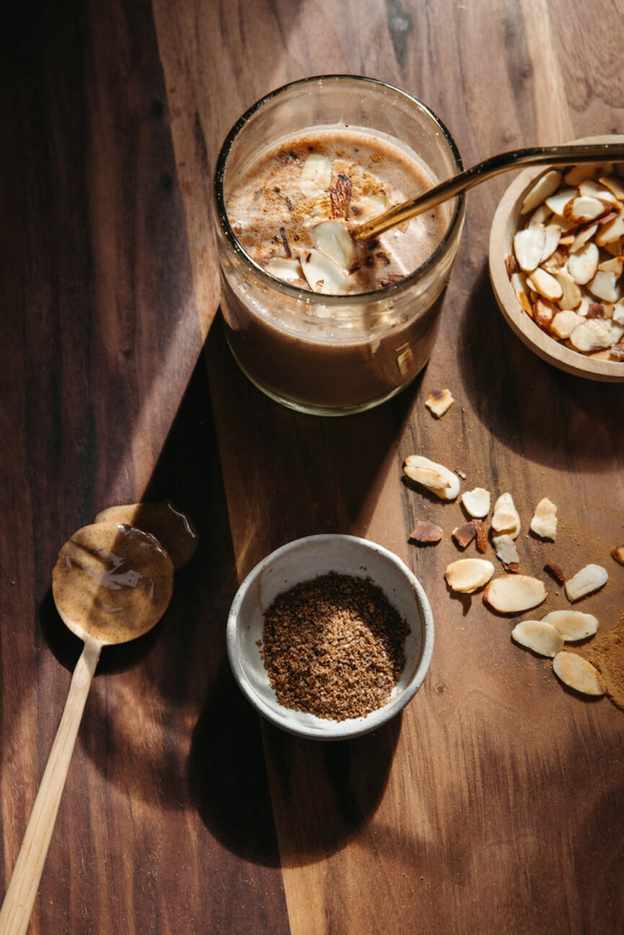
5. Chocolate Banana Almond Butter Smoothie
Prepare smoothie bags with fruit, protein powder, and seeds in advance for a quick, hydrating snack.

Meal Delivery Services for Postpartum Support
Consider these meal delivery services for convenient, nutritious postpartum meals:
- Chiyo: Combines food therapy and nutrition science for holistic postpartum care.
- Milky Oat: Offers a six-week program for postpartum nutrition, with many satisfied customers.
- Kitchen Doula: Provides nourishing meals for new mothers, aiding in recovery.
- Territory: Not exclusively postpartum, but offers healthy meals crafted by local chefs.