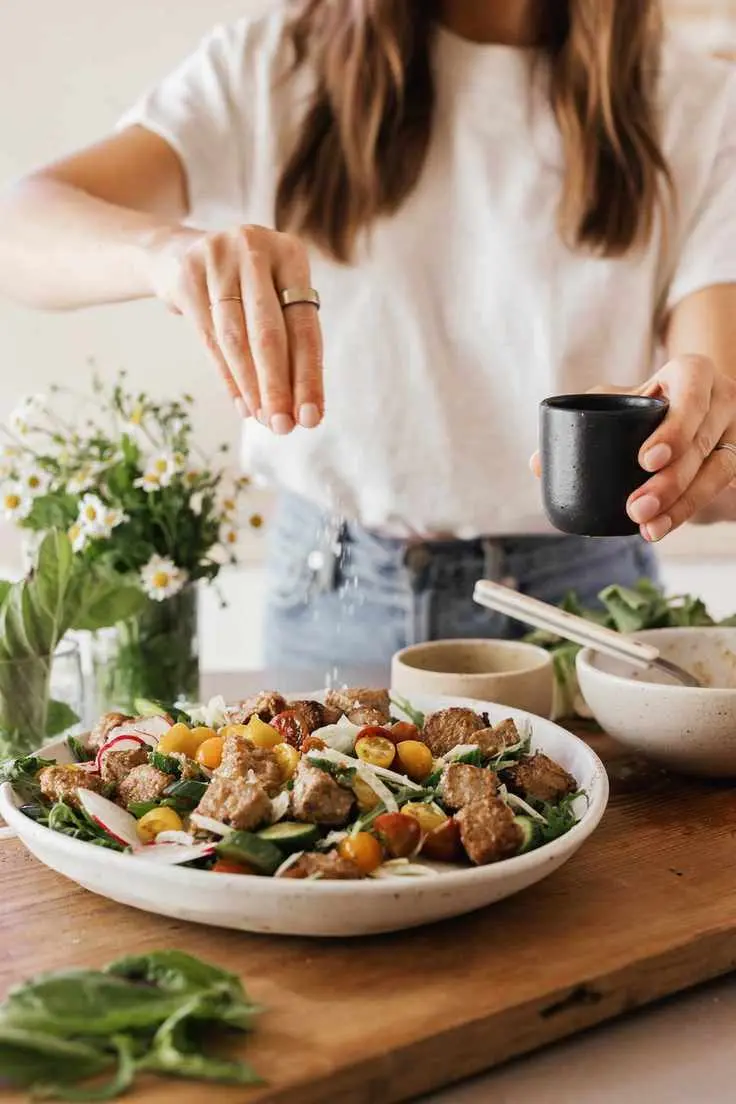
Have you noticed that your coffee habit has shifted from a delightful ritual to a must-have? As a nutrition consultant, I often hear people express their struggle with diminishing energy levels, feeling like they're chasing vitality instead of enjoying the moment. While stress and sleepless nights often get the blame, low iron is a significant yet frequently overlooked factor. Even mild iron deficiency can leave you feeling more exhausted than your lifestyle indicates. That's why focusing on iron-rich foods is a practical way to boost your energy sustainably.

The Importance of Iron
Iron plays a crucial role in producing hemoglobin, the protein in red blood cells responsible for oxygen transport throughout the body. When iron levels dip, oxygen delivery falters, leading to fatigue. What's fascinating about iron is its broad impact on daily life. Sufficient levels support mental clarity, physical stamina, immune function, and hormonal balance. When your stores are low, the consequences can be glaringly apparent. Those who know, know: this deficiency can be hard to pinpoint.
Why Women Face Higher Deficiency Risks
Did you realize that iron deficiency is more common among women? This trend is primarily due to menstruation, pregnancy, and an increased tendency to under-eat. Heavy menstrual cycles can steadily reduce iron levels over time. When you add restrictive diets, especially plant-based ones, or rigorous training routines into the mix, the risk can escalate quickly. Often, I encounter women who dismiss symptoms like fatigue, headaches, or unusual cravings, which warrant further exploration.
Symptoms of Low Iron Levels
Iron deficiency can develop gradually. Fatigue usually leads the charge, followed by weakness, pallor, headaches, shortness of breath, brittle nails, hair loss, cold sensitivity, dizziness, or restless legs. As symptoms progress, many women adapt without recognizing the changes. If you suspect low iron, it's wise to consult a healthcare provider and have the following tested:
- Ferritin
- Hemoglobin
- Serum iron
- Transferrin saturation
This testing provides a clearer picture of your iron status.
Types of Dietary Iron
Now that we understand the importance of iron, let's look at the different types present in food. Dietary iron comes in two forms:
- Heme iron, found in animal products, is absorbed more efficiently by the body. If you include meat in your diet, this is beneficial! Moderate portions can greatly enhance your iron levels.
- Non-heme iron, found in plant sources, is still valuable but requires certain conditions for optimal absorption. You can meet your iron needs on a plant-based diet, but it requires careful planning.
Iron-Rich Foods
Instead of zeroing in on just one category, it's beneficial to explore various food sources of iron. Diversity matters.
Sources of Heme Iron
- Beef
- Lamb
- Poultry (especially dark meat)
- Shellfish (oysters, clams, mussels)
- Organ meats (like liver)
Sources of Non-Heme Iron
- Lentils
- Beans
- Tofu
- Spinach
- Quinoa
- Pumpkin seeds
- Dark chocolate
Iron-Rich Fruits
- Dried apricots
- Raisins
- Prunes
- Dates
- Figs
- Mulberries
- Blackberries
- Raspberries
While fruits aren't the most concentrated source of iron, these options can still contribute significantly—especially dried varieties, which pack more nutrients. Many also contain vitamin C, enhancing the absorption of non-heme iron.
Enhancing Iron Absorption
Speaking of vitamin C, let's discuss absorption. Consuming iron-rich foods is crucial, but how well your body absorbs them is what truly matters.
Combine Iron With Vitamin C
Vitamin C greatly boosts non-heme iron absorption. A squeeze of lemon on salads, berries with overnight oats, or sautéed bell peppers with lentils can make a significant impact.
Cook in Cast Iron
Using cast iron cookware, especially with acidic ingredients (like tomatoes or vinegar), can subtly increase the iron content of your meals. It's a simple change that benefits you!
Be Aware of Timing
Caffeine, tea, and calcium-rich foods can hinder iron absorption if consumed at the same time. You don't need to cut them out—just space them from iron-rich meals for better results.
Final Thoughts
Although iron isn't always the focus in wellness discussions, its impact on your daily energy is undeniable. If persistent fatigue becomes the norm, making small, intentional dietary changes can create a noticeable difference. As seasons shift, prioritize nourishing meals filled with iron-rich foods to help rejuvenate your vitality this spring.
This article was updated on March 18, 2026, to reflect new findings.