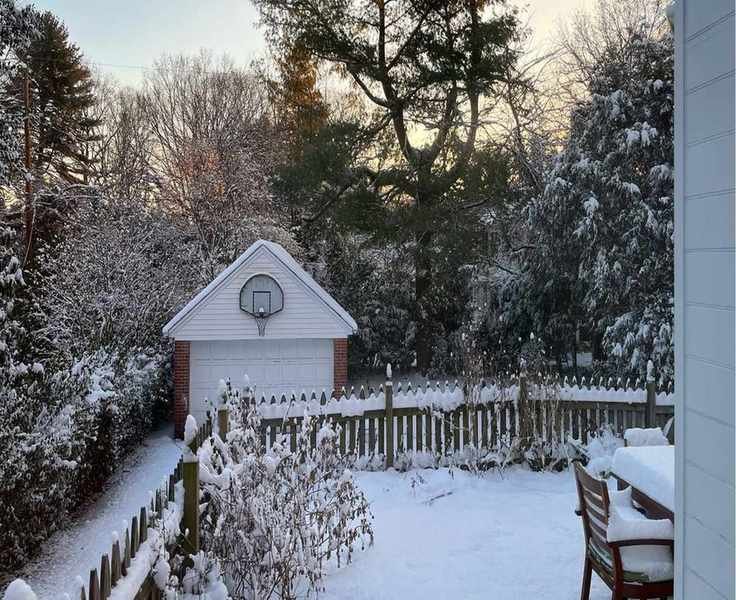
Your backyard may seem dormant during winter, but essential tasks must be handled to ensure a vibrant spring garden.
Preparing for winter isn't just about protecting your plants; it also ensures your outdoor furniture withstands the cold. Plus, engaging in activities like feeding wildlife can be rewarding.
This winter gardening checklist will keep your yard safe and secure, setting the stage for a flourishing spring.
13 Essential Winter Gardening Tasks
These 13 tips will help you protect your plants and equipment until warmer days return. Here's your winter checklist:
1. Keep Hard Surfaces Safe
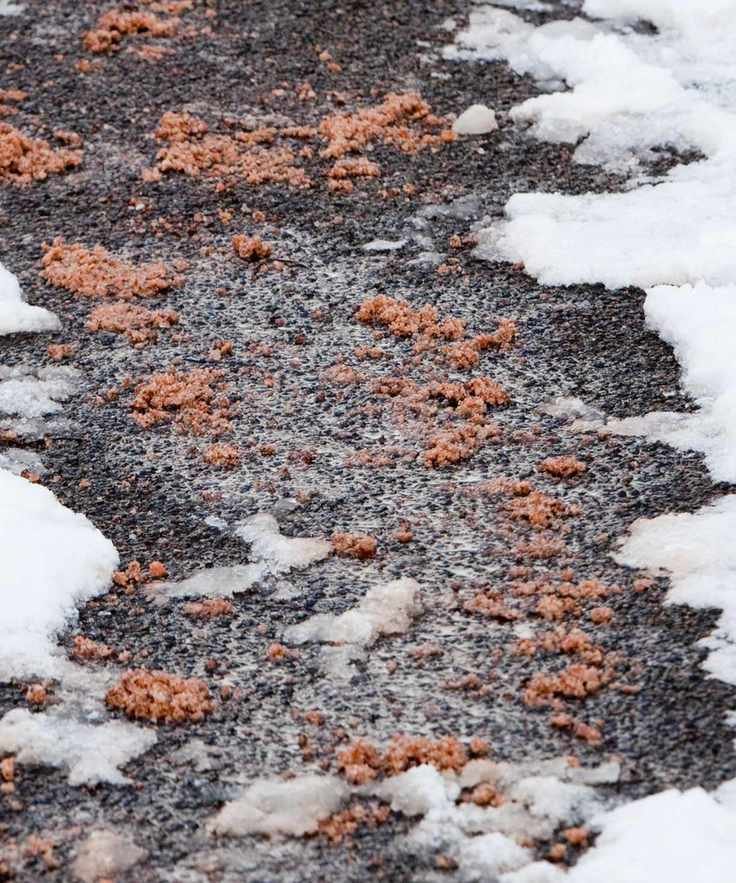
Use grit or salt to maintain safe, ice-free paths and patios
Winter can render patios, paths, and decks dangerously slick due to leaves, algae, frost, and ice. Regular maintenance is crucial.
Start by clearing leaves and debris, then power wash the surfaces using a highly-rated cleaner that's safe for pets and wildlife.
Sprinkle salt and grit on frosted areas, and consider installing non-slip strips on steps and decking with options like this Grip Tape available on Amazon.
'Sealing pavers protects against water and ice damage,' notes landscaping expert Joe Raboine. 'It should be done every three years,' he adds. Use a sealant from Amazon for this task.

Joe leads the Belgard Residential Program. With over 25 years as a contractor, he emphasizes the value of outdoor living for homeowners.
2. Safeguard Outdoor Water Sources
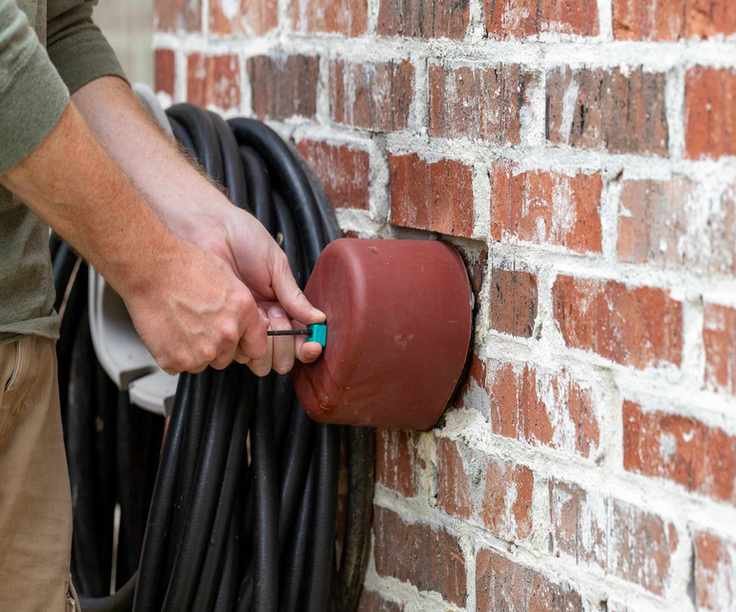
Insulate outdoor faucets to prevent bursting
To avoid burst pipes, cover outdoor faucets after draining them. Use insulated faucet covers like this double pack from Amazon.
Drain hoses and winterize your sprinkler system, storing them in a frost-free space.
Clear drains of outside sinks to prevent freezing water from causing cracks.
'A useful trick is to introduce air into water lines,' suggests Dr. Larry Stein. 'This helps water expand without breaking the pipes,' he explains.
Water features should also be drained or insulated to prevent damage in freezing conditions.

Dr. Larry Stein has extensive experience as a horticulturist, focusing on various crops and horticultural practices.
3. Prepare the Greenhouse
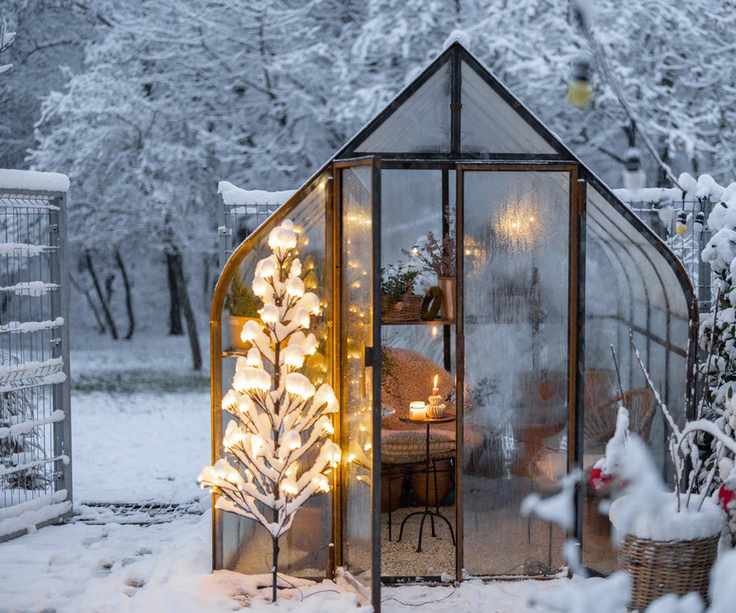
Insulate your greenhouse with bubble wrap
Don't forget about winterizing your greenhouse. Keep plants pest-free, continue harvesting winter salads, and care for overwintering citrus.
If possible, heat your greenhouse using an electric warmer with a thermostat, like this outdoor heater from Amazon.
For unheated greenhouses, wrap plants in a frost protection blanket or bubble wrap during cold snaps, removing it once temperatures rise to prevent mold.
Attach bubble wrap to the greenhouse frame using clips for easy insulation. Remember to ventilate on mild days by opening doors and windows.
4. Clean and Store Tools
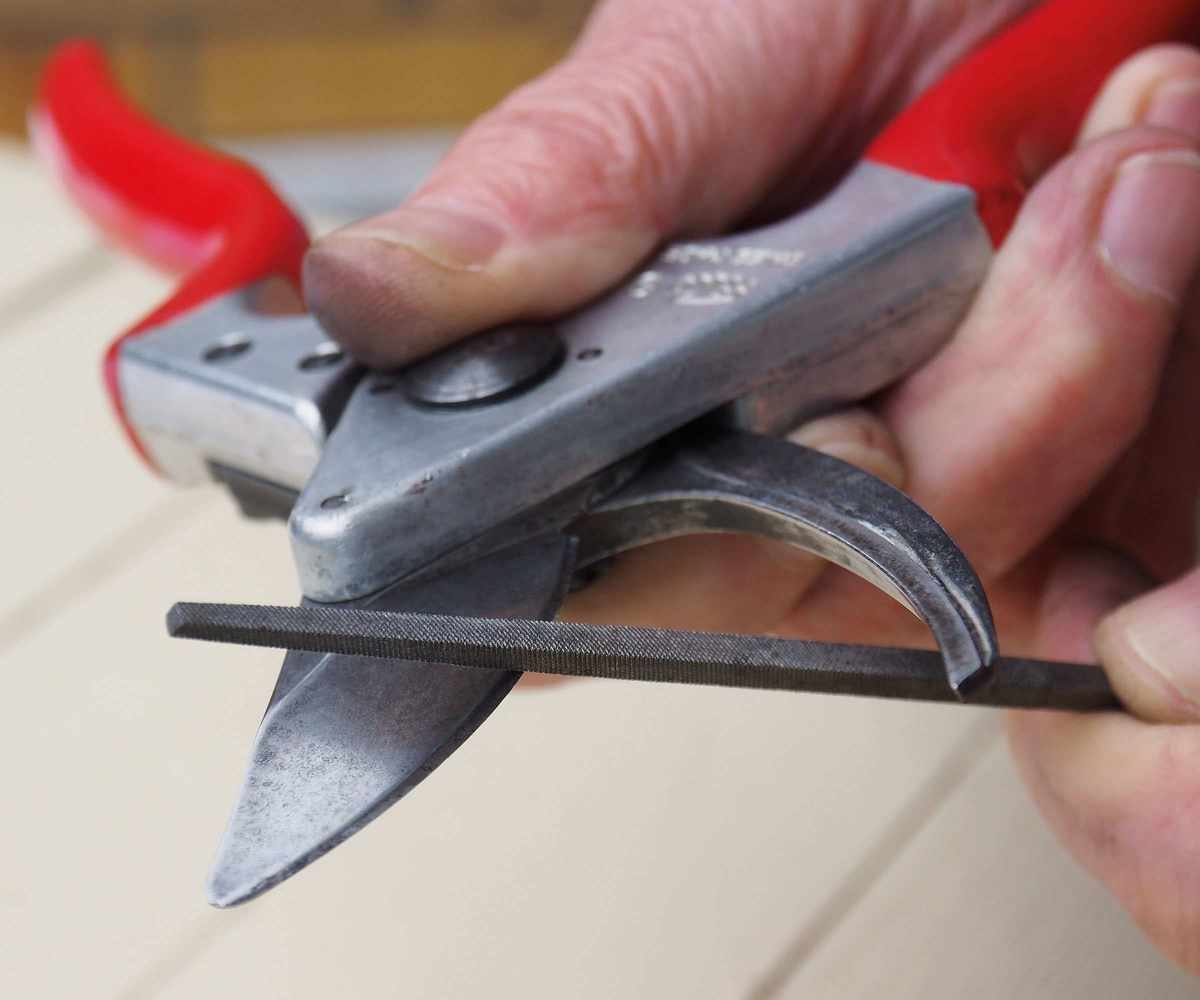
Sharpen and clean tools before winter storage
In regions with harsh winters, there's little gardening before spring, so take this time to clean your tools, sharpen shears, and oil any necessary equipment before storing.
Quality tools are an investment; it's better to spend more upfront on essential tools like pruners and forks than to replace cheaper options repeatedly.
5. Insulate Container Plants
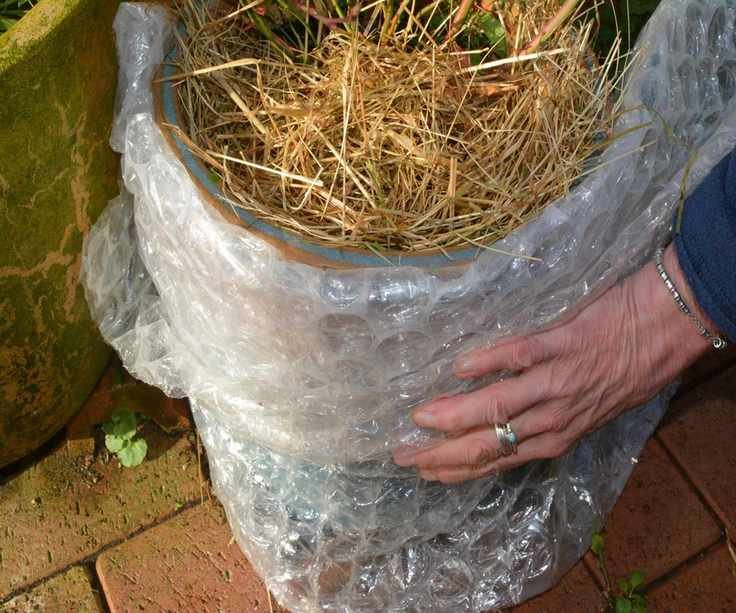
Insulate containers with bubble wrap and straw
Potted plants are more vulnerable to frost than those in the ground. To help your winter containers survive:
Relocate pots against walls or cluster them together for a warmer microclimate. Add straw on top of the compost and wrap pots in fleece or bubble wrap from Walmart. For rainy areas, lay pots on their side to prevent waterlogging.
6. Care for Border Plants
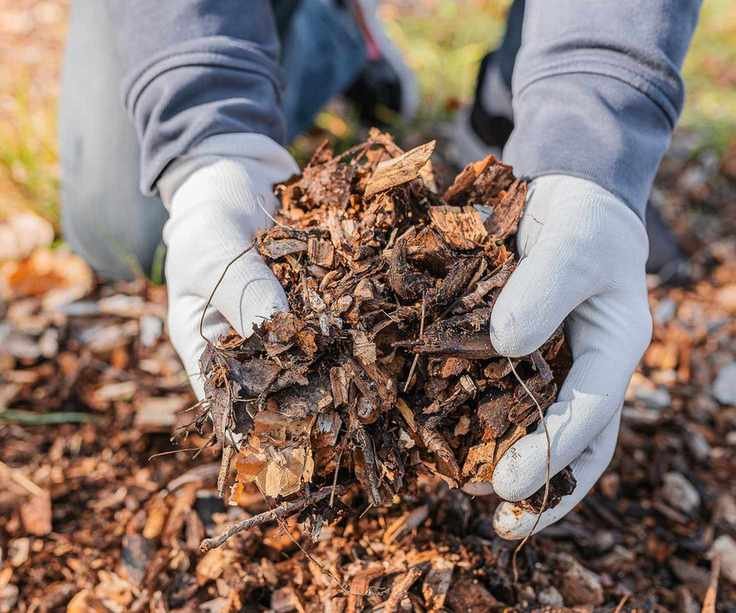
Mulch with organic material to protect plants
Hardy ground plants usually handle winter better than potted ones. To ensure perennial survival:
Mulch root zones with well-rotted manure, homemade compost, or bark chips to insulate and nourish the soil.
Store tender varieties in a frost-free location or a cool room indoors, avoiding warm conservatories to allow for necessary dormancy.
Consider taking cuttings of favorite plants to ensure you can propagate them in spring.
7. Protect Trees and Shrubs
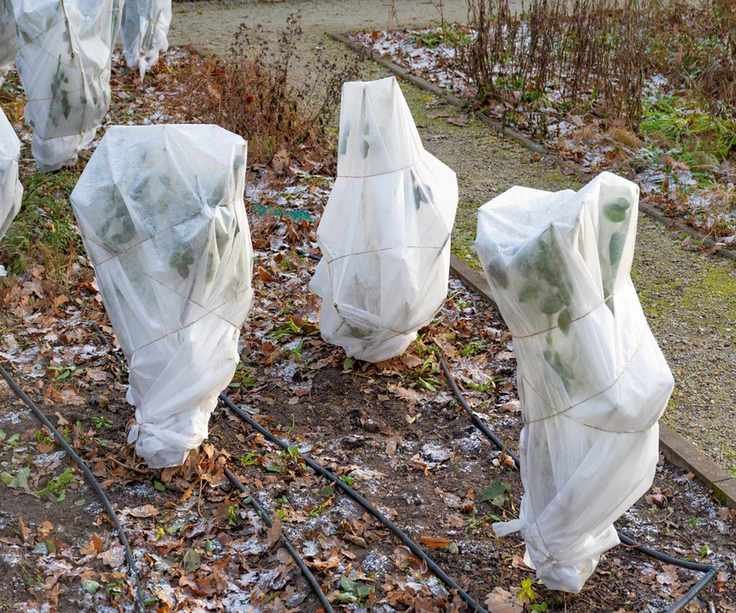
Wrap young trees and shrubs in frost blankets
Most trees and shrubs are winter-hardy, except young or delicate varieties. Protect them with fleece bags or reusable blankets from Amazon.
Wrap tender species with a wire cage filled with straw and then fleece or bubble wrap for added insulation.
Mulch around roots with bark chips or well-rotted organic matter. Avoid pruning during freezing weather, as this can lead to damage.
8. Clear Heavy Items from Your Yard

Move heavy items off grass to prevent damage
Removing heavy items like patio furniture and flower pots can prevent sunken spots in your yard during wet or freezing weather.
If storage space is tight, consider utilizing a greenhouse during winter. If items are too heavy, use a forklift from Amazon.
9. Prepare Your Pond for Winter

Keep your pond healthy through winter
Ponds require maintenance for a healthy winter. Start by removing decaying vegetation to prevent toxins from contaminating the water.
If you have fish, reduce feeding as they become less active. Only use winter-specific food, like floating pellets from Microbe-Lift.
Keep the water pump running to prevent freezing. If your pond freezes, avoid breaking the ice; instead, use hot water to melt a hole.
10. Protect Your Lawn

Avoid walking on frosty grass to prevent damage
Winterizing your lawn is crucial, especially as it occupies much of your outdoor space. In milder regions, apply winter fertilizer and mow at the highest setting.
In colder areas, avoid walking on frosted grass to prevent harm and muddy patches. Wait for worm casts to dry before brushing them away.
If your lawn tends to waterlog, aerate it when conditions are drier. This improves drainage and ventilation, preparing it for spring growth.
'Mulching leaves into the lawn is better than raking them up unless you're composting,' advises Larry.
11. Prevent Deer Damage
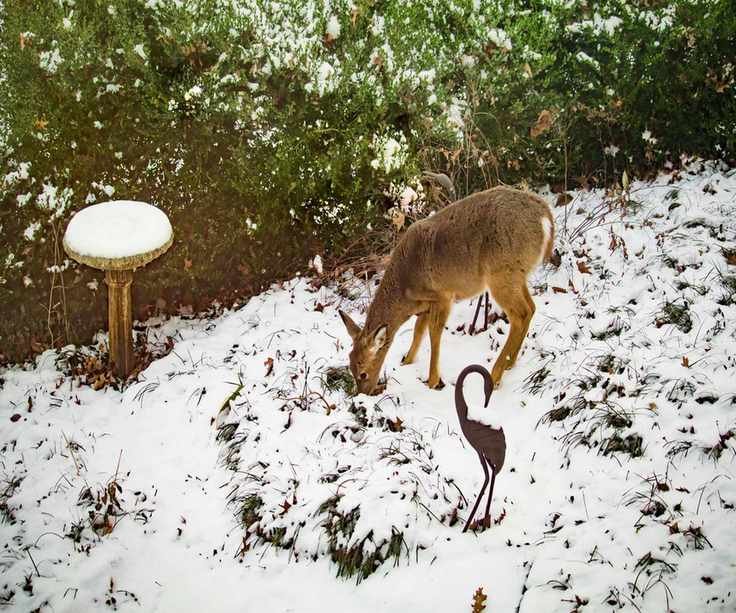
Deer may become a nuisance during winter
As food gets scarce, deer may intrude into gardens. To deter them, consider hanging wind chimes or using motion-activated sprinklers.
Motion-activated lights can be effective, but may trigger at night. Also, try eco-friendly deterrents like Deer Out available on Amazon.
Deer-proof netting and planting deer-resistant species like Russian sage can help as well.
12. Care for Wildlife
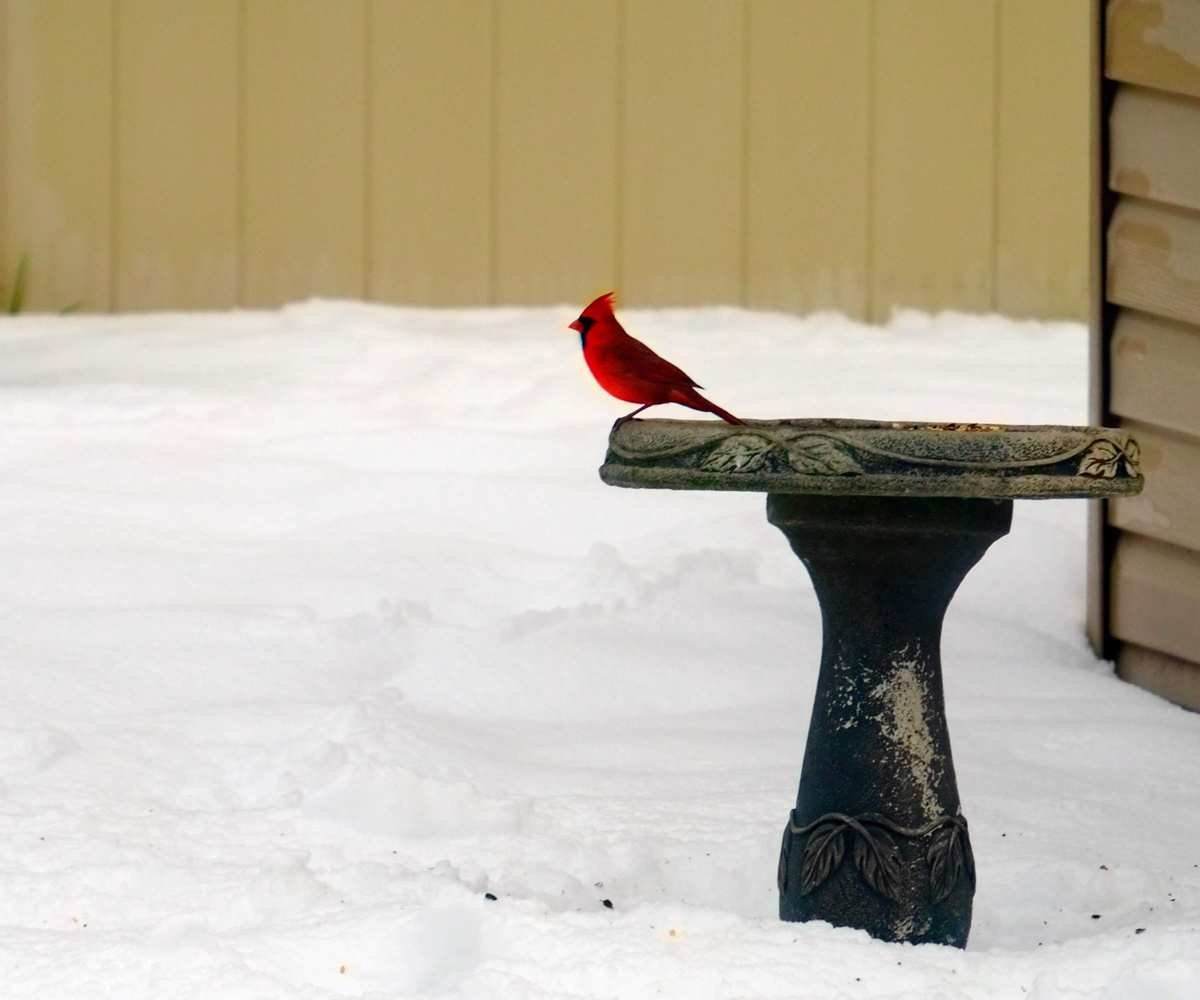
Maintain your wildlife garden during winter
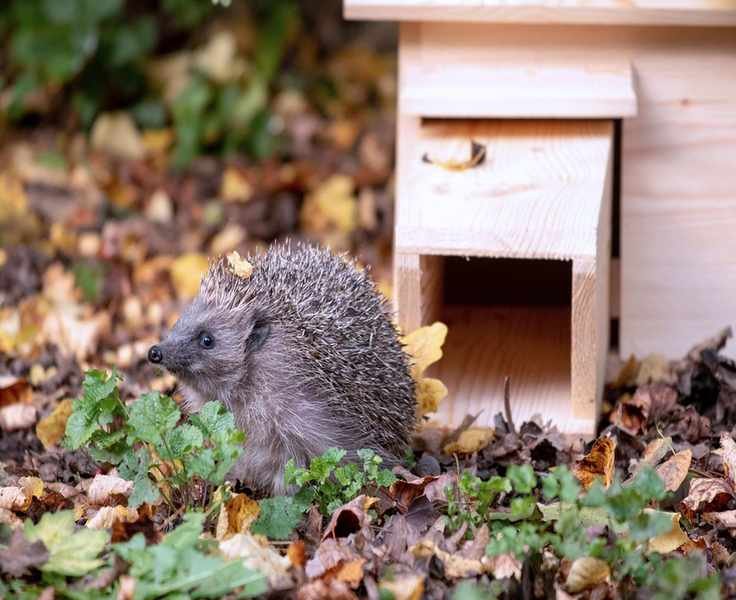
If your garden is a haven for wildlife, continue to support it through winter. You can feed wildlife and ensure they have shelter.
Put out food for garden birds and take measures to prevent bird baths from freezing. Additionally, consider providing bird boxes, like this one from Walmart, and leave piles of leaves for shelter.
13. Reflect on Your Gardening Season

Use winter to plan your spring garden
Winter is not just for tidying; it's also a perfect time to reflect on your gardening successes and challenges. Take notes on what worked and what to change for spring.
'This is the ideal time to document your experiences,' says Ren Elizabeth. 'With the growing season fresh in your mind, it's easier to plan ahead.'
Use a garden journal from Amazon to reflect on your year and set goals for the next growing season.
Consider what you want to achieve and the steps necessary to make it happen, including preparing a seed sowing schedule and acquiring seeds.
This is also a great time to think about a kitchen garden or cut flower garden.

Ren manages a 5-acre homestead with gardens and goats, advocating for regenerative gardening as a solution to climate challenges. She shares sustainable growing methods on her blog.
FAQs
Is winterizing a lawn mower necessary?
Yes, winterizing your lawn mower after the final mow is a smart choice. This ensures it's clean and ready for the next growing season.
While most perennials should be cut back in the fall, leave those with structural seed heads intact for birds and beauty when frosted.