
If you've been feeling out of sorts after the holiday season, you're certainly not alone. Many experience the same issues as their routines shift, causing the body to struggle with the aftermath. This often leads to persistent low-grade inflammation, leaving us feeling unsettled as the new year begins. That's why we're here to share simple, effective strategies for calming inflammation and regaining your sense of balance.
Featured image from our interview with Radhi Devlukia-Shetty by Michelle Nash.
Understanding Inflammation
Inflammation often gets a bad rap. While chronic inflammation can be harmful, it's important to recognize that inflammation is your body's natural repair mechanism. It's what helps heal injuries or responds to illness. The issue arises when inflammation becomes persistent, transitioning from a protective response to a chronic condition like leaky gut.
Foods That Combat Inflammation
Through personal experience and my work, I've discovered that reducing inflammation is more about nourishment than deprivation. It's better to focus on what to add to your diet rather than what to take away. In both my kitchen and with clients, I emphasize filling plates with foods that inherently support health:
- Cooked leafy greens
- Seasonal produce like beets, carrots, and squash
- Berries
- Fatty fish
- Olives
- Avocado
- Nuts and seeds
- Fermented foods such as yogurt or kimchi
- Spices like turmeric, ginger, garlic, and cinnamon
The aim is to consistently choose foods that promote calmness. Consistency is key.
8 Delicious Recipes for Anti-Inflammatory Living
Here are some vibrant and satisfying recipes that make managing inflammation feel delightful and nourishing, perfect for busy days:
- Kale and citrus salad
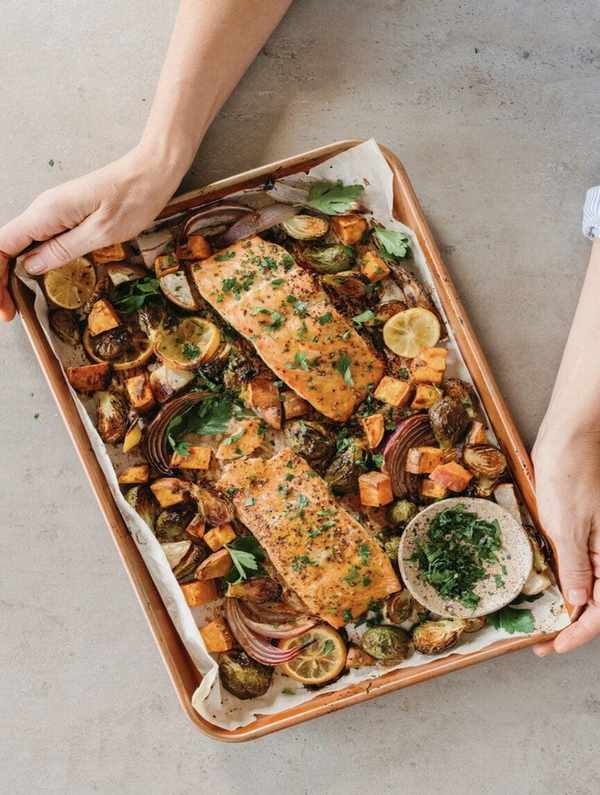
- Baked salmon paired with roasted vegetables
- Pumpkin overnight oats
- Coconut curry soup
- Fig and tahini smoothie
- Green goddess pasta
- Berry yogurt parfait
- Turmeric chicken soup
The Link Between Stress and Inflammation
Even if you consume the healthiest foods, persistent stress can maintain inflammation in the body. To effectively manage inflammation, it's crucial to incorporate relaxation techniques. For instance, I take a moment to breathe slowly before meals and enjoy quiet moments. These small habits signal safety to the body, enabling it to transition away from stress.
Gentle Movement for Better Circulation
Incorporating gentle movement has been essential for my journey in managing inflammation. Regular, light exercise enhances circulation, supports lymphatic function, and helps eliminate metabolic waste. I believe effective workouts don't need to be intense. Simple activities like walking, easy yoga, or dancing in the kitchen can make a significant difference. When I feel inflamed, I focus on gentler movements instead of pushing harder.
Prioritize Sleep and Hydration
In my experience, sleep and hydration are often overlooked yet vital in managing inflammation. Poor sleep increases stress hormones, leading to more inflammation. I've seen dramatic improvements in clients' well-being simply by ensuring they get 7–9 hours of quality rest. Staying hydrated is equally important; water helps eliminate daily toxins from environmental exposure. I always keep a water bottle handy, often adding electrolytes for extra hydration benefits.
Simple Daily Habits
Managing inflammation doesn't require extensive changes. Small, consistent habits can make a big impact! Personally, I aim for safer personal care products, filtered water, and choosing non-toxic cleaners. When working with clients, I suggest practical adjustments: increasing whole food intake, regular movement, prioritizing sleep (this AG1 sleep support has been a game changer), and manageable stress relief practices. While these habits may not seem flashy, they consistently lead to improved well-being.