
You've likely heard the saying, “You are what you eat.” In essence, your well-being is tied to your diet. Though simple, this principle is vital for overall health. The right foods can energize you, restore balance, and enhance your mental state. When it comes to mental wellness, your dietary choices significantly impact your mood.
Eastern traditions have long acknowledged food as a path to health, and now modern science agrees. Studies indicate a direct link between your diet and various well-being factors, especially brain function and mood. In short, you can choose foods that uplift your spirits.
The Impact of Food on Your Mood
Your brain consumes over 20% of your body's energy reserves. Despite its small size, it demands plenty of fuel for focus and equilibrium. Food is indeed fuel, and a colorful diet is essential for mental wellness.
What you consume doesn't just affect your physical health; it also influences your emotional state. Our bodies need nutrients like iron and tryptophan—found in oats, dairy, and bananas—to produce serotonin, the mood-regulating neurotransmitter. Essential fatty substances like myelin, which insulate brain cells, require vitamin B12-rich foods such as seafood, beef, and dairy. By incorporating nutrient-rich items, you can enhance your mood, sharpen your focus, and promote brain health.
Always check with a healthcare professional before altering your diet.
The Gut-Brain Connection
Mood and digestive health are intertwined, thanks to the gut-brain axis—the biochemical communication between your digestive and central nervous systems. This interaction, facilitated by the vagus nerve, is crucial for mental health.
A balanced gut microbiome fosters serotonin production (about 90% originates in the gut), whereas an imbalance can lead to inflammation and mood disorders like anxiety and depression. Supporting your gut with whole foods and probiotics can benefit your mind, too.
Maintaining Steady Blood Sugar for a Stable Mood
Just as the gut and brain are connected, so are blood sugar levels and mood. Fluctuating blood sugar can lead to irritability, fatigue, and diminished focus. Ever found yourself reaching for comfort foods after a breakup? You're not alone.
However, can indulging in comfort foods lead to depression? Emerging research offers some insight.
A small study from Deakin University's Food and Mood Centre suggested that dietary adjustments can positively affect depression levels. Additionally, various studies link diets high in refined sugars to poor brain function and worsening mood disorders.
Incorporating balanced meals with protein, fiber, and healthy fats can help maintain steady blood sugar and mood throughout the day.
12 Foods to Elevate Your Mood
Incorporating colorful fruits, nuts, healthy fats, and sustainably sourced proteins into your diet can significantly support mental health. These foods combat brain inflammation while providing crucial nutrients that stabilize mood and energy. The best part? They're readily available and delicious.
1. Bananas
Rich in tryptophan, bananas help your body create serotonin, enhancing mood and relaxation. They're also loaded with vitamin B6, which aids in producing mood-enhancing neurotransmitters like dopamine.
Try: A blood-sugar balancing Chocolate Banana Almond Butter Smoothie.
2. Beans
Beans are fiber-rich and packed with folate, potassium, magnesium, and iron. Fiber stabilizes blood sugar, promoting a consistent mood. Their complex carbohydrates provide steady brain fuel.
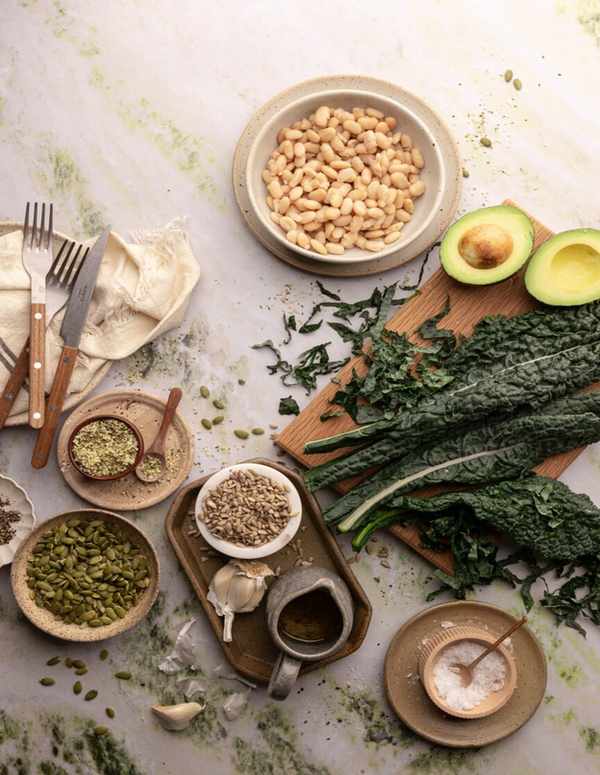
Try: This Kale & White Bean Salad alongside Roasted Tomato and White Bean Soup for a feel-good meal.


3. Berries
Berries, rich in anthocyanins, enhance brain function and lower inflammation. They’re high in antioxidants that support the nervous system and may even mimic some mood-stabilizing medications—nature's sweetest solution.
Try: These Raspberry Chocolate Chunk Cookies for a delightful treat.
4. Dark Chocolate
Chocolate enthusiasts will be happy to know that dark chocolate is rich in polyphenols and resveratrol, antioxidants that elevate serotonin and endorphin levels. These chemicals alleviate stress and lift mood, while flavonoids boost memory and concentration.
Try: Keep Dark Chocolate Bark with Bee Pollen, Rose Petals, and Pink Salt handy for a post-meal indulgence.
5. Grass-Fed Beef
High-quality protein is vital for neurotransmitter production. Grass-fed beef is especially rich in omega-3 fatty acids, associated with lower depression rates and enhanced brain function.
Try: A Farmers Market Steak Salad that hits all the right flavors.
6. Kimchi and Other Fermented Foods
Fermented items like kimchi, kefir, miso, and kombucha are full of probiotics that nurture gut health. Since the gut generates many neurotransmitters, a healthy gut can directly enhance mental wellness.
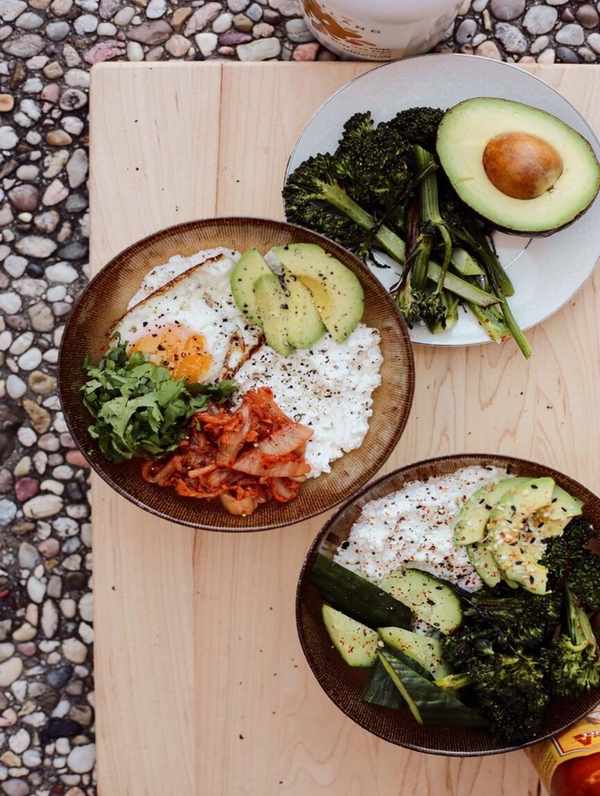
Try: This Savory Cottage Cheese Bowl—a vibrant dish.
7. Leafy Greens
Vegetables like spinach, kale, and Swiss chard are packed with vitamins A, C, E, and K, along with minerals that combat inflammation. Research in JAMA Psychiatry links severe depression to brain inflammation, making greens essential for emotional and physical health.
Try: A Mediterranean Kale Salad that’s great for meal prep.
8. Lentils
Lentils and legumes are rich in tryptophan and zinc, critical for mood management. They also offer steady energy and plant-based protein—ideal for maintaining balance throughout the day.
Try: A Lentil Chili that’s comforting and satisfying.
9. Matcha
Matcha is full of L-theanine, an amino acid that boosts dopamine and serotonin levels. It offers calm focus without the coffee crash. Studies also link higher green tea intake to less cognitive decline. A healthier brain reduces the risk of depression.
Try: Crafting a Matcha Latte or a Strawberry Matcha Smoothie at home.
10. Oats
Complex carbohydrates and fiber make oats a slow-releasing superfood, providing steady energy and stable moods. Iron-rich oats prevent blood sugar spikes that can lead to irritability.
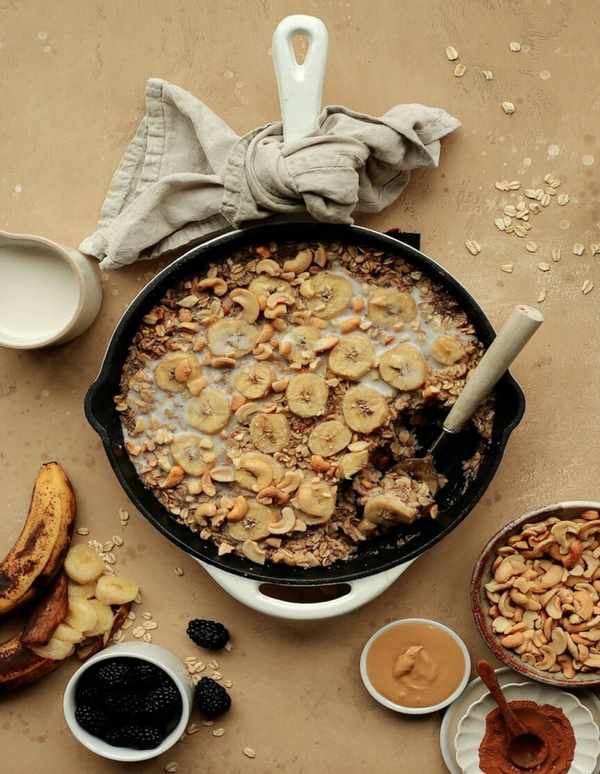
Try: This popular Banana-Cashew Baked Oatmeal.
11. Walnuts and Other Nuts
Nuts are a great source of healthy fats and amino acids that aid serotonin production. A long-term study found that moderate nut consumption is linked to a 23% lower risk of depression—proof that small changes can have a big impact.
Try: This Walnut & Honey Olive Oil Cake—you won’t regret it.
12. Wild-Caught Salmon
Fatty fish like salmon and mackerel are abundant in omega-3 fatty acids, promoting serotonin synthesis and reducing inflammation. Studies show that nations with high fish consumption report lower depression and mood disorders.
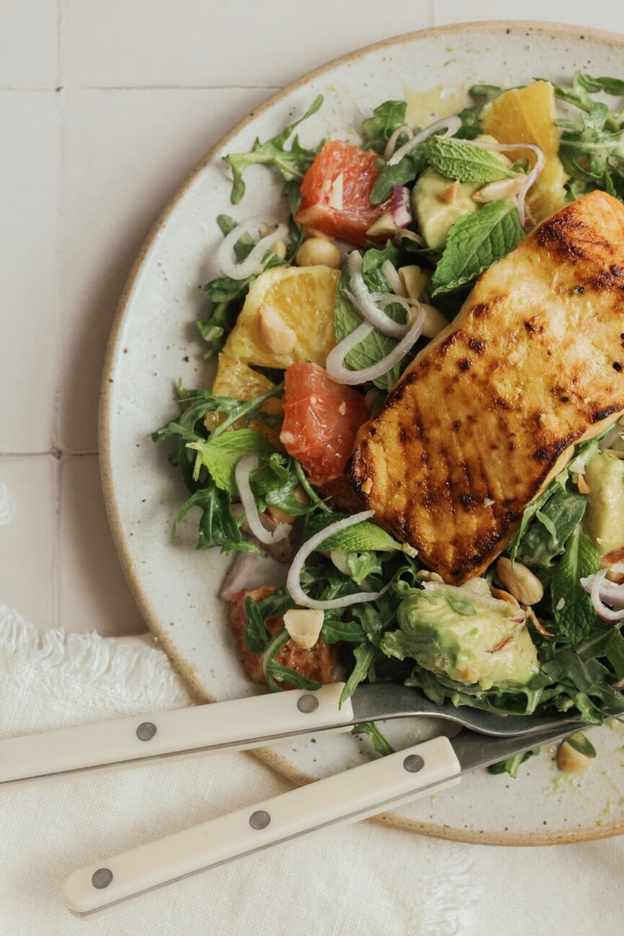
Try: Quick dinners like Hot Honey Salmon With Coconut Crunch or Citrus Salmon Salad With Avocado & Arugula.
Final Thoughts: Nourish Your Mind for Happiness
The relationship between diet and mood is evident: what nourishes your body also uplifts your mind. By prioritizing whole foods rich in omega-3s, B vitamins, and antioxidants, you’re equipping your brain with the necessary nutrients to flourish.
This article was last updated on October 20, 2025, with new insights.
30 Simple Delights to Add to Your June Calendar