
Protein plays a crucial role in our diets, regardless of whether you're an omnivore, vegetarian, or flexitarian. It's fundamental to good health. Adequate protein intake supports various wellness goals, including hormone balance, muscle growth, weight management, and improved sleep. Here are the top 10 protein-rich foods to inspire your meals and encourage more protein in your diet.
Good news! You don't have to choose one side. We'll explore options from both animal and plant sources, welcoming all dietary preferences. Let's prioritize protein!
- Why is protein important?
- How much protein is necessary?
- Will protein make me bulky?
- Is animal protein better than plant-based protein?
- How to achieve protein needs on a plant diet
- Top Protein Sources
Why is protein important?
Protein is not just for bodybuilders; it's a fundamental nutrient. It aids in numerous bodily functions beyond muscle repair and growth. Protein is vital for hormone production, immune function, and transporting nutrients. Plus, it keeps you feeling full, making it essential for weight control and steady blood sugar levels. Ever feel satisfied after a protein-laden meal? That's the effect of protein at work.
How much protein is necessary?
Protein needs aren't universal—they depend on age, gender, body composition, activity level, and health status. Generally, the recommended intake for most healthy adults is about 0.36 grams per pound. For example, a sedentary woman weighing 150 pounds would need approximately 55 grams daily, while a sedentary man at 180 pounds would require around 66 grams. However, many experts argue these figures are too low.
Consider consulting a Registered Dietitian or health coach for tailored protein advice. This guide can help you gauge your daily protein needs for optimal health.
Will protein make me bulky?
One common misconception is that protein leads to excessive muscle gain—particularly among women. The reality is that gaining significant muscle mass involves more than just eating protein and light lifting. Due to biological differences, women find it more challenging to build large muscles. To achieve a muscular physique, one would need to consume many calories and follow a rigorous weight-training routine.

Is animal protein better than plant-based protein?
The answer isn't straightforward. It depends on your dietary goals, preferences, and health needs. Ultimately, focus on your overall eating patterns and choose what aligns with your lifestyle. Consider the following:
Nutritional profile
Animal proteins generally offer complete amino acid profiles, meaning they contain all the essential amino acids required by humans. They're also abundant in nutrients such as vitamin B12, iron, and zinc, which may be less prevalent in plant sources. Thus, if you consume animal products, they can simplify nutrient intake.
Bioavailability
Animal proteins are typically more easily absorbed and utilized by the body due to their high bioavailability. This explains why many top protein foods come from animals. Some plant proteins contain phytates and oxalates, which can hinder nutrient absorption, but proper cooking and food combinations can help.
Health considerations
Research suggests that plant-based diets may enhance heart health as they tend to be lower in saturated fats and cholesterol. Furthermore, plant-based diets usually offer higher levels of dietary fiber, antioxidants, and phytochemicals, all of which contribute to overall health.
Ethical and environmental factors
Many opt for plant-based proteins due to ethical concerns regarding animal welfare and environmental sustainability. Generally, plant-based diets leave a smaller ecological footprint.

How to achieve protein needs on a plant-based diet
Meeting your protein requirements on a plant-based diet is entirely feasible! Diverse plant foods can supply all essential amino acids. Aim to incorporate 30 different plant foods weekly, from fruits to legumes. Here are top plant-based protein sources:
- Legumes: Lentils, chickpeas, and black beans are rich in protein. If digestion is an issue, soak them.
- Tofu and tempeh: These soy products offer complete proteins. Choose organic options when available.
- Seitan: Also known as wheat meat, this high-protein substitute is made from gluten.
- Nuts and seeds: Almonds, peanuts, chia, and hemp seeds pack a protein punch.
- Whole grains: Quinoa, bulgur, and farro provide substantial protein.
- Vegetables: Among vegetables, broccoli, spinach, and peas stand out for their protein content.
- Plant-based dairy alternatives: Unsweetened soy or almond milk often have added protein.
- Plant-based protein powders: Options like pea, rice, or hemp protein can enhance smoothies, baked goods, and more.
Top Protein Sources
The best protein sources vary based on individual dietary choices. Keeping diversity in mind, here are the top 10 protein-packed foods known for their rich amino acid profiles and high bioavailability:

1. Eggs
Eggs deliver a complete protein source, containing all nine essential amino acids. They are highly bioavailable and versatile. Eggs also provide vital nutrients like choline (important during pregnancy), B vitamins, and vitamin D. For optimal benefits, choose pasture-raised eggs.
Recipe: Masala Eggs

2. Salmon
Wild-caught salmon boasts an outstanding nutritional profile. It offers complete protein, omega-3 fatty acids, and essential vitamins and minerals like vitamin D, B vitamins, selenium, and iodine, promoting overall health.
Recipe: Hot Honey Glazed Salmon With Coconut Crunch
3. Chicken
Chicken provides lean, high-quality protein with minimal saturated fat. It's adaptable for various recipes and contains vital nutrients such as niacin, phosphorus, and selenium. Opt for organic or pasture-raised options when possible.
Recipe: Sheet Pan Chicken Fajitas
4. Greek Yogurt
Greek yogurt is loaded with protein and probiotics, making it excellent for gut health. It undergoes a straining process, resulting in higher protein content compared to regular yogurt. It's perfect for breakfast, snacks, or dips. Another great dairy option is cottage cheese!
Recipe: Yogurt Toast with Peanut Butter and Banana
5. Quinoa
Quinoa stands out among plant proteins, providing all nine essential amino acids. It's rich in dietary fiber and minerals like magnesium and iron. This gluten-free grain is versatile for salads, stir-fries, and soups.
Recipe: Quinoa Cakes with Smashed Avocado Sauce
6. Tofu
Tofu, made from soybeans, is a complete protein source worth adding to your meals. Its neutral flavor allows for sweet and savory dishes. It also provides iron, calcium, and magnesium, making it ideal for vegetarians and vegans. For a less processed option, consider tempeh. Choose organic/non-GMO options.
Recipe: Spicy Tofu Banh Mí Bowl
7. Beef
Grass-fed beef is a significant source of protein and omega-3 fatty acids. It outperforms grain-fed options in nutrient content, including vitamin B12, iron, and zinc. For those on low-fat diets, consume in moderation due to saturated fat content.
Recipe: Sweet & Spicy Braised Short Ribs
8. Lentils
Lentils rival many animal sources in protein content. They are rich in amino acids and packed with dietary fiber, vitamins, and antioxidants. Use lentils in soups and salads for a convenient protein boost.
Recipe: Vegetarian Coq au Vin
9. Black Beans
Black beans are among the healthiest plant-based protein sources, rich in lysine and packed with dietary fiber, vitamins, and minerals. Add them to soups, stews, salads, and burritos for a nutritious boost.
Recipe: Pita Tostadas with Butternut Squash, Black Beans, & Avocado
10. Chickpeas
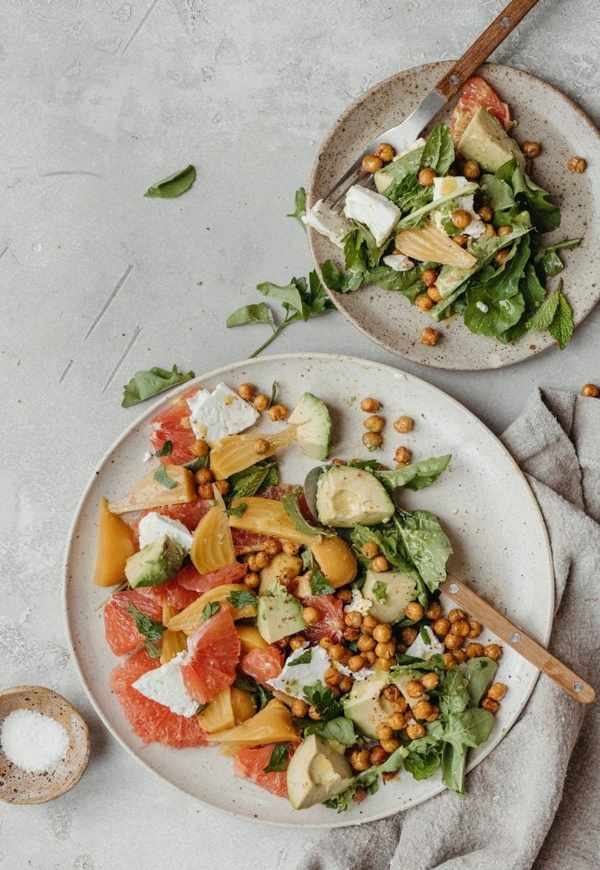
Chickpeas provide a balanced amino acid profile, making them a valuable protein source for vegetarians and vegans. They are also high in dietary fiber, vitamins, and minerals like folate, iron, and magnesium. Use in hummus, curries, or roasted for a nutritious snack.
Recipe: Grapefruit, Avocado, and Golden Beet Salad with Crunchy Chickpeas and Feta
30 Simple Delights to Add to Your June Calendar