
Feeling stuck in a protein shake routine? It's time to explore new avenues with your protein powder. While smoothies are a popular choice, they're just the beginning. This versatile ingredient can enhance everything from savory dips to desserts, making it an easy way to boost nutrition in your meals and snacks. Let's dive into some creative, low-effort recipes that will transform your approach to healthy eating.
- Is protein powder healthy?
- Is protein powder necessary?
- Who should consume protein powder?
- Types of Protein Powder
- Are certain protein powders better for specific recipes?
- 12 Delicious Ways to Use Protein Powders That Aren't Smoothies
- Tips for Cooking and Baking With Protein Powder
Is protein powder healthy?
Protein powder has sparked debate in wellness circles. It can be a beneficial addition to your diet, but its health value varies based on several factors, such as ingredient quality and how it fits into your overall nutrition. Let's explore both sides of the argument.
Reasons Protein Powder is Considered Healthy
- Convenient nutrient source: Protein powders offer a concentrated supply of high-quality protein, crucial for muscle repair, hormone production, and overall health.
- Aids fitness goals: Ideal for athletes or fitness enthusiasts, protein powder promotes muscle recovery and growth when combined with exercise.
- Weight management: Protein can enhance feelings of fullness, potentially aiding in weight control.
- Fills nutrient gaps: From dietary restrictions to higher protein needs, protein powder can help you meet your daily protein requirements.
- Versatile: Easily incorporated into various recipes, it's the ultimate protein-boosting hack.
Reasons Protein Powder Isn't Considered Healthy
- Highly processed: While concentrated, protein powders may lack overall nutrients compared to whole-food sources.
- Additives and contaminants: Some powders may contain artificial sweeteners or harmful additives. Be cautious and check ingredient labels!
- Overconsumption risk: Protein powder can make it easy to consume high amounts of protein, which may lead to excess intake.
- Digestive issues: Some users experience bloating or discomfort from certain protein types.
- Reliance on supplements: Critics argue that protein powder can detract from a balanced diet.
- Regulatory concerns: The supplement industry has less oversight than food, raising quality control issues.
- Possible interactions: Protein powders may interfere with medications or nutrient absorption.

Is protein powder necessary?
If you eat a variety of minimally processed foods, protein powder isn't strictly necessary. Whole food proteins—think lean meats, fish, eggs, beans, nuts, and seeds—should be your primary nutrition source. They provide a broader range of nutrients, including fiber. However, for those with increased protein needs or seeking convenience, protein powder can be an excellent supplement. In summary, while protein powder can be useful, it should complement a balanced diet.
Find out how much protein is optimal for your daily needs.
Who should consume protein powder?
Protein powder benefits various groups, particularly those aiming to build muscle, manage weight, or address nutritional gaps. Who can gain the most from this supplement?
- Strength trainers and bodybuilders
- Have high protein demands for muscle recovery and growth.
- Often consume protein powder for pre- and post-workout nutrition.
- May prefer fast-absorbing proteins, like whey, for quick recovery.
- Endurance athletes
- Need protein for muscle repair and recovery.
- Can supplement higher caloric needs with protein powder.
- May seek easy-to-digest options that minimize gastrointestinal distress.
- Breastfeeding mothers
- Require extra protein to support milk production.
- Can benefit from convenient, nutrient-dense protein sources.
- Vegetarians and vegans
- May find it challenging to meet protein needs through diet alone.
- Can utilize plant-based protein powders for added intake.
- Benefit from complete protein combinations like pea-rice blends.
- Older adults (especially postmenopausal women)
- Often require increased protein to maintain muscle mass.
- May prefer easily digestible protein sources.
- Can use protein powder to help combat age-related muscle loss (sarcopenia).
- Individuals recovering from injuries or surgery
- Have higher protein requirements for tissue repair and healing.
- Can supplement their diet with protein powder when appetite is low.
- May benefit from collagen protein for joint support.
- People on a fat loss journey
- Can use protein powder for satiety and muscle preservation.
- May appreciate low-calorie, high-protein options for convenience.
- Can create nutrient-dense meal replacements with protein powder.
- Busy professionals, students, and adolescents
- Can rely on protein powder for quick meals or snacks.
- Enjoy the convenience and portability of protein supplements.
- May use protein powder to sustain energy throughout the day.
Consult a healthcare provider or Registered Dietitian before adding protein powder to your diet, especially if you have health concerns.

Types of Protein Powder
Before diving into recipes, let's review the most common protein powder types.
- Whey protein: A fast-absorbing protein from milk, ideal for post-workout recovery.
- Casein protein: Also from milk, but absorbs slowly, offering sustained protein release.
- Plant-based proteins: Options like pea, hemp, and non-GMO soy are fantastic for vegans and those avoiding dairy.
- Collagen protein: Supports skin, hair, nails, and joint health.
- Egg white protein: A complete, dairy-free protein source that's easy to digest.
Are certain protein powders better for specific recipes?
Absolutely. Different protein powders perform better in various cooking applications.
Whey Protein: Ideal for pancakes, waffles, muffins, and overnight oats, whey lends a fluffy texture and works well in fruit-forward smoothies.
Casein Protein: Perfect for puddings, mug cakes, cheesecakes, and no-bake recipes—like energy bites—due to its thickening properties.
Plant Protein: Versatile for baking and no-bake dishes, but adjustments to liquid ratios may be needed.
Collagen Peptides: Easily dissolves, making it great for drinks and soups.
When choosing a protein powder, consider flavor and texture. Some have stronger tastes than others. If unsure, opt for an unflavored protein powder.
12 Unique Ways to Use Protein Powders That Aren't Smoothies
Ready to expand your protein powder usage? Here are 12 inventive ways to incorporate it into your meals, from energizing breakfasts to delightful desserts.
1. Pumpkin Protein Pancakes
Discover the best protein pancakes that feel indulgent without the sugar crash. Just add a scoop of your preferred vanilla protein powder for an extra 10-20 grams of protein!
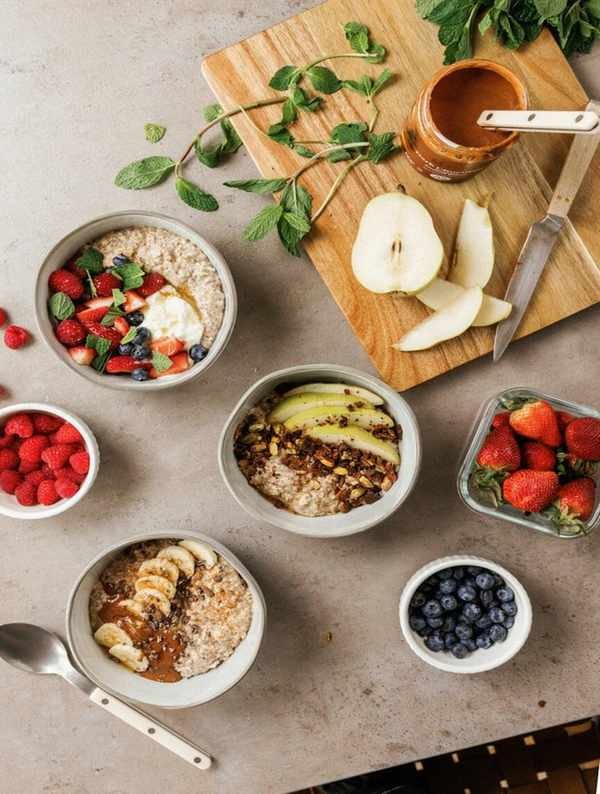
2. Grain-Free Overnight Oatmeal
This oatmeal is loaded with nuts and seeds for protein and healthy fats. Mix in a scoop of plant-based chocolate protein powder for a delicious, nutritious breakfast.
3. Salted Caramel Cheesecake Brownies
Who says desserts can't be protein-rich? Indulge in these sweet and salty brownies. To increase protein, replace 1/4 cup of flour with 1/4 cup of chocolate protein powder.
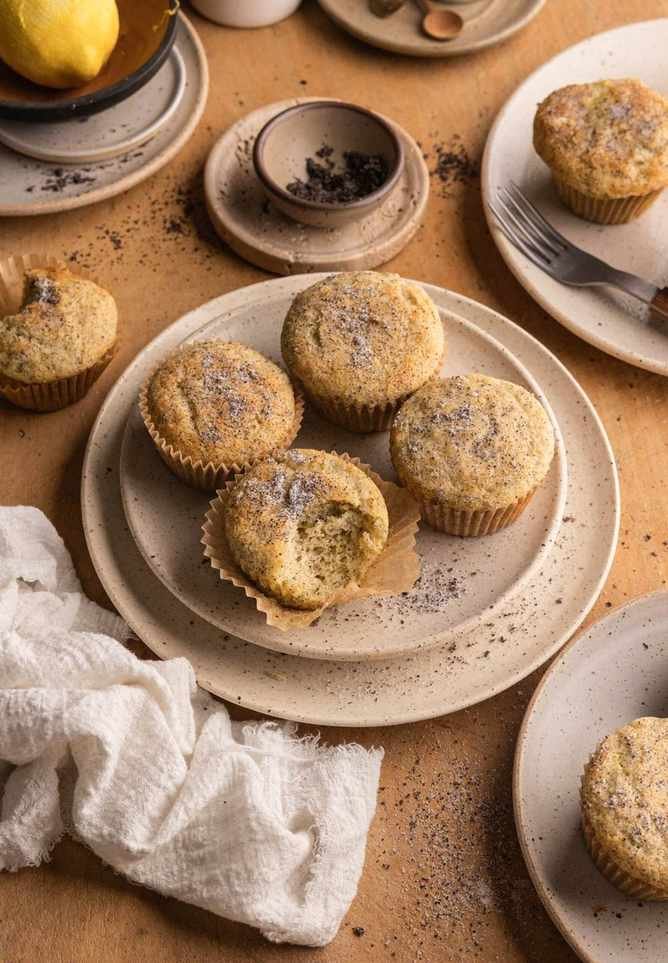
4. One Bowl Morning Glory Muffins
Short on time? Crumble a morning glory muffin over Greek yogurt with almond butter. Add three tablespoons of unflavored collagen peptides to the batter before baking.
5. Greek Yogurt Bowl
Boost your breakfast by adding a scoop of protein powder (vanilla, strawberry, chocolate, etc.) to plain Greek yogurt. This enhances flavor, texture, and satiety. Mix well and add a splash of milk if needed. Top with nuts, seeds, and fruit.
6. Grain-Free Granola
Yes, you can add protein powder to granola! Use a complementary flavor protein powder like vanilla or chocolate. Mix it with dry ingredients, but be aware it might require more wet ingredients (like honey or nut butter) to maintain moisture.
7. Homemade Ice Cream
Mix your favorite homemade ice cream flavor (we love this golden milk latte) with your chosen protein powder and wet ingredients. Follow the rest of your ice cream recipe as usual!
8. Adaptogenic Hot Chocolate
How about protein-packed hot chocolate? Just add a scoop of chocolate collagen peptides to this superfood hot chocolate for a nourishing afternoon treat.
9. Curry Butternut Squash Soup
Cozy and flavorful, enhance this curry butternut squash soup by blending in a scoop or two of unflavored plant protein. Once blended, you won't even notice it!
10. Sausage Burrata Pizza
For a protein boost, substitute 1/4 cup of flour in your pizza dough with 1/4 cup of pea protein powder. This adds protein without compromising the flavor of your homemade crust!
11. Vanilla Chia Pudding
Add protein powder to chia pudding for extra nutrition. Blend your protein of choice with chia seeds, milk, and a touch of maple syrup. Refrigerate overnight for a creamy, protein-rich dessert.
12. Protein Coffee
Coffee lovers, rejoice! If you haven't tried protein coffee yet, you're missing out. For a warm or iced drink, add a scoop of unflavored collagen peptides, chocolate whey for a mocha twist, or vanilla plant protein to your brew. Use a frother to mix or blend cold brew with milk and protein for a refreshing boost.
Tips for Cooking and Baking With Protein Powder
Unsure about using protein powder in your recipes? Here's how to incorporate it smoothly:
- Start by replacing 1/4 of the flour in a recipe with protein powder.
- Slightly increase liquid to compensate for the protein powder's absorbency (1-2 tablespoons at a time).
- Utilize a whisk or sifter to prevent clumping.
- Reduce baking time and temperature by 3-5 minutes to avoid drying.
- Experiment with flavors: vanilla protein enhances sweets, while unflavored suits savory dishes.
Don't hesitate to experiment! Create your own protein-rich culinary masterpieces.


